Ajman may be the smallest emirate in the United Arab Emirates, yet it offers a rich cultural experience for travellers seeking authenticity. Beyond its peaceful coastline and relaxed lifestyle, exploring traditional markets and heritage products is an important part of visiting. Souvenir shopping here is not just about buying items, but about discovering stories, traditions, and skills preserved over time. Heritage-based products reflect the local identity and daily life of earlier generations. These handmade items support traditional craft skills while creating a meaningful connection between visitors and the community, making heritage shopping a valuable and memorable part of tourism in Ajman.
Understanding Heritage Souvenirs
Heritage souvenirs are items rooted in cultural traditions and passed down through generations. They are usually handmade or inspired by practices that have existed for many years.
Key Features of Heritage Items
- Reflect local culture and identity
- Often crafted using traditional techniques
- Made from natural or locally sourced materials
- Carry symbolic meanings or historical value
These objects go beyond simple shopping. They create a connection between the past and present, allowing travellers to take home a part of Ajman’s legacy.
Popular Heritage Souvenirs in Ajman
Ajman offers a variety of culturally significant items. Each category represents a different aspect of Emirati life.
Traditional Textiles and Clothing
Textiles are among the most popular heritage products in Ajman, known for their detailed patterns and fine craft skills. These include embroidered fabrics with geometric designs that reflect traditional artistry. Visitors can also find garments such as abayas and kanduras, which represent cultural identity and modest fashion. In addition, scarves and shawls made from high-quality materials are widely available. These items not only showcase elegance but also serve practical purposes in everyday life.
Handmade Pottery and Ceramics
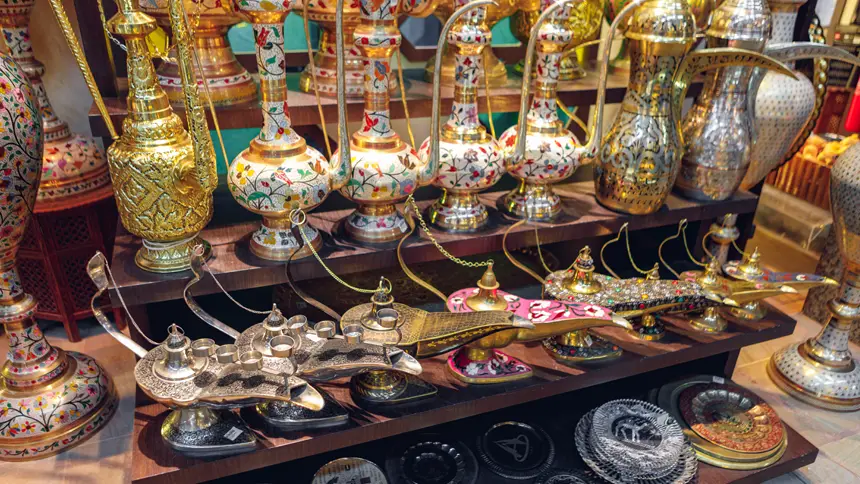
Pottery has been an important part of daily life in the region for many centuries. Today, it continues to be a favoured souvenir choice for visitors. Common items include decorative clay pots and vases that highlight traditional design techniques. Hand-painted ceramic plates add artistic value, while functional items like bowls and containers are also widely used. Each piece is unique, often shaped and painted by hand, making it a meaningful and personal keepsake.
Perfumes and Incense
Fragrance holds a special place in local traditions and social customs. Ajman offers a wide variety of aromatic products that reflect this cultural importance. Oud-based perfumes are especially popular for their rich and long-lasting scents. Bakhoor, a type of incense, is commonly used in homes and during gatherings to create a pleasant atmosphere. Decorative incense burners are also available, combining beauty with function. Together, these items provide a sensory connection to the region’s traditions.
Jewellery and Accessories
Traditional jewellery in Ajman reflects both artistry and cultural values. Gold and silver pieces often feature detailed designs that showcase skilled craft skills. Handmade bracelets and necklaces are commonly chosen as souvenirs due to their uniqueness. Many accessories are inspired by desert traditions and historical influences. These items are more than decorative—they often symbolise identity, heritage, and social customs.
Spices and Local Products
Food-related items are another popular choice among visitors looking for heritage souvenirs. Ajman’s markets offer aromatic spices such as saffron and cardamom, which are essential in traditional cooking. Locally sourced dates, often presented in attractive packaging, are widely purchased as gifts. Traditional sweets and blended products are also available, giving travellers a taste of local flavours. These items allow visitors to carry a part of Ajman’s culinary culture back home.
Where to Shop for Heritage Souvenirs
Ajman offers several places where visitors can explore authentic items.
Key Shopping Spots
- Traditional markets with a wide selection of handmade goods
- Museum gift shops that offer carefully selected cultural products
- Small artisan stores with unique creations
- Cultural festivals and events with temporary stalls
Shopping in these places offers more than just purchases. It provides insight into traditions and craft skills.
Benefits of Heritage-Based Shopping
Choosing heritage souvenirs has many advantages for both travellers and the local community.
Cultural Benefits
Heritage-based shopping plays an important role in preserving traditional crafts and skills that have been passed down through generations. It helps maintain cultural identity by keeping these practices alive. At the same time, it promotes awareness of local history and traditions among visitors. This encourages a deeper understanding and appreciation of the culture, making the travel experience more meaningful.
Economic Benefits
Buying heritage souvenirs supports local artisans and small businesses, providing them with a stable source of income. It also creates job opportunities within the community, especially for skilled craftspeople. In addition, it strengthens the cultural economy by increasing demand for traditional products and encouraging the continuation of these trades.
Personal Value
Heritage souvenirs offer more than just physical items; they provide meaningful and unique keepsakes that carry cultural significance. These products help travellers feel a deeper connection to the destination and its people. Over time, they become lasting memories that remind visitors of their experiences and the stories behind each item.
Tips for Buying Authentic Souvenirs
When shopping for heritage items in Ajman, it is important to ensure authenticity and quality.
Useful Tips
- Look for handmade details rather than factory finishes.
- Ask about the origin and materials used
- Compare prices across different shops
- Support local artisans whenever possible
- Choose items that reflect genuine cultural significance
Being careful while shopping improves the overall experience and ensures value for money.
Challenges
Although heritage-based shopping is meaningful and enjoyable, it comes with certain challenges. One common issue is the availability of imitation products, which can make it difficult for buyers to identify genuine items. Handmade goods are often more expensive due to the time and skill involved, which may not suit every budget. In addition, many tourists have limited awareness of traditional crafts, making it harder to recognise authentic quality construction. Because of these factors, shoppers need to stay informed and make careful decisions to ensure they purchase real and valuable items.
The Future
The future of heritage-based shopping in Ajman appears positive, with growing efforts to preserve traditions while adapting to modern needs. Many artisans are now blending traditional designs with contemporary styles to attract a wider audience. Online platforms are also helping craftspeople reach more customers beyond local markets. There is an increasing focus on eco-friendly materials, which supports sustainability. In addition, government initiatives are promoting cultural tourism and supporting local industries. These developments help ensure that traditional crafts remain relevant and accessible for future generations.
Conclusion
Heritage-based souvenir shopping in Ajman is more than a simple retail activity. It is a cultural experience that allows visitors to connect with the history, traditions, and people of the region. Every item reflects a part of local life, making each purchase meaningful and memorable. By choosing traditional products, travellers play an important role in preserving craft skills that have been passed down through generations. They also contribute to the livelihoods of artisans who depend on these skills for their income. This creates a positive impact that goes beyond tourism and supports cultural sustainability. In addition, these souvenirs serve as lasting reminders of a unique journey. They carry emotions, experiences, and stories that cannot be replaced by mass-produced goods. Each time a visitor looks at or uses these items, it brings back memories of Ajman and its rich heritage.