Ajman, one of the seven emirates of the United Arab Emirates, has built a strong reputation as a cost-effective and accessible commercial hub. While large corporations and industrial zones contribute significantly to its growth, the backbone of its economy lies in small traders and wholesalers. These business groups create a dynamic marketplace that supports employment, supply chains, and community development. Operating through traditional souks, modern retail outlets, and distribution networks, they ensure the steady movement of goods across the emirate. Their influence extends beyond simple buying and selling, shaping economic stability and everyday life.
Who Are Small Traders?
These are individuals or small business owners who sell products directly to customers. They usually operate on a limited scale but maintain a strong presence in local markets. These businesses are commonly found in neighbourhood shops, street markets, small retail outlets, and online selling platforms. They focus on providing everyday items such as food, clothing, electronics, and household goods, making them an important part of daily consumer life.
Who Are Wholesalers?
Wholesalers are businesses that purchase goods in large quantities and supply them to retailers or other sellers. They act as a link between producers and small-scale retailers, ensuring that products are distributed efficiently. Their activities typically include bulk purchasing, storage and warehousing, distribution and transport, and managing supply networks. Together, wholesalers and small traders help move goods smoothly from the source to the final consumer.
Key Economic Contributions
Employment Generation
Retail sellers and supply distributors create a wide range of job opportunities. These jobs support people from different backgrounds and skill levels.
Examples
- Shop assistants
- Delivery workers
- Warehouse staff
- Sales personnel
- Administrative support roles
This helps reduce unemployment and supports economic stability.
Strengthening Supply Chains
These businesses play a crucial role in maintaining smooth supply systems.
- Wholesalers ensure goods are stocked in large quantities.
- Traders provide easy access to customers
- Products reach even smaller areas quickly.
This system prevents shortages and keeps markets functioning efficiently.
Boosting Local Commerce
Active Market Environment
The continuous exchange of goods and services plays a key role in keeping Ajman’s markets active and vibrant. Regular buying and selling increase the flow of money within the economy, while competitive pricing helps attract more customers. In addition, the availability of a wide variety of products enhances customer satisfaction. Altogether, this steady level of activity contributes to overall economic growth and stability.
Encouraging Entrepreneurship
Small-scale trading provides an accessible starting point for many aspiring entrepreneurs. With low investment requirements and flexible working conditions, individuals can begin their business journey with fewer barriers. It also allows room for gradual expansion as the business grows over time. This environment encourages more people to start their own ventures and actively participate in economic activities.
Role in Price Stability
Small traders and wholesalers play an important role in maintaining fair pricing across markets. By purchasing goods in bulk, wholesalers are able to reduce overall costs, which helps keep prices reasonable for consumers. At the same time, competition among multiple sellers prevents overpricing and encourages better deals. With many options available, customers can choose products that suit their needs and budgets, ensuring access to goods at affordable rates.
Contribution to Import and Distribution
Ajman relies heavily on imports for a wide range of goods, and wholesalers are central to this process. They bring in products from global markets, store them in warehouses, and distribute them to retailers across the region. Small-scale retailers then make these items easily available to the public through local shops and markets. This system ensures that essential goods are consistently accessible to consumers without disruption.
Supporting Traditional and Modern Markets
Traditional Markets
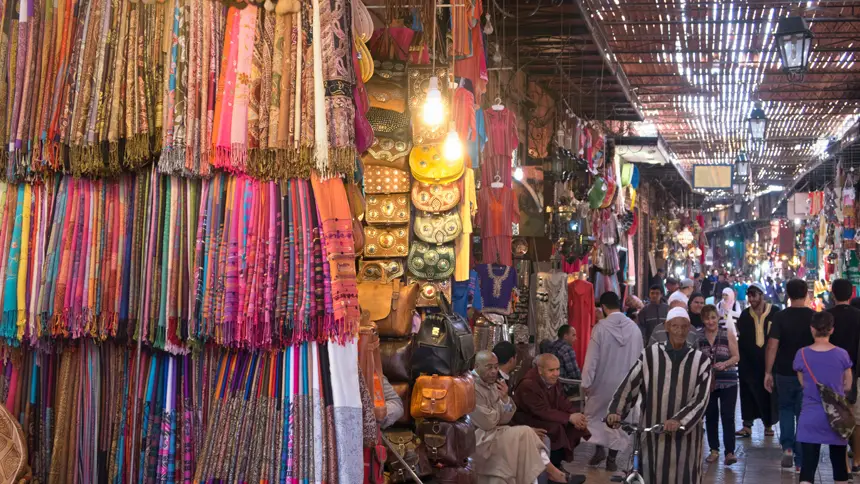
Traditional markets remain an important part of Ajman’s culture and economy.
- Sale of fresh produce and handmade goods
- Preservation of cultural trading practices
- Attraction for both residents and visitors
Small traders dominate these markets, keeping heritage alive.
Modern Retail Systems
At the same time, trading has adapted to modern methods.
- Use of digital tools for inventory
- Online selling platforms
- Improved logistics systems
This combination of traditional and modern approaches strengthens overall market efficiency.
Enhancing Community Development
Small-scale retailers and wholesalers are closely connected to local communities and play an important role in everyday life. They provide goods within easy reach, making shopping convenient for residents. Over time, they build trust with regular customers and contribute to neighborhood-level economic activity. Their presence not only ensures accessibility to essential items but also strengthens social connections within the community.
Contribution to Government Revenue
These businesses contribute to public income in several ways. They pay for business licences, import duties, and various taxes, while also covering rental and operational expenses. Although each business operates on a small scale, their combined financial contribution is significant and supports the development of infrastructure and public services.
Flexibility and Market Adaptation
One of the key strengths of small traders and wholesalers is their ability to adapt quickly to changing market conditions. They adjust their product offerings based on customer demand, respond effectively to supply challenges, and introduce new items according to current trends. This flexibility helps maintain economic stability, even during uncertain periods.
Challenges Faced
Despite their importance, these businesses face several challenges that can affect their growth and sustainability. Competition from large retail chains, rising rental costs, and supply disruptions are common concerns. In addition, limited access to financial support and the need to meet regulatory requirements can create difficulties. Addressing these issues is essential for their long-term success.
Opportunities for Growth
Ajman offers various opportunities for small-scale retailers and wholesalers to expand and improve their operations. They can explore e-commerce platforms to reach a wider audience, engage in trade across different regions of the UAE, and collaborate with logistics providers for better distribution. The adoption of digital payment systems also enhances efficiency and customer convenience, leading to increased profitability.
Government Support and Policies
The government plays a supportive role in encouraging business activities by providing easy licencing procedures and affordable setup options. Continued investment in infrastructure and business-friendly policies further helps traders and wholesalers operate smoothly. These initiatives create a positive environment for growth and sustainability.
Future Outlook
The future of Ajman’s economy remains closely tied to the success of retail sellers and supply distributors. A growing population will increase demand for goods, while advancements in technology will improve business operations. Expanding trade connections will also open new opportunities. With ongoing support and adaptation, these sectors are expected to remain strong and continue contributing to economic development.
Conclusion
Small traders and wholesalers form the foundation of Ajman’s economic structure. They ensure a smooth flow of goods, create employment, and support both traditional and modern commerce. Their role goes beyond business transactions, influencing community life and economic stability. By adapting to new technologies and overcoming challenges, they can continue to grow and contribute to the emirate’s progress. Supporting these sectors is essential for maintaining a balanced and inclusive economy.