Dubai is known around the world for its tall skyscrapers, luxury malls, and modern lifestyle. The city shines with innovation and progress, but beyond this busy life, there are quiet places that hold the charm of the past. Just a short drive away from the city, visitors can find beautiful heritage villages that show how people in the UAE lived long ago. These places are full of history, traditional houses, and stories from the old days. They remind us of the country’s rich culture and simple way of life before modern development began. Exploring these villages gives people a chance to see the real roots of the UAE, where traditions, crafts, and values are still alive. It also helps us understand how the past and present come together to make Dubai and its surroundings truly special.
The Charm of Heritage Villages
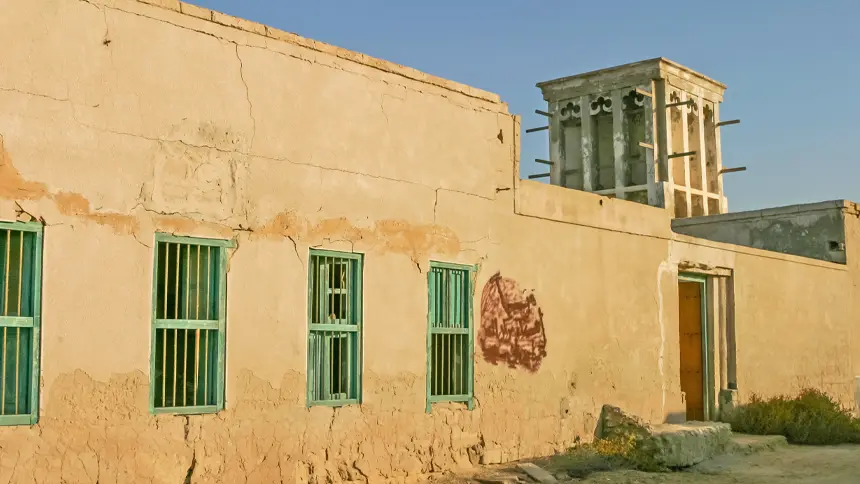
A heritage village is a special place that keeps the history and culture of a country alive. It is like a living museum where people can see how families lived many years ago. In the UAE, these villages are built to protect old traditions, houses, and skills that show the lifestyle of earlier generations. They help visitors understand how Emiratis survived in the desert, farmed, and traded before the rise of big cities.
These heritage sites are very important because they connect people to their roots and teach younger generations to value their culture. Many of them display traditional homes made of palm leaves, mud, and coral stones. Visitors can walk through narrow lanes, see ancient tools, and watch artisans making pottery, weaving fabrics, or crafting jewelry by hand. Emirati food such as harees, luqaimat, and fresh Arabic coffee are often served, giving visitors a real taste of local life.
These places also host cultural events, music, and dance shows, especially during festivals like National Day. The calm environment and beautiful desert scenery make the experience even more special. For tourists and residents alike, visiting these villages is like traveling back in time to see the UAE’s true spirit: a mix of hard work, creativity, and pride in heritage. Heritage villages are not just attractions; they are treasures that keep the nation’s history and values alive for the future.
Famous Hidden Villages Near Dubai
Hatta Heritage Village
Hatta Heritage Village is about 130 kilometers from Dubai and is surrounded by the beautiful Hajar Mountains. It is one of the oldest villages in the region, carefully restored to show traditional Emirati life. Visitors can see stone houses, ancient watchtowers, and a small museum with old tools, weapons, and household items. The village gives a peaceful look at how people lived before modern times. Travelers can also enjoy hiking in the mountains, exploring the old houses, and visiting the nearby Hatta Dam, which offers stunning views and calm water.
Al Madam Ghost Village
Al Madam Ghost Village is a mysterious and quiet place located near the Sharjah border, around one hour from Dubai. It is known for its half-buried houses covered in sand. The village was once home to the Al Kutbi tribe but was left empty many years ago, giving it a ghostly look. The buildings still have beautiful designs and colorful walls that make it a favorite spot for photographers. The best time to visit is early morning or evening when the sunlight makes the sand and walls glow beautifully.
Al Dhaid Village
Al Dhaid is a green area known for its farms, palm trees, and fresh fruits. It is about an hour’s drive from Dubai and is famous for its agricultural importance. Visitors can see date farms, local markets, and small workshops where people make traditional crafts. The calm surroundings and friendly locals make it a lovely place to experience simple village life and learn more about the UAE’s farming traditions.
Cultural Experiences and Traditions
Visiting the heritage villages near Dubai is not only about seeing old buildings but also about experiencing the Emirati way of life. These villages keep traditional art and crafts alive through activities such as pottery making, weaving, and palm-leaf work. Skilled artisans create beautiful pots, mats, baskets, and fabrics using simple tools, just as their ancestors did. Watching them work helps visitors understand the effort and patience behind every handmade item. Some places also offer short workshops where people can try these crafts themselves.
Food is another important part of Emirati culture. Guests are often welcomed with Arabic coffee and sweet dates, showing the country’s warm hospitality. Local dishes such as harees, machboos, and luqaimat are often prepared during special events and shared with visitors. These meals are cooked using traditional recipes that have been passed down through families for generations.
Heritage villages also host colorful festivals that celebrate the UAE’s rich history. Events like the National Day, Al Dhafra Festival, and cultural weeks include music, folk dances, poetry, and camel shows. Visitors can enjoy performances, buy local goods, and meet people who proudly share their customs. These celebrations highlight the strong connection between the past and the present, showing how traditions continue to shape modern Emirati life. Exploring these experiences gives a true picture of the UAE’s spirit, one built on respect, unity, and love for its culture.
How to Reach and What to Expect
Reaching the heritage villages around Dubai is easy and comfortable. Most of them can be visited by car, and the roads are well-maintained. For those who do not drive, guided tours and private taxis are available from Dubai to places like Hatta, Al Madam, or Al Dhaid. Some travel companies also arrange group trips that include transportation, meals, and sightseeing. Entry to most heritage sites is free, but a few may have small fees for museums or special activities. It is always good to check timings before planning your visit.
The best time to explore these villages is between November and March when the weather is cool and pleasant. Carry water, a hat, and sunscreen, especially if you plan to walk or hike. Morning and evening hours are perfect for photography because the light is soft and natural. Visitors should wear modest clothes, speak politely, and ask permission before taking pictures of people. Respecting local customs shows appreciation for Emirati culture.
When exploring, avoid littering or touching old items inside museums or houses, as they are part of the UAE’s heritage. Buying local products or handmade crafts helps support the villagers and keeps their traditions alive. Visiting these places is not just a trip, it is a chance to learn, relax, and connect with the country’s beautiful history. With careful travel and respect, every visitor can enjoy a peaceful and meaningful experience in these cultural treasures.
Benefits of Visiting Heritage Villages
Exploring heritage villages near Dubai offers many wonderful experiences and valuable lessons. These places give visitors a clear view of how Emirati people lived long ago, their traditions, and their daily activities. Walking through old houses, watching craftspeople at work, and seeing ancient tools help us understand the country’s journey from simple desert life to a modern nation. It is like stepping into the past and learning about the strong values of hard work, respect, and togetherness that shaped the UAE’s culture.
Visiting these sites also supports local families and artisans who depend on their craft for a living. By buying handmade items, traditional clothes, or local food, tourists help small businesses grow and keep these unique skills alive. This not only boosts the local economy but also encourages younger generations to continue their heritage.
Another special benefit is the peaceful atmosphere of these villages. Away from the city noise and traffic, visitors can enjoy calm surroundings, fresh air, and beautiful desert views. The slow pace of village life allows people to relax, reflect, and feel closer to nature. Spending time in these areas also builds a deeper respect for cultural preservation and environmental care. Overall, a visit to heritage villages offers both education and enjoyment; it connects people with history while giving them a refreshing escape from Dubai’s busy lifestyle.
Conclusion
The hidden heritage villages outside Dubai offer a beautiful glimpse into the UAE’s cultural heart. They reveal the country’s rich traditions, from old-style homes and handmade crafts to warm hospitality and flavorful food. These places show that beyond Dubai’s modern skyline lies a world filled with stories, history, and simple beauty. Visiting them helps people understand the roots of Emirati life and the values that shaped the nation. It is an opportunity to experience peace, kindness, and true connection with the past. Travelers are encouraged to step beyond the city and discover these cultural treasures that keep the spirit of the UAE alive. By respecting and protecting these historic sites, we can ensure that future generations continue to learn from and appreciate their heritage. Exploring these villages is not just a trip, it is a journey through time that celebrates the soul of the nation.