Ajman, the smallest of the seven emirates in the UAE, is a hidden gem for travellers interested in history, tradition, and authentic local experiences. While it may not be as famous as Dubai or Abu Dhabi, Ajman offers rich cultural experiences that allow visitors to connect with its heritage. One of the best ways to explore this emirate is through cultural walking tours, which combine history, architecture, and local lifestyle into a memorable journey. These heritage strolls give travellers the freedom to immerse themselves in the city’s atmosphere, experience its traditions, and interact with locals in a way that vehicles or buses cannot provide.
Why Choose Cultural Walking Tours?
These tours offer a unique way to explore Ajman, providing several advantages that make them especially appealing. Walking allows visitors to connect closely with the city’s heritage, noticing details of traditional houses, markets, and mosques that might be missed while driving. Travellers can explore at their own pace, stopping for photos or engaging with locals whenever they wish. The experience is fully immersive, letting visitors hear the sounds, smell the food, and feel the atmosphere of the city. Small, intimate groups make the strolls more personal and educational, making them ideal for history enthusiasts, families, and curious travellers alike.
Key Destinations in Ajman for Heritage strolls
Ajman is full of historical landmarks, markets, and cultural hubs that are perfect for a walking exploration. Some of the top sites include:
Ajman Museum
Located in a 19th-century fortress, Ajman Museum showcases the emirate’s history and traditional lifestyle.
Highlights
- Antique weapons, including swords and guns
- Traditional Emirati jewellery and clothing
- Archaeological artifacts reflecting the region’s past
- Exhibits on fishing, pearl diving, and desert life
Visiting this museum first on a walking tour provides context for the city’s culture and history.
Ajman Corniche
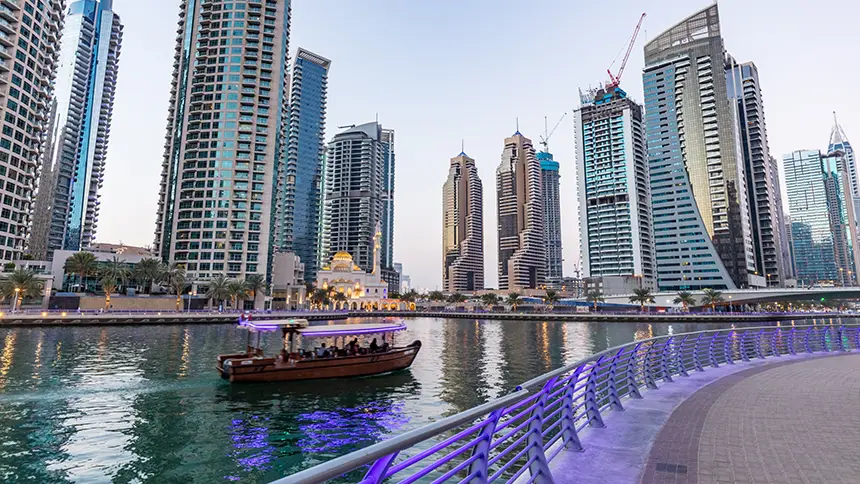
The Corniche is a beautiful seaside promenade where walking becomes both relaxing and scenic.
Why it’s a must-visit
- Stunning views of the Arabian Gulf
- Small cafés offering local snacks and drinks
- Opportunities to see traditional dhows (wooden boats)
- Perfect for sunset walks and photography
Strolling along the Corniche gives visitors a taste of everyday life in Ajman while enjoying the coastal breeze.
Central Souq
Ajman Central Souq is a vibrant marketplace where tourists can experience the emirate’s commercial traditions.
Things to explore
- Fresh spices, herbs, and dates
- Traditional textiles and clothing
- Handicrafts, pottery, and souvenirs
- Local snacks and street food
Walking through the market allows visitors to practice bargaining, interact with shopkeepers, and soak in the lively atmosphere.
Al Nuaimi Mosque
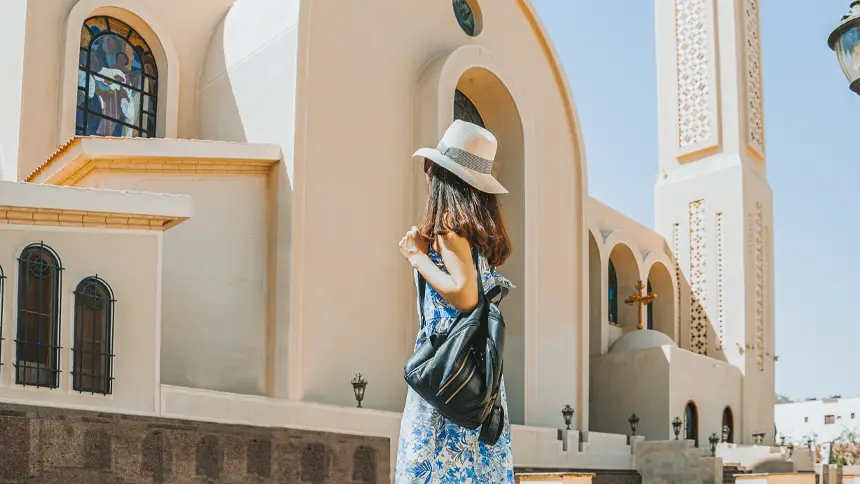
Ajman is home to beautiful mosques, with Al Nuaimi Mosque standing out for its architectural elegance.
Features to notice
- Intricate Islamic designs on walls and ceilings
- Ornate arches and domes
- Peaceful courtyards perfect for reflection
- Insight into local religious practices
Although visitors should respect prayer times, walking tours often include a brief explanation of Islamic traditions and mosque architecture.
Heritage Sites in Al Bustan and Al Rashidiya
Some Heritage strolls focus on older neighbourhoods like Al Bustan and Al Rashidiya, where traditional houses and narrow streets give a glimpse of old Ajman.
What makes these areas special
- Wind towers and wooden doors reflect traditional architecture.
- Narrow alleys designed for pedestrian traffic
- Quiet streets offering photographic opportunities
- Local stories from residents about historical life
These areas preserve the emirate’s cultural identity and provide an authentic strolling experience.
Experiences Along the Walking Tour
Cultural walking tours in Ajman offer more than just sightseeing. They provide meaningful experiences that connect visitors to the city’s lifestyle.
Taste Traditional Foods
Heritage strolls often include stops at small eateries or cafés where tourists can try:
- Balaleet: Sweet vermicelli with eggs, a traditional breakfast dish
- Harees: A slow-cooked wheat and meat dish served on special occasions
- Local dates and coffee: A staple combination in Emirati hospitality
Sampling these dishes gives visitors a literal taste of local culture.
Participate in Local Crafts
Many walking tours in Ajman include visits to artisan workshops, where travellers can see pottery being shaped and painted. They can also watch weaving and embroidery demonstrations or learn about traditional dhow-building techniques. These hands-on experiences help visitors appreciate the skill and effort behind local crafts.
Interact with Residents
Heritage strolls also offer chances to meet local residents who share stories about Ajman’s past and daily life. Tour guides may explain family traditions or tales of pearl diving and fishing. These interactions create a personal connection, giving visitors a deeper understanding of the city beyond its landmarks.
Benefits of Walking Tours for Tourists
These heritage strolls offer several advantages over other forms of sightseeing:
- Physical activity: Strolling keeps travellers active while exploring the city
- Slow travel experience: Tourists can focus on details, appreciating heritage at their own pace
- Environmental sustainability: Exploring on foot produces no emissions, unlike car tours
- Enhanced photography: Stopping frequently allows capturing details and street scenes
Overall, walking tours make travel healthier, more engaging, and environmentally friendly.
Tips for Enjoying a Walking Tour in Ajman
To get the most out of a cultural walking tour, keep these tips in mind:
- Wear comfortable shoes: Streets may be uneven, and tours can last a few hours.
- Stay hydrated: Carry water, especially during warmer months.
- Dress modestly: Respect local customs by wearing clothing that covers shoulders and knees.
- Bring sunscreen and hats: Protect yourself from strong sun exposure.
- Respect local traditions: Avoid entering private homes or restricted areas without permission.
- Ask questions: Guides appreciate curiosity, and locals often enjoy sharing knowledge.
Following these guidelines ensures a safe and enjoyable experience.
Popular Walking Tour Options in Ajman
Tourists have multiple ways to join cultural tours:
- Guided group tours: Led by professional guides, often lasting 2–4 hours
- Private tours: Customised routes based on interests, suitable for families or friends
- Self-guided tours: Using maps or apps for exploration at one’s own pace
- Theme-based tours: Focus on history, architecture, food, or traditional crafts
Each option provides flexibility depending on the traveler’s schedule, budget, and preferences.
Seasonal Considerations
Ajman has a desert climate, so planning a walking tour according to the weather is important. Winter (November to March) is ideal for long outdoor walks with pleasant temperatures. Spring (April to May) is warm but manageable, especially for early morning or evening strolls. Summer (June to September) is extremely hot, making indoor visits or very early morning tours the best option. Autumn (October) offers mild weather, perfect for exploring outdoor attractions. Choosing the right season ensures a comfortable and enjoyable experience.
Cultural Insights and Learning
Walking through Ajman gives travellers a deeper understanding of Emirati culture. Visitors can admire the city’s architecture, from traditional wind towers to modern buildings, and learn about its heritage, including pearl diving, fishing, and desert life. Observing how families and neighbours interact provides insight into the local community. Tours also offer opportunities to learn about Islamic practices and customs. Additionally, travellers gain appreciation for local craft skills, including handmade textiles, pottery, and traditional tools. Each step along the way enriches the visitor’s perspective.
Conclusion
Cultural walking tours in Ajman offer more than sightseeing—they let visitors explore history, taste traditional foods, meet locals, and experience the city’s unique heritage. From museums and mosques to lively souqs and quiet alleys, every step tells a story. These tours allow travellers, whether alone or in groups, to fully enjoy Ajman’s charm and leave with a deeper understanding of its culture and traditions.