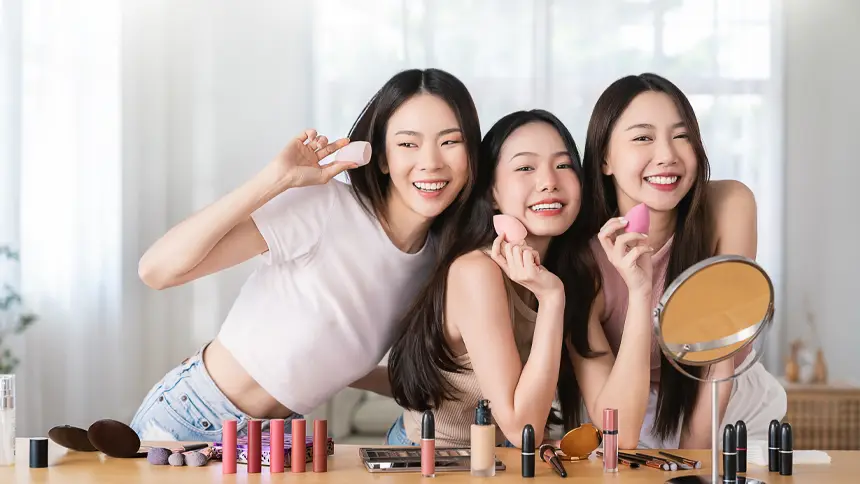
Over the past decade, the beauty and personal care scene in the United Arab Emirates has changed in noticeable ways. Once dominated mainly by Western luxury brands, shelves today show a wider mix of skincare philosophies and aesthetics. Among the most influential new entries are Korean beauty and Japanese beauty. These two Asian approaches have gained steady popularity across malls, online platforms, salons, and even dermatology clinics in the UAE. Their rise reflects changing consumer attitudes, lifestyle choices, and beauty priorities among residents from different age groups and backgrounds.
Understanding K-Beauty and J-Beauty
Before exploring their expansion in the UAE, it is helpful to understand what makes these beauty cultures unique.
What Is K-Beauty?
It originated in South Korea and focuses heavily on skin health, prevention, and constant innovation. It approaches skincare as a long-term practice rather than a temporary solution. This beauty style is known for multistep routines that cleanse, hydrate, and protect the skin, along with lightweight textures designed for easy layering. Many products use creative formulas, including fermented ingredients, and come in trend-driven packaging with frequent new releases. With its emphasis on glow, clarity, and smooth texture, K-Beauty highlights the belief that maintaining healthy skin naturally reduces the need for heavy makeup.
What Is J-Beauty?
It is grounded in Japanese tradition, follows a minimalist and disciplined approach that values simplicity, consistency, and gentle care. Instead of long routines, it relies on a few carefully selected products designed to maintain balance, purity, and long-term skin health. Known for high safety standards and thorough testing, J-Beauty often uses natural ingredients like rice extracts and green tea to deliver subtle, refined results that enhance the skin’s natural look. It promotes skincare as part of everyday lifestyle habits rather than a separate or complicated process.
Why the UAE Market Is Ideal for Growth
The United Arab Emirates offers a strong environment for new beauty movements due to its diverse population, high spending power, and openness to global trends.
Diverse Consumer Base
The country hosts residents from Asia, Europe, Africa, and the Middle East. This multicultural mix creates curiosity toward international routines and rituals.
Climate-Driven Skincare Needs
Harsh sun exposure, heat, and air conditioning increase demand for hydration, sun protection, and soothing formulations. These products address these concerns effectively.
Strong Retail Infrastructure
From luxury malls to digital marketplaces, the UAE provides wide access points for global cosmetic labels.
Beauty-Focused Lifestyle
Personal appearance and self-care hold social value in the region. Many consumers see skincare as part of wellness, not vanity.
Entry of K-Beauty in UAE Markets
It began appearing quietly through niche stores and online sellers, later expanding into mainstream retail.
Key Factors Behind Its Success
- Innovation Appeal: Unique textures, masks, and essences attracted younger audiences.
- Affordability Range: Compared to luxury labels, many Korean products felt accessible.
- Influencer Culture: Social media creators shared routines and reviews, building trust.
- Quick Adaptation: Brands adjusted formulas for sensitive or acne-prone skin common in hot climates.
Popular Product Categories
- Sheet masks for hydration after sun exposure
- Lightweight sunscreens with invisible finishes
- Cushion foundations suitable for daily wear
- Repair serums targeting pollution effects
K-Beauty became especially popular among teenagers, university students, and young professionals.
Expansion of J-Beauty in the UAE
It entered the United Arab Emirates more quietly but with strong credibility.
Reasons for Growing Acceptance
- Trust in Quality: Consumers associate Japanese goods with reliability.
- Dermatologist Endorsement: Many professionals recommend J-Beauty for sensitive skin.
- Cultural Alignment: Simplicity and discipline resonate with wellness-focused lifestyles.
- Longevity Philosophy: Products promise gradual improvement rather than instant change.
Commonly Purchased Items
- Gentle facial cleansers
- Moisturising lotions instead of heavy creams
- High-protection sunscreens
- Anti-aging formulas designed for long-term use
J-Beauty attracts mature buyers, working professionals, and skincare purists.
Role of Social Media and Digital Platforms
Social media and digital platforms have played a major role in shaping beauty preferences in the UAE by making information and trends easy to access. YouTube tutorials offer step-by-step guidance, Instagram Reels highlight product textures and real-time results, and TikTok trends showcase quick transformations that attract curious users. Beauty forums help people compare Asian and Western routines, while e-commerce platforms ensure that Korean and Japanese products are widely available, even when local stores have limited stock. Together, these digital influences have significantly boosted awareness and interest in Asian beauty practices.
Retail and Distribution Trends
Beauty retailers in the UAE have adapted quickly to rising demand.
In-Store Changes
Retailers in the UAE have updated their store layouts to match the rising interest in Asian beauty. Many now feature dedicated sections for Korean and Japanese products, supported by trained staff who explain routines and help with product choices. Sampling stations also allow customers to test items before buying, making the shopping experience easier and more comfortable.
Online Expansion
Digital platforms have also expanded, giving shoppers quick and convenient access to Asian brands. Local delivery partnerships speed up shipping, and multilingual product descriptions make product information clearer. Subscription boxes featuring Korean and Japanese items help customers discover new products easily. These online efforts boost confidence and reduce confusion for buyers across the UAE.
Influence on Beauty Routines in the UAE
The rise of K-Beauty and J-Beauty has significantly influenced beauty routines in the UAE, encouraging people to view personal care in a new light. Many individuals now show greater interest in maintaining consistent daily skincare habits and focusing on prevention rather than correction. This shift has also led to a growing acceptance of self-care as a form of relaxation, reducing the need for heavy makeup in everyday life. As a result, beauty routines have become closely connected to mental wellness and personal time, reflecting a more mindful approach to self-care.
Cultural Exchange and Education
Asian beauty trends have encouraged a broader cultural exchange in the UAE, extending learning far beyond cosmetics. These influences have sparked curiosity about Asian diets and wellness habits, while promoting a deeper appreciation for slow routines, patience, and mindful care. They have also helped people value skin individuality rather than chasing flawless perfection. Overall, this cultural exchange has supported the acceptance of diverse beauty ideals within UAE society, enriching both lifestyle practices and personal perspectives.
Challenges Faced by Asian Brands
Despite success, certain obstacles remain.
- Product overload leading to confusion
- Misunderstanding multistep routines
- Counterfeit risks in online markets
- Need for clear guidance in English and Arabic
Brands addressing education and transparency perform better.
Future Outlook for K-Beauty & J-Beauty in the UAE
The future of K-Beauty and J-Beauty in the United Arab Emirates looks promising, with growth expected to continue as consumer interest remains strong. Brands are likely to introduce more climate-specific formulations suited to the region’s heat, collaborate with Middle Eastern influencers, and promote hybrid routines that blend Korean, Japanese, and local skincare needs. A stronger presence in pharmacies and clinics is also anticipated, showing that Asian beauty is shifting from a passing trend to an everyday lifestyle practice in the UAE.
Conclusion
The rise of K-Beauty and J-Beauty in the UAE reflects more than changing skincare preferences. It shows a deeper lifestyle shift toward mindful self-care, long-term skin health, and global cultural exchange. K-Beauty introduced creativity, innovation, and fun rituals, while J-Beauty brought simplicity, discipline, and trust. Together, they have expanded choices for UAE consumers and influenced how beauty fits into daily life. As awareness grows and routines become simpler, these Asian philosophies are likely to remain a lasting part of the United Arab Emirates lifestyle.