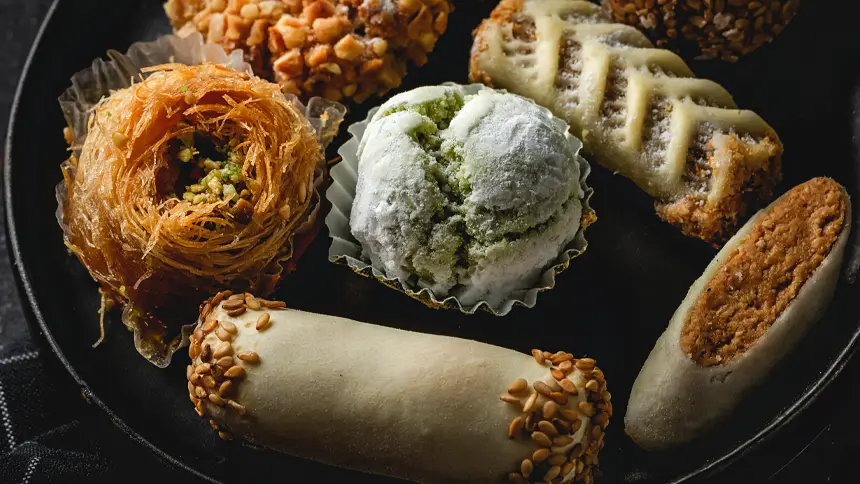
The United Arab Emirates has a rich culinary tradition, and its sweets hold a special place in Emirati culture. Ajman, one of the smaller Emirates, is known for preserving authentic flavours that reflect its heritage. From festive gatherings to daily treats, these traditional desserts are a delightful glimpse into local history.
The Cultural Significance of Sweets in Ajman
In Ajman, sweets are more than just desserts—they represent hospitality, warmth, and celebration. Offering a sweet treat to guests is a long-standing Emirati tradition, reflecting generosity and respect. These delicacies are an essential part of weddings and special occasions, where families mark important life events with homemade desserts, as well as religious festivals like Ramadan and Eid al-Fitr, where they play a central role in communal gatherings.
Sweet treats are also woven into daily life, with small snacks such as dates stuffed with nuts commonly enjoyed alongside coffee or tea. The practice of sweet-making in Ajman has been shaped by local ingredients, coastal trade, and Bedouin heritage, resulting in recipes that are not only flavourful but also deeply connected to the emirate’s cultural identity.
Key Ingredients in Emirati Sweets
Many desserts in Ajman are based on natural and locally available ingredients. These ingredients not only add flavour but also preserve the authenticity of the dishes:
- Dates: A staple in the UAE, used in pastes, fillings, and confections.
- Honey: Adds natural sweetness and a smooth texture.
- Nuts: Almonds, pistachios, and walnuts provide crunch and richness.
- Ghee: Clarified butter used for frying or baking.
- Saffron and cardamom: Popular flavourings that give desserts a distinctive aroma.
- Flour and semolina: Base ingredients for many baked sweets.
These ingredients are often combined in traditional ways to create layered textures, rich tastes, and visually appealing presentations.
Popular Traditional Sweets in Ajman
Ajman offers a variety of desserts that reflect Emirati culinary artistry. Some of the most popular include:
Luqaimat
Luqaimat are small, deep-fried dumplings that are crispy on the outside and soft inside.
- Preparation: The dough is made from flour, sugar, yeast, and water, then fried until golden brown.
- Serving: Traditionally drizzled with date syrup or honey and sprinkled with sesame seeds.
- Occasions: Often served during Ramadan or family gatherings.
Luqaimat is loved for its sweet, sticky texture and light, airy bite.
Balaleet
Balaleet is a sweet and savoury dish combining noodles with cardamom and sugar.
- Preparation: Vermicelli is boiled and then sautéed with butter, sugar, and spices.
- Serving: Usually topped with a thin omelette.
- Occasions: A festive breakfast during special events or Eid celebrations.
Balaleet reflects the Emirati knack for balancing flavours, combining soft, sweet noodles with delicate spices.
Khabeesa
Khabeesa is a traditional semolina-based dessert that dates back generations.
- Preparation: Semolina is roasted in ghee, then mixed with sugar, cardamom, and water or milk.
- Serving: Often garnished with nuts or saffron threads.
- Occasions: Popular during Ramadan and family feasts.
Its creamy consistency and nutty aroma make it a comforting sweet for any occasion.
Madrooba
Madrooba is a lesser-known sweet but highly cherished among locals.
- Preparation: Made from mashed dates, ghee, and spices, often cooked slowly until smooth.
- Serving: Usually enjoyed warm with Arabic coffee.
- Occasions: Served in homes for casual gatherings or after meals.
Madrooba highlights the importance of dates in Emirati desserts, offering natural sweetness and rich flavour.
Khabees Dates Rolls
Khabees dates rolls combine dates with nuts and sometimes coconut.
- Preparation: Dates are mashed and mixed with finely chopped nuts, rolled into small cylinders, and chilled.
- Serving: Served as finger food during tea or coffee sessions.
- Occasions: Common during Ramadan nights or casual home visits.
These treats are convenient, healthy, and rich in traditional taste.
Sweets and Emirati Hospitality
In Ajman, offering sweets is a symbol of generosity and a warm welcome. Many homes keep a selection of desserts ready for unexpected visitors, reflecting the Emirati tradition of hospitality. Traditional coffee, known as Gahwa, is commonly paired with desserts to create a complete experience.
A few classic combinations include dates with Gahwa, enjoyed daily; mini Luqaimat, often served during afternoon visits; and Khabeesa or Madrooba, prepared for larger gatherings. This pairing of desserts with coffee not only delights the taste buds but also fosters an inviting atmosphere that embodies the warmth of local culture.
Modern Variations and Innovations
While traditional sweets remain beloved, modern bakeries in Ajman have introduced creative adaptations to appeal to contemporary tastes. Popular innovations include chocolate-filled dates, which blend local flavours with international appeal, and nut-stuffed pastries, offering richer textures and a diverse range of flavours.
Decorative presentation has also become more common, with some sweets featuring edible gold flakes, colourful garnishes, and artistic plating. These modern touches ensure that Emirati desserts continue to captivate younger generations while maintaining the essence of traditional recipes.
Where to Experience Traditional Sweets in Ajman
Visitors seeking authentic Emirati sweets in Ajman can explore several avenues. Local bakeries often sell handmade Luqaimat, Khabeesa, and date rolls, showcasing the craft skills of family-run shops. Cultural festivals, such as Ramadan markets, provide opportunities to sample a wide variety of traditional desserts in a festive setting.
Many hotels and restaurants also serve sweets alongside international cuisine, offering both convenience and authenticity. Additionally, some households open their kitchens for home experiences, where tourists can participate in cooking workshops or tasting sessions. Exploring these options allows visitors to enjoy local flavours while gaining insight into the region’s rich culinary heritage.
Health Benefits of Traditional Sweets
Although these desserts are sweet, many contain natural ingredients that provide nutritional value. Dates are packed with fibre, antioxidants, and essential minerals. Nuts supply healthy fats and protein, while honey serves as a natural energy booster with antibacterial properties. Aromatic spices like saffron and cardamom offer antioxidants and aid digestion. When consumed in moderation, these sweets offer both enjoyment and nourishment, unlike heavily processed desserts that are high in artificial additives.
Preserving Culinary Heritage
Ajman’s traditional sweets are a living part of the emirate’s culinary heritage. Families pass down recipes from generation to generation, keeping cultural knowledge alive. Community programs, cultural festivals, and educational initiatives help maintain this tradition. Efforts include encouraging younger generations to learn traditional cooking, hosting exhibitions and tastings of Emirati desserts, and highlighting local ingredients in culinary competitions. These activities strengthen cultural identity and ensure that traditional sweets remain relevant and appreciated in modern times.
Conclusion
Traditional Emirati sweets are an integral part of Ajman’s food culture. From Luqaimat to Khabeesa and date rolls, these desserts reflect the history, hospitality, and creativity of the region. They are prepared using simple, natural ingredients that emphasise flavour and tradition. Whether served at celebrations, during daily tea, or at cultural festivals, these treats offer a connection to the past and a taste of Emirati heritage. Modern variations continue to emerge, yet the essence of authenticity remains. Enjoying these sweets is not just about indulgence—it is a way to experience the warmth and generosity that define Ajman’s culinary identity.