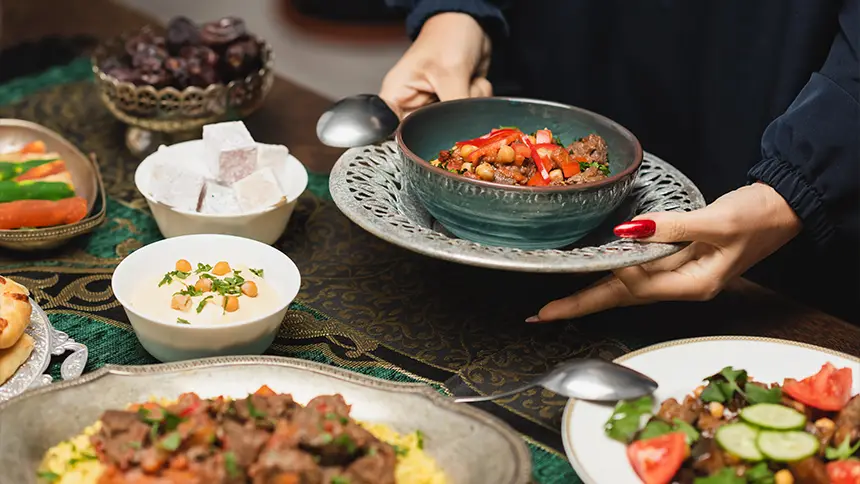
Dubai’s culinary culture today is very rich and exciting. You can find many kinds of cuisines from all over the world in this city. From traditional Emirati dishes to modern international flavors, Dubai offers something for everyone. Restaurants, cafes, and street stalls are popular, and people love trying new dishes and tastes.
Cuisine is an important part of Dubai’s identity. It shows the city’s history, traditions, and love for sharing meals with family and friends. Many tourists also visit Dubai to enjoy its dining experiences, making the city famous for culinary tourism. Over the years, Dubai’s gastronomic culture has changed a lot. It started with simple Bedouin meals made from dates, fish, and grains. Later, people from different countries brought their own recipes, and now Dubai has become a global dining hub. The city blends tradition and modern tastes, making its culinary scene unique and special.
Traditional Beginnings: Emirati and Bedouin Roots
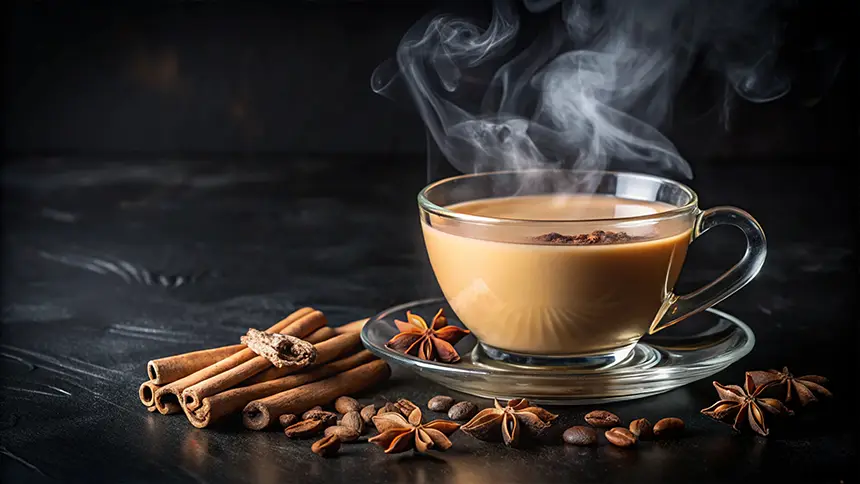
Long ago, the people of Dubai lived in the desert, and their meals came from what was available around them. The early Emirati and Bedouin people ate simple and healthy diets made from dates, fish, camel meat, and grains. Dates were very important because they gave energy and could be stored for many months. People living near the sea ate dried or grilled fish, while those in the desert used camel milk and meat for protein. Popular dishes included Machboos (spiced rice with meat), Balaleet (sweet noodles with eggs), and Khameer (soft bread). Because water was scarce, they used spices to add flavor instead of sauces. Arabic coffee, called qahwa, was served with dates to welcome guests, showing kindness and respect. Sharing meals was a big part of their culture, and people often ate together, sitting on the floor around a large plate, which built strong family bonds.
2000s–2010s: Culinary Renaissance
From the 2000s to the 2010s, Dubai’s dining scene grew even bigger and more exciting. The city started attracting world-famous chefs and luxury restaurants, making it known around the world for its high-quality cuisine. New food festivals and events became popular, where people could taste dishes from many countries. Restaurants began to offer modern versions of traditional Emirati recipes, as well as creative international menus like French, Italian, Japanese, and Mexican. Cafes and dessert shops also became trendy, serving unique sweets and drinks. People started sharing their culinary experiences on social media, which made Dubai even more famous as a gourmet destination. During this time, the city became a place where both tourists and residents could enjoy fine dining, street snacks, and fusion dishes in one trip. This era showed how Dubai combined tradition with innovation, turning its dining culture into a vibrant and global experience.
2020s–Present: Innovation and Sustainability
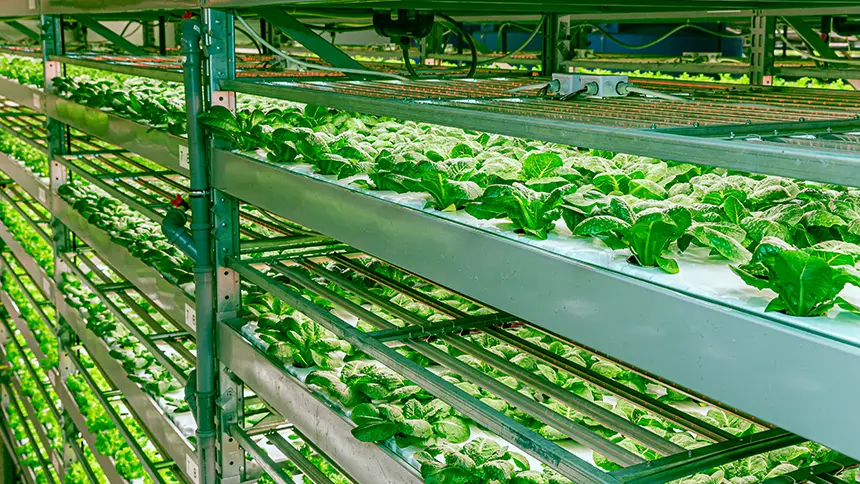
In the 2020s, Dubai’s culinary world has become more modern and focused on sustainability. Many restaurants now use fresh ingredients from local farms and follow the farm-to-table approach, which helps the environment. People are also interested in healthy meals and eco-friendly practices, like reducing waste. Technology is playing a big role too. Some restaurants use smart machines and even AI chefs to create new recipes and make cooking more efficient. Unique desserts and trendy treats have become popular, and social media helps them reach people all over the world. Dubai continues to mix traditional Emirati flavors with new global tastes, keeping its gastronomy exciting. Food festivals, markets, and themed restaurants attract tourists and locals alike. This modern approach shows that Dubai respects its culinary heritage while embracing innovation and new ideas, making the city a leader in both creativity and sustainable dining.
Cultural Celebrations and Food Tourism
Dubai is not only famous for its tall buildings and shopping malls but also for its amazing culinary diversity. One of the best examples of this is the Global Village, a popular attraction that brings together more than 90 countries in one place. Each country has its own pavilion where visitors can taste different dishes, watch performances, and learn about new traditions. It is like traveling the world in a single evening. From spicy Indian curries and Japanese sushi to Italian pizza and Arabic sweets, people can enjoy flavors from every corner of the world.
Local markets also play an important role in Dubai’s gastronomic culture. The Waterfront Market is one of the most famous spots where people buy fresh seafood, fruits, and vegetables every day. It supports local farmers and fishermen and keeps the city connected to its roots. Culinary tourism has become a major part of Dubai’s economy. Many visitors come not just to see the city but also to enjoy its restaurants, street eats, and gourmet festivals. Events like the Dubai Food Festival attract chefs, food lovers, and influencers from around the globe. These experiences help promote Dubai as a global culinary destination. Through its celebrations and diverse dining culture, Dubai shows how meals can bring people together, share traditions, and create unforgettable memories for everyone.
Conclusion
Dubai’s culinary culture has grown from simple traditions to a mix of global flavors and modern ideas. In the past, Emirati and Bedouin people ate simple meals made from what was available in the desert, such as dates, fish, camel meat, and grains. As the city developed and people from many countries came to live and work there, Dubai’s dining scene became more diverse. Restaurants started serving dishes from India, Lebanon, China, and many other countries, turning Dubai into a multicultural culinary hub. In recent years, the city has become famous for its world-class restaurants, creative chefs, and gourmet festivals. Today, Dubai’s gastronomy blends old traditions with new innovations, including sustainable farming, healthy eating, and the use of technology in cooking. From local markets to fine dining restaurants, Dubai offers flavorful experiences for everyone. Its journey from simple Bedouin kitchens to global culinary fame shows how meals connect people, preserve culture, and celebrate diversity. Dubai’s love for good cuisine reflects its growth, creativity, and welcoming spirit toward the world.