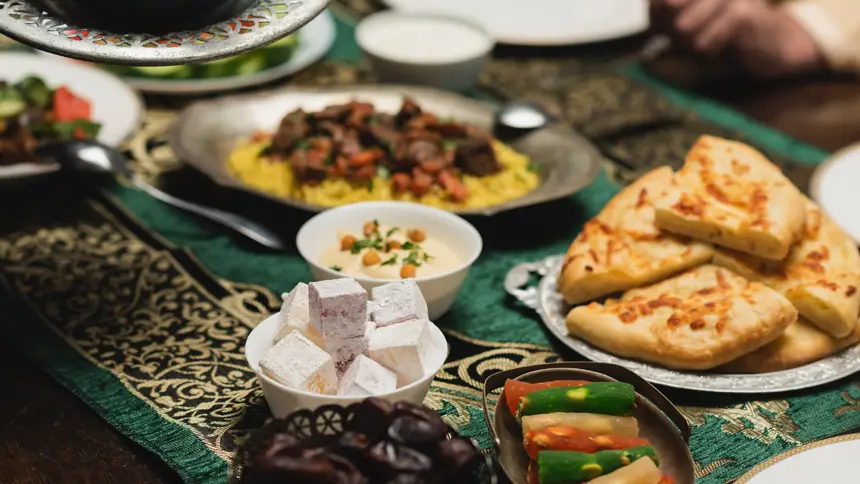
Fujairah stands apart from other emirates because of its dramatic mountain landscape. The Hajar Mountains shape not only the land but also the food culture of the region. Mountain-inspired cuisine in Fujairah reflects simplicity, resourcefulness, and deep respect for nature. Local dishes are built around ingredients that suit rugged terrain, cooler valleys, and coastal access. Together, these influences create a food identity that is both comforting and unique.
The Influence of Mountains on Fujairah’s Food Culture
The Hajar Mountains have long shaped the way people live and eat in Fujairah. Before modern roads and supermarkets, communities relied on what the land provided, developing food habits based on seasonal availability and storage needs. The mountainous environment encouraged efficient use of limited farmland, slow cooking to suit cooler temperatures, and the use of natural herbs to add flavour without heavy seasoning. Shared meals reinforced family and community bonds, creating dishes that were both filling and nutritious. Today, these traditions continue, with local families blending time-honoured methods with modern convenience.
Local Ingredients from Mountain and Valley Areas
Fujairah’s mountain cuisine relies heavily on ingredients sourced from nearby valleys, farms, and coastal areas. Many items are simple, yet full of natural taste.
Commonly Used Ingredients
- Dates harvested from valley farms
- Whole grains like wheat, barley, and rice
- Goat and lamb meat from grazing herds
- Fresh fish from the nearby Gulf of Oman
- Local honey from Hill beekeeping
- Herbs such as thyme, wild mint, and oregano
- Seasonal vegetables including tomatoes, okra, and aubergine
The reliance on fresh and seasonal items gives mountain dishes a distinct taste that is both earthy and wholesome.
Mountain Grazing Livestock and Meat Traditions
Livestock is central to mountain cuisine in Fujairah, with goats and sheep raised in hilly terrain for their rich, flavourful meat. Unlike industrial farming, Highlands grazing follows free-range practices, producing healthier and tastier meat. Traditional preparation methods include slow roasting over an open fire, stewing with grains for nutrition, marinating with local herbs and citrus, and drying or smoking for long-term storage, reflecting a close connection between people, livestock, and the environment.
Traditional Cooking Methods
Mountain-inspired cuisine relies on slow and careful cooking to preserve flavour and tenderise tougher cuts of meat. Common techniques include slow simmering over low heat, clay pot cooking for even warmth, open-fire grilling during gatherings, and steaming dough or grains. These methods, passed down through generations, ensure that each dish retains its authentic taste and texture.
Signature Mountain-Inspired Dishes
Fujairah is home to several dishes that reflect Hill traditions and local tastes. These meals are often shared during family gatherings, celebrations, or special occasions.
Well-Known Dishes
- Harees – A smooth blend of wheat and meat cooked for hours
- Madrooba – Soft rice mixed with fish or chicken
- Thareed – Flatbread layered with vegetable and meat stew
- Machboos – Spiced rice served with meat or seafood
- Jasheed – A creamy seafood dish made from baby shark and spices
Each dish tells a story of patience, warmth, and cultural pride, and the recipes are often adapted slightly from family to family.
Role of Herbs, Natural Seasoning, and Aromatics
Mountain cuisine in Fujairah emphasises natural flavours rather than heavy spices, using herbs and light seasoning to enhance dishes. Common flavourings include dried lime for gentle sourness, aromatic Hill herbs, garlic and onion for depth, and carefully measured salt. Often collected directly from the mountainsides, these herbs add freshness and intensity, allowing the main ingredients to shine without being overpowered.
Beverages and Mountain Drinks
Alongside meals, traditional beverages play a key role in Peak culture. Drinks are simple, refreshing, and often help with digestion.
Popular Mountain Beverages
- Arabic coffee (Qahwa) – Lightly roasted coffee with cardamom
- Herbal teas – Prepared from wild mint, sage, or thyme
- Date juice and milk blends – Nutritious and naturally sweet
- Rosewater lemonade – Refreshing during hot days
These drinks complement the local dishes while reflecting mountain flavours and natural ingredients.
Community and Shared Dining Traditions
In Fujairah’s mountain regions, food is deeply connected to social life, with meals often shared to reflect hospitality and respect. Families and communities gather around large platters, sit together on floor mats, and offer guests the best portions, serving food with warmth and generosity. These practices strengthen family ties, preserve cultural values, and leave a lasting impression on visitors, who often praise the friendliness and welcoming nature of local hosts.
Seasonal Eating in Mountain Areas
Seasonality plays a key role in shaping Fujairah’s mountain cuisine, as recipes are adjusted according to weather and ingredient availability. During cooler months, warm stews provide comfort and nutrition, while lighter meals are preferred in summer. Coastal harvests bring an increase in fish dishes, and special sweets are prepared during festivals. These seasonal practices help the community maintain a healthy, balanced, and sustainable diet throughout the year.
Mountain Sweets and Traditional Desserts
Desserts in Fujairah are simple yet satisfying. Many are inspired by mountain life and local farming.
Popular Sweet Treats
- Date-based sweets with honey
- Flour desserts flavoured with cardamom
- Light pastries served with tea
- Sesame seed treats
Desserts often appear during gatherings and religious events, highlighting the importance of hospitality and celebration.
Modern Revival of Traditional Mountain Cuisine
Chefs and home cooks in Fujairah are bringing traditional mountain flavours back with a modern twist. Restaurants celebrate local heritage by updating dishes with healthier cooking, creative presentation, organic ingredients, and regional flavour fusions. This revival connects younger generations to their culinary roots while offering visitors an authentic and memorable dining experience.
Food Tourism and Culinary Experiences
Mountain-inspired cuisine plays a significant role in Fujairah’s tourism industry. Visitors are drawn to authentic experiences that showcase the region’s natural beauty and food heritage. Highlights include farm-to-table dining in mountain villages, cultural food festivals featuring heritage dishes, traditional cooking demonstrations, and hands-on experiences preparing bread, stews, and sweets. These activities help preserve culinary traditions while supporting local farmers and small businesses, ensuring the longevity of the region’s food culture.
Culinary Events and Festivals
Fujairah hosts numerous culinary events celebrating mountain cuisine and local flavours. These festivals attract food lovers, chefs, and tourists from across the UAE and beyond. Event highlights include heritage cooking competitions, exhibitions of local ingredients, food tasting events showcasing seasonal specialities, and workshops for young chefs on traditional techniques. Such festivals strengthen the bond between food, culture, and community life, fostering pride in Fujairah’s unique culinary identity.
Sustainability and Respect for Nature
Mountain food culture encourages careful use of resources. Nothing is wasted, and ingredients are treated with respect.
Sustainable Practices
- Using whole ingredients in cooking
- Preserving food through drying, smoking, or fermenting
- Supporting local farmers and producers
- Reducing reliance on imported products
Sustainability ensures that future generations can enjoy authentic mountain flavours while protecting natural resources.
Conclusion
Mountain-inspired cuisine in Fujairah is a reflection of land, history, and community spirit. Shaped by the Hajar Mountains, this food culture values simplicity, patience, and natural taste. From slow-cooked dishes to shared meals and local beverages, every element tells a story of survival and tradition. Seasonal ingredients, sustainable practices, and respect for natural resources remain central to these culinary habits. Today, these flavours continue to thrive through modern kitchens, cultural events, and food tourism. By preserving local ingredients, cooking methods, and dining traditions, Fujairah keeps its culinary identity strong. Mountain-based food here is not just nourishment, it is heritage served with warmth, pride, and a deep connection to nature.