Local dishes in Sharjah are much more than everyday meals; they represent the emirate’s rich history, cultural values, and traditional way of life. Sharjah’s local cuisine has developed over many years, influenced by desert life, coastal fishing, and trade with other regions. Simple ingredients such as rice, fish, dates, meat, and spices are commonly used, showing how people adapted to their natural environment. These traditional creations are closely connected to family life and are often prepared at home and shared during gatherings, festivals, and religious celebrations. From family kitchens to cultural events and heritage festivals, Emirati recipes help keep Sharjah’s traditions alive. They also teach younger generations about respect, hospitality, and cultural pride. Today, local food plays an important role in cultural tourism, allowing visitors to experience authentic Emirati flavours. Overall, traditional fare in Sharjah helps preserve heritage, strengthen community bonds, and promote the emirate’s unique cultural identity.
Connection Between Food and Culture
Food in Sharjah is deeply connected to the emirate’s culture and history, and traditional preparations tell the story of daily life in the past. The recipes reflect how people adapted to the desert and coastal environment, using ingredients that were locally available. Common ingredients such as rice, fish, dates, meat, and aromatic spices are used in many Emirati specialties, showing the influence of the natural surroundings and trade with other regions.
Bedouin traditions and the lifestyle of coastal fishing communities have also shaped the way meals are prepared and shared. Hospitality is a key part of Sharjah’s culture, and food is often shared with family, friends, and guests, reflecting strong Islamic values. Traditional creations are not only about taste but also about respecting cultural customs, teaching younger generations about their heritage, and maintaining a connection between food, community, and Sharjah’s rich cultural identity.
Role of Local Dishes in Family and Community Life
In Sharjah, local dishes play a central role in family life and the wider community, bringing people together and strengthening social bonds. Traditional Emirati recipes are often prepared at home and shared during family gatherings, where relatives come together to celebrate special moments. These preparations are especially important during festive occasions such as Ramadan and Eid, when families prepare and enjoy meals that have been passed down through generations.
Sharing food during these times is a way of showing love, respect, and hospitality, values that are highly regarded in Sharjah’s culture. Local fare is also a key feature of community events and cultural festivals, where residents and visitors can experience the emirate’s rich culinary heritage. By participating in these events, people not only enjoy delicious food but also learn about Sharjah’s history, traditions, and social customs. Overall, traditional specialties help create a sense of belonging, strengthen family and community ties, and preserve the emirate’s cultural identity for future generations.
Popular local dishes in Sharjah
Seafood-Based Options
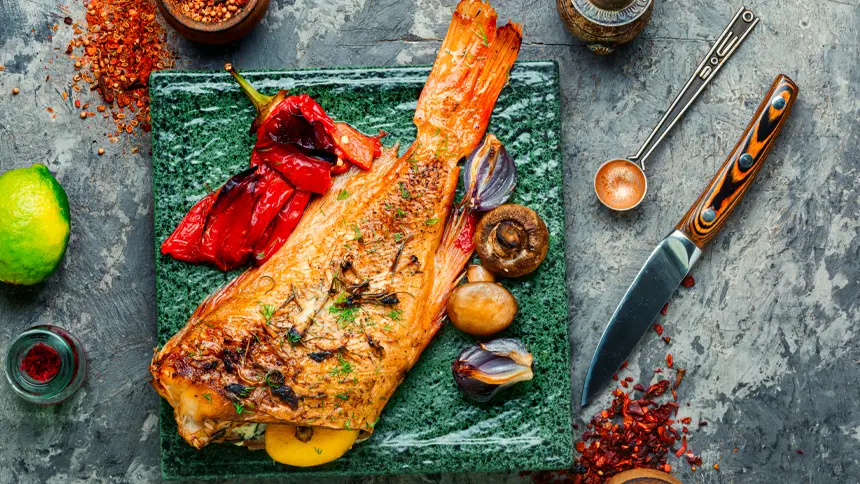
- Samak Mashwi – Grilled fish seasoned with spices, popular in coastal areas.
- Machboos (Seafood Machboos) – Spiced rice with fish or seafood, a traditional festive meal.
- Harees with Fish – Wheat and fish porridge, often served during Ramadan.
Rice and Meat Meals
- Machboos (Chicken or Lamb) – Aromatic rice with chicken or lamb, saffron, and spices.
- Margoog – A stew with meat and vegetables served with traditional flatbread.
- Thareed – Bread soaked in meat and vegetable stew, a hearty comfort food.
Sweet and Dessert Options
- Luqaimat – Small sweet dumplings drizzled with date syrup or honey.
- Khanfaroosh – Sweet, fried dough with a crisp exterior and soft inside.
- Date-filled pastries – Using dates as a natural sweetener in cakes and other treats.
Other Traditional Snacks
- Balaleet – Sweet saffron noodles served with an omelette, often eaten for breakfast.
- Regag – Thin crispy bread served with honey or cheese.
- Stuffed Camel Meat or Chicken – Special meals for festive occasions.
Preserving Heritage Through Traditional Recipes
Traditional recipes in Sharjah play a vital role in preserving the emirate’s rich cultural heritage. Passing down these preparations from one generation to the next helps protect Sharjah’s cultural identity and ensures that the knowledge of traditional cooking methods is not lost. Many Emirati specialties are prepared using techniques that have been followed for centuries, reflecting the way people lived in the desert and along the coast.
Teaching younger generations how to cook these creations is not just about making food; it is also about passing on values, stories, and customs that are an important part of Emirati life. By learning to prepare traditional fare, children develop a stronger connection to their roots and gain an appreciation for their cultural history. Even in modern times, when fast food and international cuisines are widely available, local preparations keep Emirati culture alive and relevant. Preserving these recipes supports cultural pride, strengthens family traditions, and ensures that Sharjah’s unique culinary heritage continues to thrive for years to come.
Boosting Cultural Tourism
Traditional food in Sharjah is a key attraction for tourists who want to experience the emirate’s culture in an authentic way. Local fare allows visitors to taste the flavours of Emirati heritage while learning about the history and customs behind each meal. Traditional preparations are often featured at cultural festivals, heritage sites, and community events, enhancing the overall experience for both residents and tourists. By showcasing these specialties, Sharjah not only preserves its culinary traditions but also promotes its culture on a global stage. Visitors leave with a deeper understanding of Emirati life, traditions, and hospitality.
Local recipes also play an important role in supporting small businesses and family-run restaurants, which contribute to the economy and create opportunities for chefs and vendors to showcase traditional cooking. By combining tourism with authentic dining experiences, Sharjah strengthens its cultural identity, encourages heritage preservation, and offers tourists a unique and memorable way to connect with the emirate’s history, community, and traditions.
Conclusion
Local dishes in Sharjah are more than just meals; they are a vital part of the emirate’s culture and identity. Each traditional preparation tells a story of the past, reflecting how people adapted to the desert and coastal environment while using locally available ingredients such as rice, fish, dates, and spices. These specialties bring families and communities together during gatherings, festivals, and religious celebrations, strengthening social bonds and promoting values like hospitality and respect.
Passing down recipes from one generation to the next preserves cooking methods, teaches younger people about their roots, and keeps Emirati culture alive in modern times. Traditional fare also attracts tourists, enhances cultural events, supports local businesses, and promotes Sharjah’s heritage on a global level. Overall, the importance of local dishes goes far beyond taste; they represent history, unity, and cultural pride, helping Sharjah honour its past while sharing its unique traditions and flavours with the world.