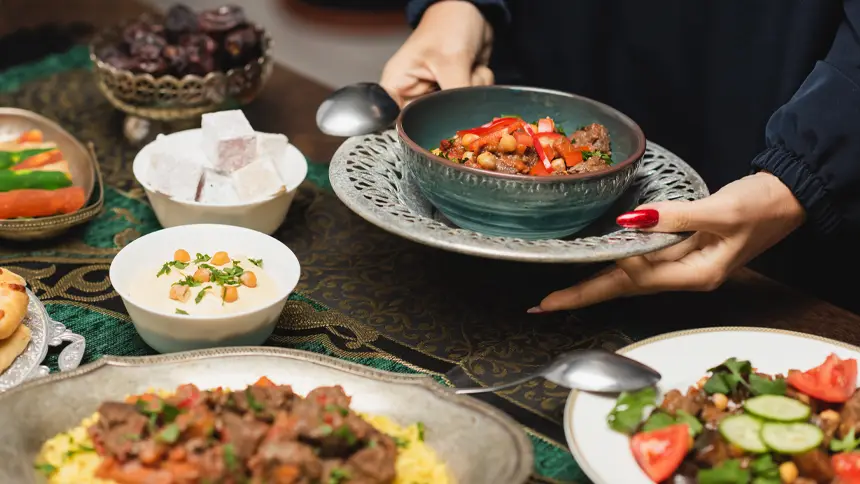
Emirati cuisine is an important part of the country’s cultural identity, reflecting a long history of hospitality, tradition, and shared food heritage. Across the United Arab Emirates, people enjoy many dishes that have been passed down through generations, such as spiced rice meals, hearty stews, and freshly prepared seafood. However, the flavours and cooking styles can differ from one emirate to another. These differences are shaped by geography, history, and local lifestyles. Coastal areas rely heavily on fish, while mountain and desert regions use more meat, dates, and grains. Over time, trade routes, climate, and traditional occupations also influenced what people cooked and how they prepared their meals. By comparing the cuisines of the seven emirates, we can understand how each region adds its own special touch to Emirati food. This helps us appreciate the diversity within the UAE and the unique character each emirate brings to the nation’s dining table.
Abu Dhabi
Abu Dhabi’s cuisine reflects the rich heritage and traditional lifestyle of the region, especially its deep connection to Bedouin culture. Many dishes in the emirate are prepared using slow-cooking methods, which help bring out deep flavours and create warm, comforting meals that families enjoy together. Two of the most popular dishes are Harees and Machboos. Harees is a smooth, porridge-like dish made by cooking wheat and meat for several hours until it becomes soft and creamy. Machboos, on the other hand, is a fragrant rice dish made with meat, spices, and dried limes, giving it a unique taste that is loved across the UAE.
In Abu Dhabi, camel meat is also used in many traditional recipes, reflecting the Bedouin reliance on camels for food and survival in the past. Rice, wheat, and simple spices play an important role in everyday meals, showing how people adapted their cooking to desert life and limited resources. Today, while modern cuisine is available everywhere, these traditional dishes remain an essential part of Abu Dhabi’s cultural identity, reminding people of their history, hospitality, and the strong values passed down through generations.
Dubai
Dubai’s cuisine is a vibrant blend of traditional Emirati flavours and international influences, reflecting the city’s diverse population and global lifestyle. While classic Emirati dishes still hold an important place in daily life, many of them are now prepared with modern twists to suit the tastes of people from around the world. This fusion has created a unique food culture where old and new cooking styles come together. Dubai’s streets and markets are filled with dishes that combine local ingredients with multicultural spices brought in by traders and residents from Asia, Africa, and Europe. These spices add new layers of flavour, making the food rich and exciting.
The city is also known for its street food-inspired versions of traditional meals, offering quick and tasty options such as mini machboos bowls, stuffed regag bread, and spiced meat wraps. These modern variations make traditional foods more accessible to younger generations and tourists. Despite its global image, Dubai still respects its culinary roots, ensuring that Emirati dishes remain an essential part of its identity. The result is a lively food culture that celebrates tradition while welcoming creativity, making Dubai one of the most dynamic culinary destinations in the UAE.
Sharjah
Sharjah’s cuisine is known for its strong focus on heritage and authentic preparation, making it one of the emirates where traditional Emirati food is preserved most carefully. Unlike Dubai, which often blends local dishes with international influences, Sharjah places great importance on keeping recipes close to their original form. Many families still cook meals the same way their ancestors did, using locally available ingredients and simple methods passed down through generations. Traditional stews and rice dishes are at the heart of Sharjah’s food culture. Two popular dishes are Margougat and Thareed.
Margougat is a flavourful stew made with vegetables, meat, and aromatic spices, cooked slowly until everything becomes soft and rich. Thareed is another favourite, made by layering thin bread with meat or vegetable stew, creating a comforting and filling meal. These dishes highlight the emirate’s love for warm, home-style cooking. Sharjah’s limited use of modern fusion allows its cuisine to maintain a strong cultural identity, offering a clear picture of what Emirati food tasted like in the past. This commitment to tradition makes Sharjah an important guardian of the UAE’s culinary heritage, ensuring that younger generations can still experience authentic Emirati flavours today.
Ajman
Ajman’s cuisine is deeply influenced by its coastal location, making fresh seafood a major part of daily meals. The emirate is known for its simple, home-style cooking, where dishes are prepared with fresh ingredients and traditional methods that highlight natural flavours rather than heavy spices. Families in Ajman often enjoy grilled fish, which is seasoned lightly and cooked over an open flame to give it a smoky, tender taste. Fish-based rice dishes are also very popular, especially those made with local varieties of fish caught from nearby waters.
These meals reflect the close connection between Ajman’s people and the sea, with fishing being an important part of their history and lifestyle. In addition to seafood, Ajman is known for its traditional sweets made using dates and molasses. These desserts are typically soft, rich, and naturally sweet, offering a comforting end to a meal. Many of these recipes have been passed down through generations and continue to be served during family gatherings and celebrations. Overall, Ajman’s cuisine celebrates simplicity, freshness, and tradition, making it an essential part of the UAE’s diverse food culture.
Umm Al Quwain
Umm Al Quwain’s cuisine is strongly shaped by its long history as a coastal emirate, with a heavy reliance on fishing traditions that continue to influence daily meals. Because the sea has always been central to life in this region, many dishes feature fresh crabs, shrimp, and a variety of local fish caught from nearby waters. These ingredients are often cooked in simple, traditional ways that highlight their natural flavour, such as grilling, stewing, or lightly spicing them with local herbs. The emirate’s old pearling communities also played an important role in shaping its food culture.
In the past, pearl divers needed meals that were nutritious and easy to carry, which led to the development of practical cooking methods and preserved foods. Traditional fish preservation techniques such as drying and salting are still used today, especially for preparing dishes eaten during the cooler months. These methods not only kept food fresh in earlier times but also added unique flavours that are now part of Umm Al Quwain’s culinary identity. Overall, the emirate’s cuisine reflects a deep connection to the sea and a respect for the skills and traditions passed down by generations of fishing and pearling families.
Ras Al Khaimah
Ras Al Khaimah’s cuisine is strongly influenced by its natural landscape, which includes mountains, farms, and fertile valleys. Because of this, many traditional dishes use fresh, locally grown ingredients such as dairy products, vegetables, and dates. These foods have been part of the region’s diet for generations, reflecting the emirate’s long history of farming and agriculture. The cooking methods in Ras Al Khaimah are often rustic and traditional, focusing on simple techniques that bring out the natural flavours of the ingredients. One of the most distinctive features of the emirate’s cuisine is its popularity for goat and lamb dishes.
These meats are usually slow-cooked to make them tender, then served with rice, spices, and sometimes fresh herbs from local farms. In rural areas, families still prepare meals over open fires or clay ovens, keeping the old ways of cooking alive. The use of dates in both savoury and sweet dishes also highlights the importance of date farming in the region. Overall, Ras Al Khaimah’s food reflects a close connection to the land, offering hearty and wholesome meals that showcase the emirate’s rich agricultural traditions and mountain lifestyle.
Fujairah
Fujairah’s cuisine stands out in the UAE because of its strong connection to the Indian Ocean, which has shaped the emirate’s food traditions for centuries. Its coastal location provides easy access to a wide variety of seafood, making fish, shrimp, and other ocean ingredients an essential part of everyday meals. Unlike the emirates on the Arabian Gulf side, Fujairah’s dishes often reflect influences from Indian, Iranian, and East African cooking, brought in through old trade routes. This has led to the use of aromatic spices and herbs, such as turmeric, cumin, coriander, and fresh curry leaves, which give the food a rich and colourful flavour.
Many dishes are prepared with generous amounts of these spices, creating meals that are fragrant and full of character. Seafood-rich recipes, including spiced fish curries and grilled fish with herbs, are especially popular. Fujairah’s cooking style is unique compared to other Gulf-facing emirates because it combines traditional Emirati methods with coastal and international flavours. This blend of influences has resulted in a diverse and vibrant food culture. Overall, Fujairah’s cuisine reflects its seaside heritage, multicultural connections, and love for bold, aromatic dishes.
Conclusion
Emirati cuisine across the seven emirates shares a common foundation of traditional flavours, warm hospitality, and dishes passed down through generations. However, each emirate adds its own special touch, creating both similarities and clear differences. Coastal regions focus heavily on seafood, while desert and mountain areas rely more on meat, grains, dates, and farm-grown ingredients. These variations show how local geography plays an important role in shaping flavours, ingredients, and cooking styles. The sea, mountains, climate, and local traditions all influence what people eat and how they prepare their meals. This creates a rich mix of tastes, from the rustic dishes of Ras Al Khaimah to the spice-filled cuisine of Fujairah and the modern blends found in Dubai. Together, these regional differences highlight the incredible diversity within Emirati cuisine. Understanding these flavours helps us appreciate the UAE’s cultural identity and its strong connection to history, land, and community.