Sharjah’s food sector is entering an exciting phase of transformation, shaped by innovation, sustainability, and strong cultural values. As one of the UAE’s leading cultural and economic centres, Sharjah is working to build a future-ready culinary economy that supports healthy living, nutrition security, and economic growth. Changing consumer habits, such as the rising demand for nutritious, organic, and locally produced edible products, are influencing how agricultural produce is grown, processed, and sold. At the same time, government initiatives linked to the UAE National Food Security Strategy encourage modern farming methods, reduced wastage, and sustainable production. Sharjah’s strategic location, advanced infrastructure, and growing population further support the expansion of manufacturing units, restaurants, and dining services. From traditional Emirati cuisine to modern gastronomy technology, the emirate successfully combines heritage with progress. Overall, the future of Sharjah’s culinary sector reflects a balanced approach that meets modern needs while respecting cultural traditions and environmental responsibility.
Growing Demand for Healthy and Nutritious Food
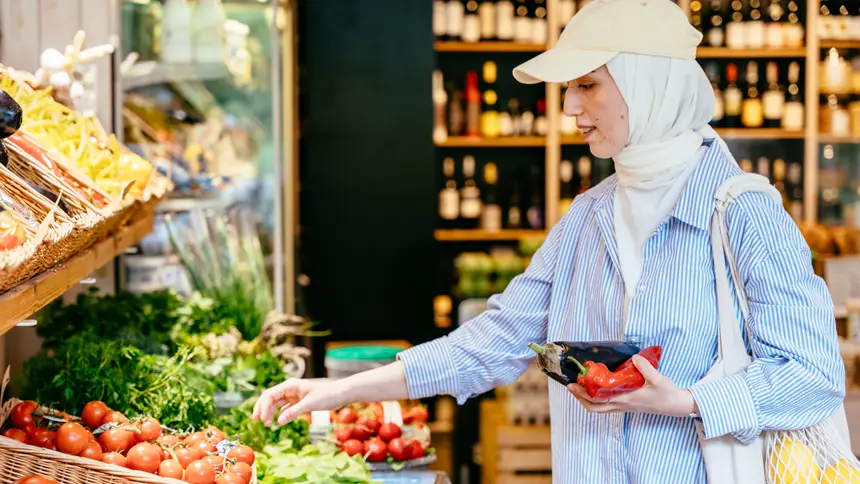
The growing demand for healthy and nutritious food is strongly influencing the future of Sharjah’s agri-food sector. As people become more aware of the link between diet and overall well-being, many residents are choosing organic and natural dietary products over processed options. Supermarkets in Sharjah now offer a wider range of fresh fruits, vegetables, whole grains, and chemical-free consumables to meet this demand. There is also a noticeable rise in low-sugar, low-fat, and plant-based meal options, as families aim to reduce lifestyle-related health problems such as obesity and diabetes.
Restaurants and cafés are responding by adding healthier dishes, calorie-controlled menus, and nutritional information for customers. Government health campaigns and school awareness programmes further encourage balanced eating habits. This strong focus on nutrition is helping Sharjah promote a healthier population while supporting sustainable and responsible production systems for the future.
Focus on Food Security and Local Production
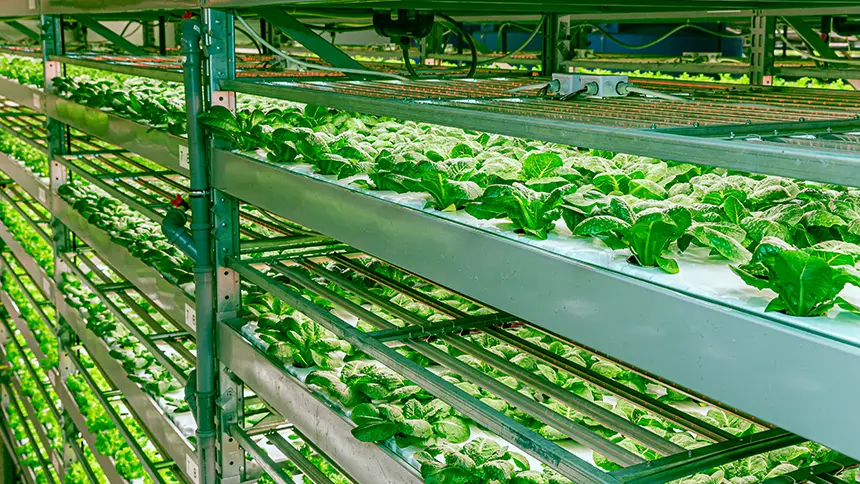
Food security and local production are key priorities shaping the future of Sharjah’s agricultural and supply sector. To ensure a stable and reliable supply of essential produce, the government is investing in smart farming and modern agricultural techniques such as hydroponics, greenhouse farming, and water-efficient irrigation systems. These methods help grow crops locally despite the UAE’s desert climate. By encouraging domestic production, Sharjah aims to reduce its dependence on imported agricultural goods, which also protects the emirate from global supply disruptions.
Support is provided to local farmers and producers through training programmes, financial incentives, and access to modern technology. Local farms now supply fresh vegetables, fruits, dairy, and grains to markets and supermarkets across the emirate. These initiatives not only improve sustainability but also strengthen the local economy, create jobs, and ensure safer, fresher supplies for Sharjah’s growing population.
Technology Transforming the Food Sector
Technology is playing an important role in transforming Sharjah’s culinary economy by improving efficiency, safety, and customer experience. Digital innovation has helped culinary businesses manage their operations more effectively, from production to delivery. Many companies now use artificial intelligence (AI) to plan supply chains, track inventory, and reduce wastage by predicting demand more accurately. Online ordering platforms and smart delivery systems have become popular, making it easier for customers to access meals quickly and conveniently.
In addition, advanced processing and modern packaging technologies help maintain product quality, extend shelf life, and ensure high safety standards. Smart packaging also provides clear information about ingredients and expiry dates. These technological advancements support Sharjah’s goal of building a modern, safe, and sustainable production environment while meeting the growing needs of its population and digital economy.
Sustainability and Environmental Responsibility
Sustainability and environmental responsibility are becoming major priorities in the future of Sharjah’s production and consumption system. As awareness of climate change and environmental protection grows, businesses related to food production are adopting eco-friendly practices to reduce their impact on nature. One key focus is the reduction of waste across the entire supply chain, from farms and factories to supermarkets and restaurants. Many companies are also switching to sustainable packaging, such as recyclable and biodegradable materials, to reduce plastic waste.
Eco-conscious production methods are encouraged to protect natural resources and support long-term sustainability. In addition, manufacturing units are increasingly using water-saving technologies and energy-efficient systems, which are especially important in a region with limited water resources. These efforts support Sharjah’s vision of sustainable development while ensuring that future generations have access to safe, responsible, and environmentally friendly systems.
Growth of Manufacturing and Processing Activities
The growth of manufacturing and processing activities is strengthening Sharjah’s position as an important production hub in the UAE. The emirate has developed well-planned industrial zones that support the expansion of processing plants and manufacturing units. These zones provide modern infrastructure, easy transport links, and advanced storage facilities, which help businesses operate efficiently. As a result, Sharjah is increasing its production capacity and creating more export opportunities within the GCC region and neighbouring markets.
Government incentives, such as reduced costs, business support services, and investor-friendly policies, further encourage agri-based enterprises to set up and grow in the emirate. This expansion supports economic diversification, reduces reliance on imported processed items, and creates employment opportunities. Overall, the growth of manufacturing and processing plays a key role in building a strong, competitive, and sustainable production environment in Sharjah.
Changing Consumer Preferences and Dining Experiences
Changing consumer preferences are reshaping dining experiences in Sharjah and adding greater diversity to the local culinary culture. With a multicultural population and growing tourism, there is increasing demand for international and fusion cuisines that combine global flavours with local tastes. At the same time, Sharjah continues to promote family-friendly and culturally respectful dining concepts that reflect its strong traditions and values.
Restaurants focus on comfortable spaces, halal standards, and healthy menu options suitable for all age groups. Another major trend is the growth of cloud kitchens and delivery-based meal models, which offer convenience and affordability to busy residents. Online platforms make it easy for customers to order a wide variety of dishes from home. These changes show how Sharjah’s hospitality and dining sector is adapting to modern lifestyles while maintaining cultural identity and offering safe, inclusive, and enjoyable dining experiences for everyone.
Investment Opportunities and Future Outlook
The agri-culinary sector in Sharjah offers strong investment opportunities and a positive future outlook. With supportive government policies and well-developed infrastructure, the emirate provides a favourable environment for production-based businesses and investors. Industrial zones, modern transport networks, and efficient logistics systems make it easier for companies to produce, store, and distribute consumable products. Sharjah’s rising population and growing tourism sector are also increasing demand for dining services, restaurants, and packaged goods.
In addition, the emirate’s strategic location allows easy access to regional and international markets. As a result, Sharjah is emerging as an important regional supply and logistics hub within the UAE and the GCC. Continued investment in technology, sustainability, and local production is expected to further strengthen the sector. Overall, the future outlook for this industry in Sharjah remains highly promising, offering long-term growth and economic stability.
Conclusion
The future of Sharjah’s culinary and production ecosystem looks bright and well-planned, supported by health awareness, innovation, sustainability, and strong government initiatives. The emirate is successfully adapting to changing consumer needs by promoting nutritious diets, modern technology, and environmentally responsible practices. Investments in local production, manufacturing, and smart agriculture are helping to strengthen national food security and economic growth. At the same time, Sharjah continues to respect its cultural values while welcoming modern dining trends and global cuisines. With a growing population, rising tourism, and a supportive business environment, Sharjah is building a resilient and future-ready ecosystem. This balanced approach ensures long-term benefits for businesses, consumers, and the environment, making Sharjah a leading example of sustainable development in the UAE.