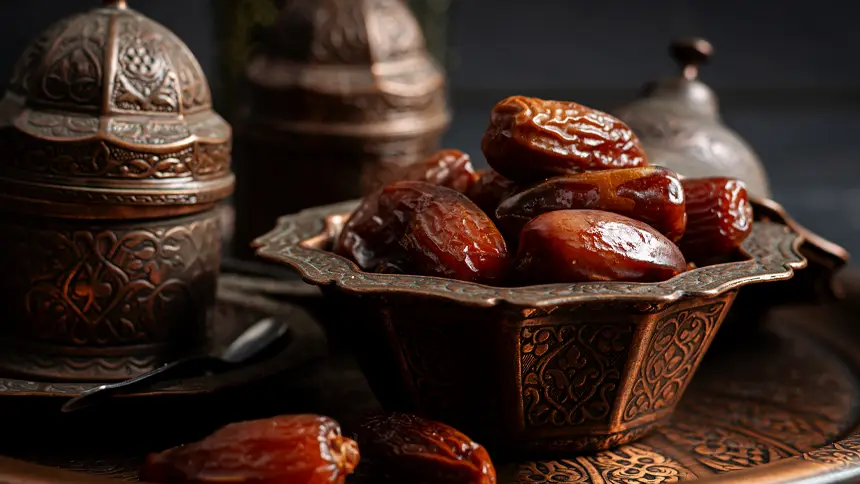
Dates hold great importance in UAE culture, as they have been a major part of daily life for generations. They are more than just a fruit; they represent hospitality and warmth, as it is common for Emirati families to welcome guests with dates and Arabic coffee. This simple gesture shows respect and kindness, making dates a symbol of tradition across the country. Today, this produce continues to play a key role in modern cuisine, with chefs using them in everything from desserts and snacks to creative savoury dishes. Their natural sweetness, rich flavour, and health benefits make them a popular choice in both traditional and contemporary cooking. The purpose of this article is to explore the many creative ways the UAE uses its national produce in everyday meals, highlighting how the sweet crop connects the country’s past, present, and evolving food culture.
History and Cultural Importance of Dates in the UAE
The fruit has been an essential part of life in the UAE for thousands of years, shaping both the country’s food traditions and cultural values. Long before modern cities were built, palm harvests provided nourishment, shade, and a reliable food source for people living in the desert. Over time, dates became deeply connected to Emirati identity, appearing in daily meals, celebrations, and social customs. Their presence in religious practices, especially during Ramadan, reflects their spiritual importance as well. This produce continues to be cherished today, not only for its flavour and health benefits but also for the strong cultural meaning it carries. From family gatherings to national festivals, the harvest remains a symbol of respect, generosity, and heritage in the UAE, representing a link between the nation’s past and its modern lifestyle.
Traditional Role of Dates
The fruit has played a traditional role in the UAE for centuries, especially during desert life when food sources were limited. It served as a staple food because it was easy to store, carry, and eat while travelling across the desert. This product is also packed with nutritional benefits, providing energy, fibre, and essential vitamins that help people stay strong in harsh conditions. Even today, the harvest continues to be an important part of Emirati traditions, particularly during Ramadan. It is the first food eaten to break the fast, as it quickly restores energy after long hours without eating or drinking. This practice reflects both health benefits and cultural heritage, showing how deeply the sweet crop is connected to daily life and religious customs in the UAE.
Dates as a Symbol
In the UAE, the fruit is more than just food; it is a powerful symbol of kindness and hospitality. It is a common tradition for families to welcome guests with dates and Arabic coffee, showing respect and warmth. This simple gesture reflects the country’s long-held values of generosity and friendliness. The sweet produce also plays an important role in cultural festivals and celebrations, where it is displayed, shared, and used in special dishes. Events such as the Liwa Date Festival highlight their significance, bringing communities together to honour the harvest and its heritage. Through these traditions, the crop remains a symbol of unity, culture, and pride in the Emirates.
Traditional Emirati Dishes Featuring Dates
Popular Traditional Recipes (Traditional Dishes)
- Chami – A traditional breakfast made from dried yoghurt, often enjoyed with fresh fruit.
- Luqaimat with Date Syrup (Dibs) – Sweet fried dough balls drizzled generously with thick date syrup.
- Khabees – A classic dessert made with roasted flour, sugar, spices, and chopped produce.
- Dates with Arabic Coffee (Gahwa) – A must-have combination served to guests as a sign of hospitality.
- Foga / Fareed with harvest pieces – Traditional porridge-style dishes that incorporate the fruit for sweetness.
- Date-stuffed Maamoul – Soft pastries filled with sweet paste.
- Aseedah – A warm, thick pudding-like dish sometimes made with date syrup.
Dates in Daily Meals (Everyday Uses)
- Fruit in Breakfast Bowls – Added to oats, yoghurt, or porridge for natural sweetness.
- Sweet crop as a Healthy Snack – Eaten alone or mixed with nuts for quick energy.
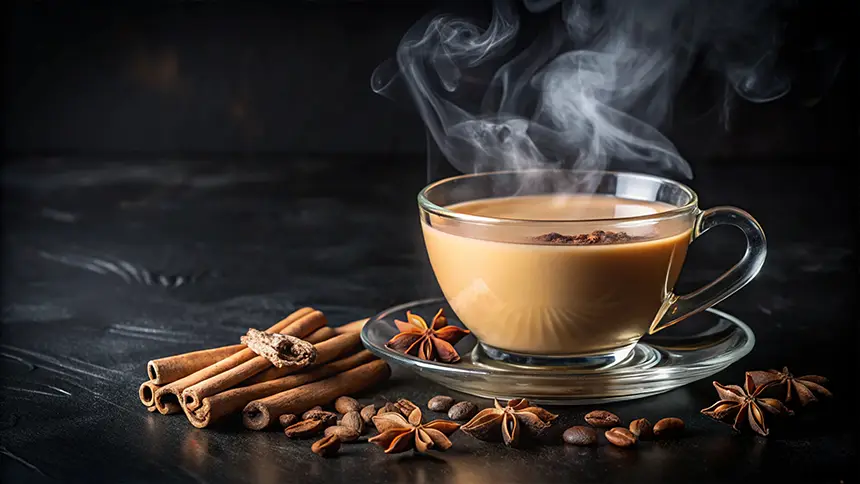
- Natural sweetener – Used in milk, tea, desserts, and home-cooked meals instead of sugar.
Modern Uses of Dates in Contemporary Cuisine
Desserts and Baked Goods
In modern UAE cuisine, this fruit has become a favourite ingredient in many desserts and baked goods. Its natural sweetness and soft texture make it perfect for date cakes and cookies, which are enjoyed in homes, cafés, and special events. Chocolate-covered treats are also extremely popular, combining the richness of chocolate with the sweetness of the harvest to create a simple yet elegant dessert. Many bakeries prepare pastries with the crop, adding chopped produce or date syrup to give the dishes a warm, caramel-like flavour. These modern creations show how the fruit can easily be used in new recipes while still reflecting Emirati traditions. They offer a healthier alternative to processed sugar and help make everyday desserts more nutritious and flavourful. By mixing old traditions with new ideas, today’s desserts highlight the versatility of the UAE’s national produce.
Healthy Snacks and Fitness Foods
The fruit has also become a key ingredient in many healthy snacks and fitness foods across the UAE. Because it is naturally sweet and full of energy, this product is often used in energy bars, giving people a nutritious boost during school, work, or exercise. Many health-conscious residents enjoy smoothies and shakes made with the harvest, mixing them with milk, oats, or fruits to create a filling and tasty drink. Sweet paste is also used to make protein bites, which combine nuts, seeds, and the pulp to form small, bite-sized snacks that are easy to eat on the go. These options are popular because they use natural sweetness instead of added sugar and provide important nutrients. By including the crop in modern health foods, people in the UAE can enjoy both flavour and nutrition while staying connected to their cultural roots.
Savoury Dishes Made with Dates
Creative Savoury Pairings
In the UAE, this produce is not only used in sweet dishes but also plays an exciting role in many savoury recipes. One popular idea is stuffed pieces with nuts or cheese, where the soft sweetness is balanced by the creamy or crunchy filling, creating a flavourful appetizer often served at gatherings. The harvest is also added to rice dishes, where it blends with spices, vegetables, or meat to give the meal a gentle sweetness that complements the savoury ingredients. Another creative use is in salads with crop pieces and fresh herbs, which combine fresh vegetables, mint, coriander, and chopped sweet pulp for a refreshing and colourful dish. These pairings show how this product can add depth, balance, and a unique taste to everyday savoury meals, making it a versatile ingredient in modern Emirati cooking.
Dates in Main Courses
The fruit is also used in many main courses across the UAE, adding richness and a natural sweetness to enhance traditional flavours. A popular dish is chicken with date sauce, where the tender chicken is coated in a smooth, sweet sauce made from blended produce and spices. The dish is comforting and full of flavour, making it a favourite in many homes. In more traditional recipes, lamb cooked with the pulp is enjoyed during special occasions, as the slow-cooked lamb absorbs the sweetness, creating a soft and aromatic meal. The sweet crop also works beautifully in vegetarian dishes, such as roasted vegetables with harvest glaze, where carrots, pumpkins, or aubergines are coated in a light syrup that caramelises during roasting. These main courses show how this pulp can turn simple ingredients into rich, flavourful meals that celebrate the UAE’s culinary heritage.
Drinks and Everyday Date-Based Products
Popular Drinks
In the UAE, the sweet fruit is used to make a variety of popular drinks that are enjoyed by people of all ages. Date milkshakes are one of the favourites, made by blending the crop with milk to create a creamy and naturally sweet drink, often eaten as a quick breakfast or an afternoon treat. Another creative beverage is date-infused coffee, where the flavour of the produce is mixed with Arabic or modern coffee to give it a warm, rich sweetness without using sugar. Many cafés also serve smoothies made with the harvest, mixing it with fruits, oats, or yoghurt to create a healthy and filling drink. These beverages show how the sweet pulp can add natural flavour and nutrition to everyday drinks, making them a tasty and healthier alternative to sugary options.
Date Syrup (Dibs) Uses
Date syrup, known in the UAE as dibs, is a thick, sweet liquid made from pure crop pulp and used in many everyday dishes. A common use is pouring it over pancakes and porridge, giving breakfast a rich, caramel-like sweetness. In desserts, dibs is often used as a natural topping or mixed into recipes to replace processed sugar. It adds depth of flavour to cakes, puddings, and traditional sweets. Many families also use dibs in homemade breads, either mixed into the dough or brushed on top for a glossy finish. This shows how the syrup can be used in both simple meals and special dishes, making it a popular and healthier alternative for sweetening food in Emirati homes.
The Date Industry in the UAE
Date Farming
The date industry in the UAE is strongly supported by a long tradition of palm cultivation, which has been an important part of the country’s agriculture for centuries. Palm harvests grow well in the hot desert climate, making them one of the most successful and valuable crops in the region. Today, the UAE has many key producing regions, including areas like Al Ain, Liwa, and Ras Al Khaimah, where large farms and oases grow several varieties. Farmers use modern techniques to care for the trees, improve the quality of the produce, and increase production. These efforts help the UAE remain one of the leading producers in the world, while also protecting the country’s agricultural heritage.
Innovation in Date Products
Along with traditional farming, the UAE has made great progress in developing innovative produce-based products that appeal to modern tastes. One example is date sugar, a natural sweetener made by drying and grinding the pulp, which is becoming popular as a healthier alternative to regular sugar. Another new product is date spreads, which are smooth and easy to use on bread, in desserts, or as a topping. The UAE is also known for producing a wide range of packaged harvest snacks, including stuffed pieces, chocolate-coated treats, and energy bites, making them convenient for both locals and tourists. These innovations help modernise the industry while honouring the country’s cultural traditions.
Conclusion
The fruit is much more than just a food item in the UAE; it is a symbol of culture, tradition, and hospitality. From traditional dishes like Chami and Luqaimat to modern desserts, snacks, and beverages, this produce is used in countless creative ways that showcase its versatility. The UAE’s industry continues to grow, with farmers cultivating high-quality palms and innovators creating products such as sugar, spreads, and packaged harvest snacks. Whether eaten at home, served to guests, or enjoyed in restaurants and cafés, the sweet crop connects the past with the present, reflecting both heritage and modern tastes. Its nutritional value, natural sweetness, and cultural significance make it an important part of daily life. Overall, the UAE’s national produce remains a source of pride and creativity, highlighting the country’s ability to preserve tradition while embracing new culinary ideas.