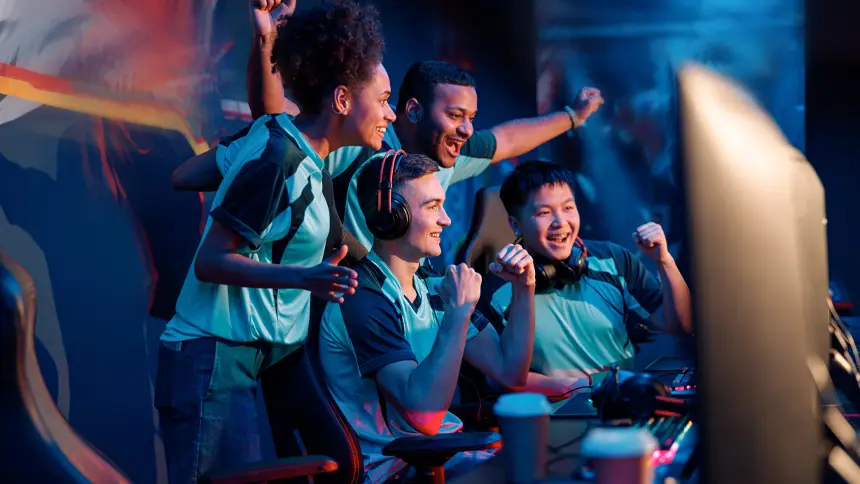
In the last two decades, gaming has evolved from a casual hobby into a major global industry. Among its most dynamic branches stands e-sports, short for electronic sports. Once seen as mere entertainment, it now represents a multi-billion-dollar business, combining competition, technology, sponsorship, and global entertainment. These events fill entire stadiums, attract millions of online viewers, and generate employment in areas like marketing, broadcasting, game development, and event management. As technology and connectivity expand, this industry continues to grow, influencing both economies and culture.
Understanding E-Sports
E-sports are organized video game competitions where skilled players and teams battle for prizes, recognition, and global fame. Popular games like League of Legends, Counter-Strike 2, Dota 2, Valorant, Fortnite, and PUBG attract millions of fans worldwide. These events feature clear rules, structured tournaments, and both solo and team formats. With live-streaming on platforms like YouTube and Twitch, competitive gaming reaches audiences worldwide and mirrors traditional sports in its sponsorship, professionalism, and enthusiastic fan engagement, transforming it into a serious and rapidly growing business.
The Business of E-Sports
E-sports operate like any modern entertainment industry. Its structure involves multiple business layers working together to create revenue and sustain growth.
Main revenue sources
- Sponsorship: Brands like Intel, Red Bull, and Coca-Cola sponsor teams and tournaments.
- Advertising: In-game ads, banners, and video content create visibility for products.
- Merchandising: Jerseys, gaming gear, and collectibles are sold to fans.
- Media rights: Companies pay for broadcasting rights on television or online platforms.
- Ticket sales: Live tournaments attract large audiences in arenas and venues.
- Streaming income: Platforms share advertising or subscription revenue with event organizers.
Together, these elements create a complex and highly profitable digital entertainment ecosystem.
Market Growth and Financial Potential
Industry experts report that e-sports revenue has exceeded $1.5 billion worldwide, with steady growth expected in the coming years. This expansion is fueled by easy digital access, growing youth interest, and strong corporate investments from sports clubs and media companies. Major global tournaments like The International and the League of Legends World Championship draw huge audiences and sponsorship. Beyond competition, revenue streams such as streaming, branding, and game development make e-sports a thriving hub for business innovation and global opportunity.
Professional Players and Teams
Every e-sport match is supported by a professional structure that includes players, coaches, analysts, and support staff. Just like traditional athletes, professional gamers train for hours each day to improve their skills and strategies. Teams rely on effective management for contracts and promotions, coaches for performance development, and wellness programs to maintain physical and mental health. Sponsorship plays a key role in covering expenses and ensuring stability. With top players earning millions through prizes and endorsements, competitive gaming has evolved into an inspiring career path for aspiring players worldwide.
Role of Technology
Technology drives every aspect of e-sports, from game design to fan engagement. Advances in hardware, software, and digital communication allow smoother experiences for both players and viewers.
Key technological influences
- High-performance devices: Gaming PCs, consoles, and peripherals enhance gameplay precision.
- Fast internet connectivity: Enables real-time global matches and high-definition streaming.
- Cloud gaming and VR: Expand access and introduce immersive experiences.
- AI analytics: Used to study player behavior, improve strategies, and enhance broadcasting quality.
The continuous integration of innovation ensures that e-sports evolve alongside the latest digital trends.
Sponsorship and Brand Involvement
E-sports have become a strong marketing platform for businesses aiming to connect with tech-savvy, younger audiences that traditional advertising often misses. Brands engage through tournament sponsorship, product placements, and team partnerships, featuring their logos on jerseys, websites, and event spaces. Many also collaborate on co-branded merchandise and digital campaigns to enhance visibility. These sponsorships not only boost product promotion but also strengthen brand loyalty within active and growing digital communities.
Global Tournaments and Events
E-sports tournaments have become major global spectacles comparable to football or cricket events. Venues like the Staples Center in Los Angeles or the Mercedes-Benz Arena in Berlin have hosted sold-out championships.
Examples of major events
- The International (Dota 2) – known for its record-breaking prize pools.
- League of Legends World Championship – viewed by millions worldwide.
- Fortnite World Cup – offers multi-million-dollar rewards.
- Overwatch League – structured like a professional sports league.
These events drive tourism, merchandise sales, and broadcasting profits while inspiring a new digital fan culture.
The Role of Streaming Platforms
Streaming platforms are the lifeline of e-sports. They allow fans to follow their favorite players, learn new techniques, and interact with communities in real-time.
Popular platforms
- Twitch: The largest streaming platform globally.
- YouTube Gaming: Offers exclusive deals with tournaments and content creators.
- Facebook Gaming and Kick: Emerging spaces for new audiences.
Advantages of streaming
- Builds community engagement.
- Offers real-time feedback and sponsorship opportunities.
- Generates steady income through ads and subscriptions.
Streaming also democratizes the industry, anyone can start broadcasting, leading to new influencers and independent content creators.
Education, Careers, and Skill Development
It is now opening doors to education and career opportunities across the world. Many universities and institutions offer specialized courses in gaming management, digital marketing, and event production. Career paths include professional gaming, coaching, team management, event coordination, content creation, commentary, game design, and marketing. These roles combine creativity, strategy, and business knowledge, showing that gaming is no longer just a hobby but a recognized and rewarding professional field.
Challenges in the Industry
Despite its rapid growth, the e-sports business faces challenges that need responsible management.
Major issues
- Player burnout: Long hours and constant travel affect well-being.
- Piracy and cheating: Threaten fairness and brand reputation.
- Gender imbalance: Female representation remains low.
- Sustainability concerns: Maintaining profitability while supporting smaller teams can be difficult.
Addressing these challenges through proper regulation, inclusivity, and education will ensure long-term industry stability.
Regional Growth and Opportunities
E-sports growth extends far beyond Western markets, with Asia, especially South Korea, China, and Japan, continuing to lead the competitive gaming scene. At the same time, emerging regions such as the Middle East, India, and Africa are showing strong potential thanks to improved internet infrastructure, government support, and the rapid rise of mobile gaming. The creation of local leagues and tournaments is further boosting participation and talent development. This regional expansion is diversifying the industry and strengthening its global reach, turning competitive gaming into a truly worldwide phenomenon.
Future Outlook
The future of e-sports appears promising and full of innovation. Advancements in 5G, artificial intelligence, and virtual environments are set to make gaming experiences more immersive and connected. Upcoming trends include the rise of VR and AR tournaments, expansion into metaverse spaces, greater inclusivity across genders and regions, and stronger ties between gaming companies and traditional sports organizations. With growing government recognition and rapid technological progress, competitive gaming is set to continue reshaping the global entertainment industry.
Conclusion
E-sports have transformed from a simple gaming activity into a powerful global business sector. It combines skill, technology, strategy, and entrepreneurship, offering new opportunities for players, investors, and fans alike.
What makes this industry remarkable is its accessibility. Anyone with talent and dedication can rise, regardless of location. While challenges exist, the continued investment, creativity, and community support show that e-sports are not a passing trend but a sustainable, thriving business.