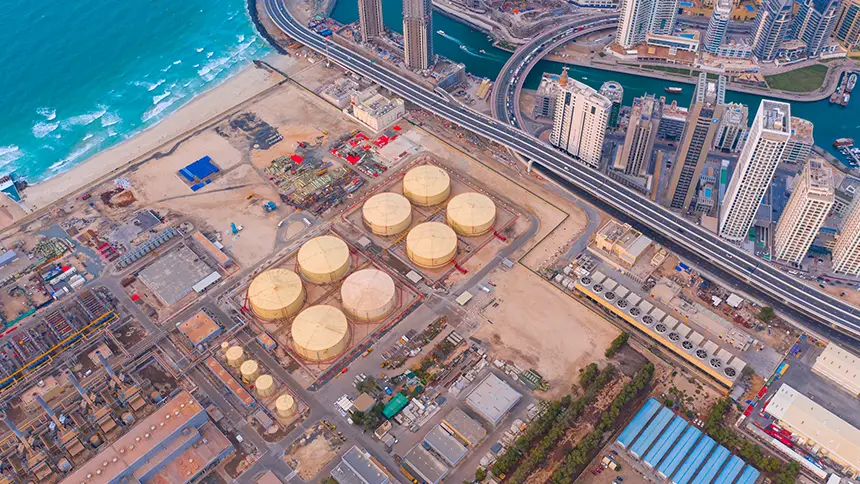
Sharjah, one of the seven emirates of the United Arab Emirates, has grown into an important centre for industry and economic development. A major reason for this progress is the establishment of well-planned economic zones across the emirate. These areas provide factories and businesses with modern infrastructure, reliable transport links, and easy access to ports and airports. Manufacturing zones in Sharjah support a wide range of industries, including textiles, food processing, plastics, and engineering, helping to diversify the economy beyond oil and trade. They also play a key role in creating jobs, developing skills among workers, and attracting investment from both local and international companies. By offering organised industrial areas and business-friendly policies, Sharjah encourages sustainable growth and long-term development. As a result, manufacturing zones have become a strong foundation for Sharjah’s economic success and its position as a leading industrial hub in the UAE.
Why Manufacturing Zones Matter
Manufacturing zones matter because they play a vital role in supporting economic growth and sustainable development. These zones are more than just production areas; they are carefully planned industrial hubs designed to help businesses operate efficiently. In Sharjah, such zones are equipped with modern infrastructure such as wide roads, reliable electricity and water supplies, warehouses, and advanced logistics facilities. Business-friendly regulations, including simplified licensing and permit processes, make it easier for companies to start and expand their operations.
Another important advantage is the clustering of industries, where factories, suppliers, and skilled workers are located close to one another, reducing costs and improving productivity. Many industrial districts are strategically positioned near ports and airports, which support export activities and global trade. By encouraging investment, creating employment, and improving industrial efficiency, these planned business areas strengthen Sharjah’s economy and support its long-term development as a major industrial hub in the UAE.
Impact on Sharjah’s Economy
Manufacturing zones have a strong impact on Sharjah’s economy by supporting industrial growth, employment, and investment. These organised business spaces create job opportunities, help develop workforce skills, and attract both local and foreign investors. They also strengthen export activities by supporting large-scale production and improving access to global markets. By concentrating industries in planned areas, industrial estates promote sustainable development, reduce environmental pressure on residential areas, and contribute to Sharjah’s long-term economic stability and diversification.
Job Creation and Skill Development
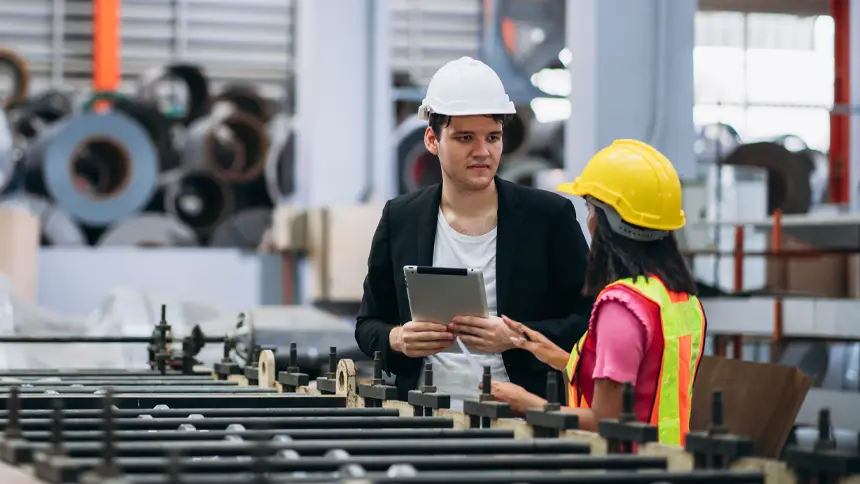
Manufacturing zones play an important role in creating employment opportunities in Sharjah. They provide jobs in sectors such as manufacturing, logistics, engineering, and administration, supporting both skilled and semi-skilled workers. Many companies within these industrial hubs offer training programmes, apprenticeships, and on-the-job learning, which help workers improve their technical and professional skills. This focus on skill development encourages knowledge transfer and prepares the local workforce for modern industrial demands. By improving employment levels and building a skilled labour force, manufacturing centres contribute to social stability and long-term economic growth in Sharjah, making the emirate an attractive place for both workers and businesses.
Encouraging Investment
Manufacturing zones in Sharjah are designed to attract local and foreign investment by offering modern infrastructure, organised industrial spaces, and business-friendly regulations. Simplified licensing processes and supportive government policies reduce barriers for companies looking to set up or expand operations. These advantages encourage investors to explore opportunities in different industries, helping Sharjah diversify its economy beyond traditional trade and services. Increased investment strengthens industrial capacity, promotes innovation, and boosts confidence in the emirate’s economic environment. As a result, designated business areas help position Sharjah as a competitive and reliable destination for industrial investment within the UAE and the wider region.
Boosting Exports
Industrial production zones significantly support Sharjah’s export activities by enabling large-scale and efficient production of goods. Their strategic locations near major ports and transport networks make it easier for businesses to access international markets. Industries such as textiles, plastics, food products, and electronics benefit from reduced transportation costs and faster delivery times. This improves Sharjah’s competitiveness in global trade and strengthens its reputation as an export-oriented industrial hub. By increasing export volumes and supporting trade partnerships, manufacturing clusters contribute to higher revenue generation and help integrate Sharjah more strongly into the global economy.
Sustainable Growth
Sustainable development is a key benefit of industrial development zones in Sharjah. By concentrating economic activities in designated areas, these planned production zones reduce pollution and congestion in residential neighbourhoods. Many zones follow modern environmental standards, promoting efficient energy use, waste management, and recycling practices. This organised approach helps protect natural resources while supporting economic expansion. Sustainable manufacturing practices also encourage responsible business behaviour and long-term planning. As Sharjah continues to balance economic growth with environmental protection, planned development regions play a vital role in ensuring that progress remains organised, efficient, and beneficial for future generations.
Key Industrial Areas in Sharjah
Sharjah is home to several key industrial centres that play an important role in its economic growth and development. The Sharjah industrial Area is one of the largest and oldest industrial hubs in the emirate, supporting light and medium industries such as manufacturing, repair services, and small factories. Another major zone is the Hamriyah Free Zone, which focuses on logistics, manufacturing, and export-oriented businesses, benefiting from its location near the coast and seaport.
The Sharjah Airport International Free Zone (SAIF Zone) is also highly important, as it supports international trade and manufacturing through easy access to air cargo facilities. These free zones offer modern infrastructure, organised industrial spaces, and business-friendly policies that attract both local and foreign companies. Together, these key areas help create jobs, support exports, and strengthen Sharjah’s position as a leading industrial centre in the UAE.
Conclusion
Manufacturing zones play a vital role in supporting Sharjah’s vision for economic growth, diversification, and long-term stability. By offering modern infrastructure, well-planned business spaces, and business-friendly policies, these industrial ecosystems create a strong environment for industries to grow and succeed. They help attract local and international investment, increase production output, and support a wide range of sectors beyond traditional trade.
Manufacturing zones also contribute to job creation and skill development, ensuring that the workforce is prepared for the needs of a modern economy. In addition, their strategic locations near ports and airports strengthen Sharjah’s role in regional and global trade. By concentrating activities in organised areas, these strategically planned zones promote sustainable development and reduce pressure on residential communities. Overall, Sharjah’s success shows how careful planning and continuous investment can drive economic progress and support a balanced, future-ready economy.