Jebel Ali Port, located in Dubai, is one of the largest and most important ports in the United Arab Emirates. It serves as a gateway for goods coming into and leaving the country, making it a key part of global trade. The facility is strategically situated on the coast, allowing easy access for ships from around the world. Its modern infrastructure, including deep-water berths and advanced container handling systems, ensures that trade operations run smoothly and efficiently. The terminal not only supports the movement of goods but also plays a major role in creating jobs and supporting industries such as shipping, logistics, and manufacturing. As part of a free trade zone, it attracts international businesses and encourages investment in the UAE. Overall, the harbour is more than just a docking place for ships; it is the backbone of the country’s economy and global trade connections.
Location and Size
The facility is located in the emirate of Dubai, along the southern coast of the United Arab Emirates. Its location is very important because it lies on the main trade route connecting Asia, Europe, and Africa. This strategic position makes it easier for ships from all over the world to reach the port complex quickly and efficiently. The dockyard is also one of the largest in the world, covering a vast area with multiple terminals and berths to handle a huge number of vessels at the same time. Its size allows it to manage millions of containers every year, making it a central hub for imports and exports in the region. The facility’s location and large capacity not only help Dubai maintain strong trade links globally but also strengthen the UAE’s position as a leading centre for international commerce and logistics.
Infrastructure and Facilities
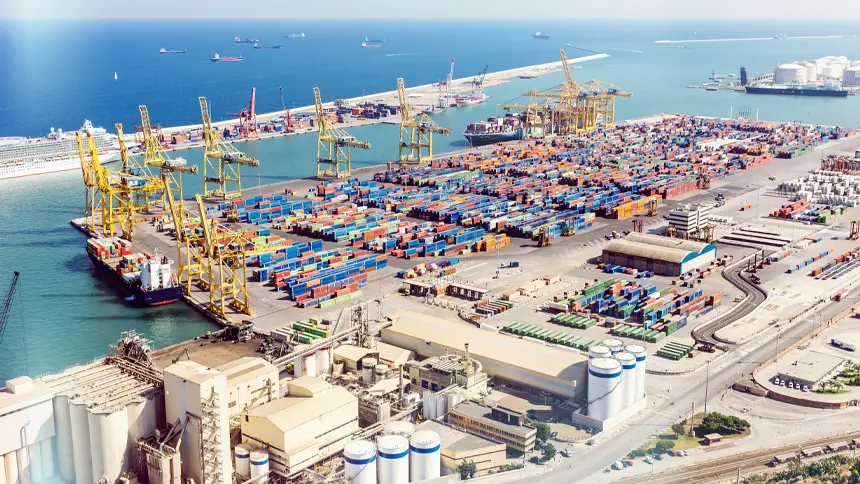
The terminal is known for its modern and well-developed infrastructure, which makes it one of the most efficient shipping hubs in the world. It has modern container terminals that can handle a large number of containers every day, ensuring smooth import and export operations. The dockyard also has deep-water berths, which allow even the largest ships to dock safely without any difficulties. This feature is very important because it means the facility can handle heavy international cargo and big vessels. In addition, the harbour uses advanced cargo handling technology, including automated cranes and tracking systems, to speed up the loading and unloading process. These facilities help reduce waiting times for ships and improve overall efficiency. With its state-of-the-art infrastructure and technology, the port complex continues to be a key hub for trade, logistics, and global commerce in the UAE.
Role in the UAE’s Economy
The terminal plays a very important role in the economy of the United Arab Emirates. Every year, it handles millions of containers, carrying goods from different countries and distributing them across the UAE and beyond. This makes the harbour a key centre for both imports and exports, helping local businesses receive materials they need and send products to international markets. The facility also supports the logistics sector, which includes transportation, warehousing, and shipping services, creating a smooth flow of goods across the country. Furthermore, the dockyard provides many employment opportunities, from workers handling cargo to managers and engineers operating advanced equipment. Its growth has also encouraged the development of related industries such as manufacturing, trade, and supply chain services. Overall, the terminal is not just a place for ships; it is a driving force behind economic growth, business development, and job creation in the UAE.
Global Trade Connectivity
The harbour is a key link between the United Arab Emirates and major international markets around the world. Its strategic location allows goods to be transported quickly and efficiently to countries in Asia, Europe, Africa, and beyond. This strong connectivity makes it easier for businesses in the UAE to trade with global partners and expand their markets. The facility is also part of special free trade zones, where companies can operate with fewer restrictions, enjoy tax benefits, and import or export goods more easily. These zones attract international businesses and encourage foreign investment in Dubai and the wider UAE. As a result, the dockyard not only strengthens the country’s position in global trade but also boosts economic growth and innovation. By connecting the UAE to the world and supporting business opportunities, the terminal plays a vital role in shaping the nation’s economic future.
Future Developments
The port complex continues to grow and plans for the future to remain one of the world’s leading shipping hubs. There are ongoing expansion plans to increase its capacity, allowing it to handle even more ships and containers each year. Alongside this, the facility is investing in technological upgrades, including modern automated systems and smart tracking tools, to make operations faster and more efficient. Sustainability is also a key focus, with initiatives aimed at reducing energy consumption, lowering emissions, and protecting the surrounding environment. These efforts help ensure that the terminal operates in an eco-friendly way while supporting economic growth. By expanding, upgrading technology, and promoting sustainability, the harbour is preparing to meet the demands of global trade in the future. These developments will strengthen its role as a major hub for international shipping and continue to boost the UAE’s economy.
Conclusion
In conclusion, Jebel Ali Port is one of the most important ports in the United Arab Emirates and plays a vital role in global trade. Its strategic location, modern infrastructure, and advanced technology make the facility a key hub for importing and exporting goods efficiently. The harbour handles millions of containers each year, supporting industries such as logistics, shipping, and manufacturing while creating numerous employment opportunities. By connecting the UAE to major international markets and encouraging foreign investment through free trade zones, the dockyard strengthens the country’s position in global commerce. Its future developments, including expansion plans and sustainability initiatives, show that the terminal is ready to meet growing trade demands. Overall, Jebel Ali Port is more than just a port; it is the backbone of the UAE’s economy, driving Dubai’s and the nation’s economic growth, and securing the country’s role as a leading centre for international trade.