Experiential marketing is a modern marketing approach that focuses on creating memorable experiences that allow people to interact directly with a brand. Instead of only seeing advertisements, consumers actively participate in events, activities, or installations that help them connect emotionally with a brand. In today’s competitive market, immersive experiences are especially important because they make organisations more engaging, meaningful, and easier to remember. Such experiences encourage customers to build trust and loyalty, as they feel personally involved rather than simply targeted by promotions.
The Emirates has become a leading destination for experience-based branding due to its strong focus on innovation, creativity, and luxury. Cities such as Dubai and Abu Dhabi are known for hosting large-scale brand events, interactive exhibitions, and high-end product launches. With world-class venues, advanced technology, and a diverse international audience, the Emirates offers the perfect environment for companies to create immersive events that leave a lasting impression on consumers.
Understanding Experiential Marketing
Experiential marketing is a marketing strategy that focuses on creating direct and meaningful experiences between a brand and its audience. Instead of simply telling people about a product or service, this interactive promotional approach allows them to engage with the company through activities, events, or hands-on experiences. This method is different from traditional marketing, which mainly relies on advertisements such as television commercials, posters, or online banners that deliver one-way messages.
Experience-based promotion, on the other hand, encourages two-way interaction, making consumers active participants rather than passive viewers. A key feature of immersive promotional strategies is emotional and sensory engagement. By appealing to the senses such as sight, sound, touch, taste, and smell, organisations can create strong emotional connections with consumers. These emotions help people remember the label for a longer time and develop positive feelings towards it, leading to trust and loyalty.
Why the Emirates Are Ideal for Immersive Brand Events
The Emirates is an ideal location for immersive brand events due to its strong tourism industry and global audience. Every year, millions of visitors from different countries travel to the region, giving organisations the opportunity to reach people from around the world in one place. The Emirates also offers world-class infrastructure and modern event venues, including luxury hotels, large exhibition centres, and iconic shopping malls, which are perfect for hosting creative and interactive promotional experiences.
In addition, the population in the Emirates is highly active on digital platforms, with social media playing an important role in daily life. This high level of digital engagement helps campaigns gain wider online visibility through sharing and user-generated content. Furthermore, the Emirates has a multicultural population and a lifestyle-driven economy that values fashion, technology, entertainment, and luxury, making immersive corporate communication strategies both appealing and effective for diverse audiences.
Types of Immersive Brand Events in the Emirates
There are many types of immersive brand events in the Emirates that help organisations connect with audiences in creative ways. Pop-up experiences are very popular and are often set up in shopping malls or busy public spaces for a short time, creating excitement and curiosity. Interactive exhibitions and installations allow visitors to explore products or ideas through hands-on activities, making learning more enjoyable.
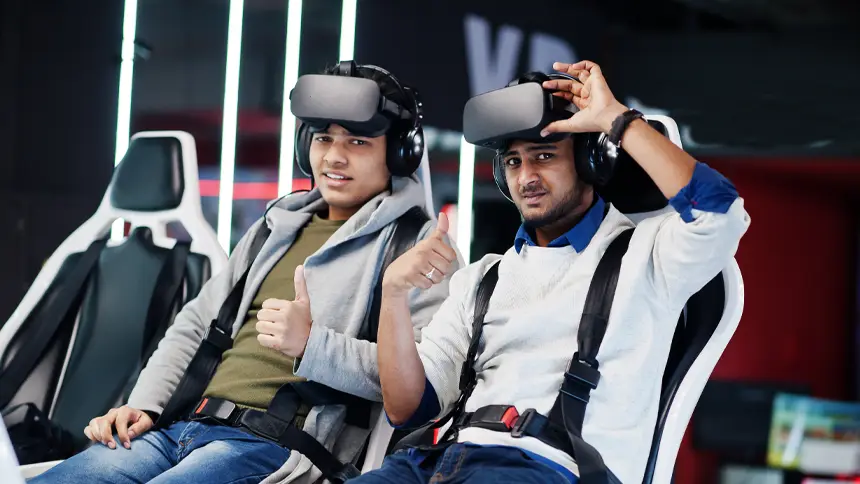
Luxury product launch events are also common, as high-end companies use stylish venues and exclusive experiences to attract attention and reflect their premium identity. Cultural and festival-based promotional activities are organised during special occasions such as National Day or Ramadan, where companies blend marketing with local traditions and celebrations. In addition, technology-driven experiences using augmented reality (AR) and virtual reality (VR) are increasingly used to create innovative and futuristic interactions, strengthening experience-led promotional campaigns.
Key Elements of Successful Experiential Marketing Events
Successful brand events depend on several important elements that help create meaningful connections with audiences. One key element is multi-sensory engagement, where organisations appeal to sight, sound, touch, and sometimes taste to make the experience more enjoyable and memorable. Storytelling and a clear corporate narrative are also important, as they help communicate values and messages in an interesting and relatable way.
Personalisation and audience interaction allow visitors to feel involved, making the experience more engaging rather than passive. In addition, integrating digital platforms and social media helps extend the event’s reach, as participants often share photos, videos, and feedback online. Cultural relevance and local sensitivity are especially important in the Emirates, where respecting traditions and customs helps companies build trust. When combined effectively, immersive promotional experiences leave a lasting impression on consumers.
Role of Technology in Immersive Experiences
Technology plays a vital role in creating immersive experiences that attract and engage modern audiences. One of the most important technological tools used in Experiential marketing is augmented reality (AR) and virtual reality (VR). These technologies allow people to interact with digital content in real time, offering virtual product trials or simulated environments that feel realistic and exciting.
Interactive screens and smart installations are also widely used at events, enabling visitors to explore information, play games, or customize products through touch and movement. In addition, social media integrations and live content sharing help extend the impact of immersive experiences beyond the event space. Participants often share their experiences through photos, videos, and live streams, increasing online visibility and audience engagement, which strengthens technology-enabled business storytelling.
Impact on Consumer Behaviour
Experiential marketing has a strong impact on consumer behaviour by changing the way people perceive and interact with a brand. One major effect is increased awareness, as immersive events attract attention and help organisations stand out in a crowded market. These experiences also create strong emotional connections with consumers, as people are more likely to remember companies that make them feel excited, valued, or entertained.
In addition, interactive promotional experiences encourage user-generated content, as participants often share photos, videos, and opinions on social media, spreading the message to a wider audience. Such shared experiences make the organisation feel more authentic and trustworthy. Most importantly, immersive events can influence purchasing decisions, as positive experiences often lead consumers to choose the same brand in the future.
Challenges in Experiential Marketing
Experiential marketing offers many benefits, but it also comes with several challenges for organisations. One major challenge is the high cost of event execution, as immersive experiences often require advanced technology, creative designs, skilled staff, and premium venues. Measuring return on investment (ROI) can also be difficult, because the success of an event is not always shown through immediate sales and may involve long-term awareness or customer loyalty.
In addition, managing logistics and large audiences can be complex, especially in busy locations where crowd control, safety, and smooth coordination are essential. Ensuring consistent messaging is another challenge, as the experience must clearly reflect the corporate identity across all activities and platforms. Without careful planning, experience-based campaigns may fail to achieve their intended goals.
Future Trends in Experiential Marketing in the Emirates
The future of Experiential marketing in the Emirates is expected to focus on innovation, responsibility, and deeper audience engagement. One important trend is the rise of sustainable and eco-friendly events, where companies reduce waste, use recyclable materials, and promote environmental awareness. Hybrid physical and digital experiences are also becoming more popular, as organisations combine in-person events with online activities to reach wider audiences.
Data-driven personalisation is another growing trend, allowing businesses to use consumer data to create experiences that match individual interests and preferences. In addition, community-focused activations are gaining importance, as companies aim to build stronger relationships by supporting local culture and social causes. These developments show how immersive promotional practices are evolving in the region.
Conclusion
Experiential marketing plays an important role in today’s competitive business environment by helping organisations create meaningful and memorable connections with consumers. By offering interactive and engaging experiences, companies can move beyond traditional advertising and build stronger emotional relationships with their audiences. Immersive events help shape a clear and positive brand identity by allowing consumers to experience values, creativity, and messages firsthand. In the Emirates, where innovation, luxury, and lifestyle experiences are highly valued, such strategies have become powerful marketing tools. Looking ahead, experience-driven business strategies in the Emirates are expected to continue evolving through technology, sustainability, and community-focused initiatives, ensuring long-term trust, loyalty, and success.