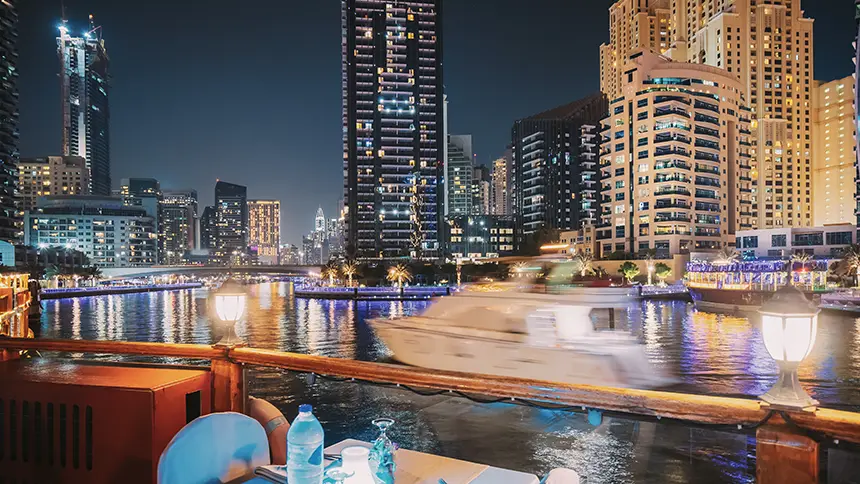
Dubai is known for its tall skyscrapers, luxury lifestyle, and rapid development, but behind this glittering image lies a serious challenge, food security. The city is built on desert land with very limited natural resources, making farming almost impossible using traditional methods. The soil is dry, the weather is extremely hot, and water is very limited. Because of this, this city imports almost all of its food from other countries.
To solve this problem, this city has turned to modern technology and innovative solutions like Controlled Environment Agriculture. This is a way of growing plants indoors in stacked layers, often inside controlled environments such as warehouses or greenhouses, using less land and less water. Here, this modern farming technology is not just a trend but a necessity.
What is Vertical Farming?
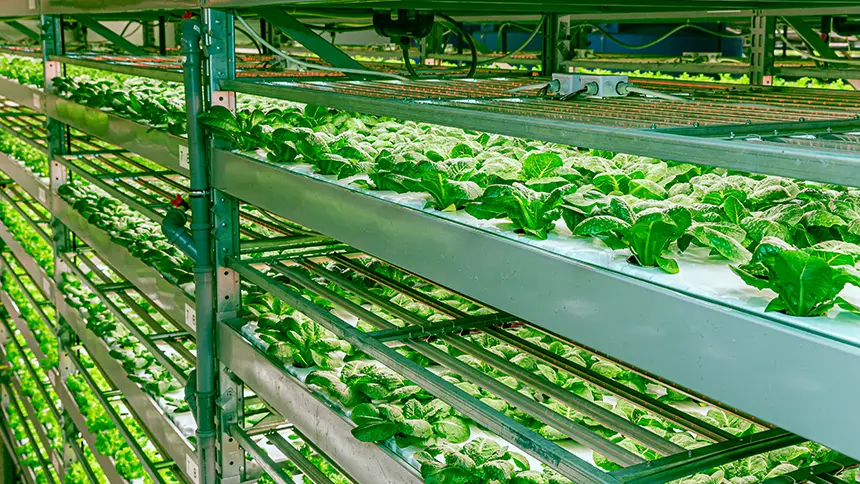
It is a simple idea. Instead of growing crops across wide fields, the plants are grown in tall layers, one above another. This is done inside buildings such as warehouses or greenhouses.
- Plants grow without soil. Instead, they are grown in water mixed with nutrients (hydroponics) or sprayed with nutrients (aeroponics).
- The temperature, light, and humidity are controlled by machines.
- Crops can grow faster because the environment is always perfect.
This system makes it possible to grow food in places where normal agriculture cannot work, like Dubai’s hot desert.
Why Does Dubai Need Vertical Farming?
Dubai depends on imported food for almost 90% of its needs. This makes it risky because if transport stops or prices go up, people will face problems. The desert is not good for farming, so this city needs new solutions.
Vertical Cultivation is helpful in many ways:
- It saves water, which is very important in the desert.
- It grows crops all year round, even during very hot summers.
- It reduces the need to import food from other countries.
- It provides fresh vegetables directly to the people living in the city.
Examples of Vertical Farming in Dubai
Dubai has already started building some of the biggest vertical farms in the world.
- Bustanic Vertical Farm – Produces over one million kilograms of leafy greens every year.
- Emirates Flight Catering & Crop One Farm – Supplies fresh greens for Emirates Airlines to serve on flights.
- Badia Farms – The first commercial vertical farm in the UAE, growing microgreens for restaurants and hotels.
- Pure Harvest Smart Farms – Specializes in fruits like strawberries and tomatoes using advanced technology.
These projects show that Dubai is serious about building its own edible resources.
Benefits
Water Conservation
One of the greatest benefits of vertical agriculture in Dubai is water conservation. Unlike traditional farming, which requires large amounts of water to grow crops, this method uses 90–95% less water. This is possible because the water is carefully recycled and reused within the system, ensuring that very little is wasted. In a desert city like Dubai, where water scarcity is one of the biggest challenges, this method provides a sustainable solution for the future.
Year-Round Production
Another major advantage is year-round production. Traditional farming in desert conditions is often limited by the harsh summer heat and unpredictable weather. Stacked Farming, however, takes place in controlled environments, allowing crops to grow throughout the year without being affected by outside conditions. This guarantees a stable and reliable supply of fresh produce for the growing population of Dubai.
Fresh and Healthy Food
Vertical farming also ensures that people have access to fresh and healthy food. Since crops are grown locally and delivered quickly, the produce reaches consumers in its freshest state. Most of these farms grow without the use of harmful pesticides or chemicals, which makes the food healthier and safer. In addition, the controlled environment helps crops retain more nutrients and flavor, improving both quality and taste.
Reduced Import Dependence
A key benefit is the reduced dependence on imports. Dubai currently imports the majority of its provisions, which makes it vulnerable to supply chain disruptions and rising costs. With vertical crop production, more food can be grown locally, reducing reliance on international markets. This not only saves money on transportation and logistics but also strengthens national food security by ensuring a consistent supply of fresh produce.
Environmentally Friendly
This method is also environmentally friendly. By producing food locally, there is less need for long-distance transportation, which helps reduce carbon emissions. The controlled environments in vertical farms minimize the use of pesticides and fertilizers, making farming more eco-friendly. This approach supports Dubai’s long-term vision of sustainability and environmental protection.
Job Creation and Innovation
This also contributes to job creation and innovation. The rise of this industry opens new opportunities in agriculture, technology, engineering, and research. Young professionals and entrepreneurs are encouraged to invest in sustainable businesses, creating a new generation of careers focused on green technology. This not only supports economic growth but also helps Dubai become a global leader in modern agriculture.
Challenges
Even though Layered farming has many benefits, it also faces some problems.
- High Costs: Building a vertical farm is very expensive because it needs advanced machines and technology.
- Energy Use: Lights, cooling, and other systems use a lot of electricity, which increases costs.
- Limited Crops: Vertical farms are best for leafy greens and herbs. Growing large crops like rice or wheat is still difficult.
- Technical Risks: If the machines stop working, the crops may get damaged quickly.
- Consumer Trust: Some people still prefer food grown in soil and may hesitate to buy crops from vertical farms.
Government Support and Vision
The Dubai government strongly supports modern farming. It has created the National Food Security Strategy 2051, which aims to make the UAE one of the best in food technology. The government also encourages investment in smart farming, hydroponics, and vertical farming. By promoting these ideas, Dubai is working towards a future where the city can produce its own food, save water, and reduce harm to the environment.
Future of Vertical Farming in Dubai
The future looks bright for vertical cultivation in Dubai. Technology is improving every year, and costs are slowly coming down. Some future trends include:
- Using solar energy to power farms and reduce electricity costs.
- Introducing AI and robots to manage planting, watering, and harvesting.
- Growing a wider variety of crops, including more fruits and vegetables.
- Partnering with supermarkets to sell fresh produce directly to customers.
- Becoming a hub for exporting high-quality, sustainable food to other countries in the region.
If these plans succeed, Dubai could become a global leader in smart farming.
Conclusion
Vertical farming is changing the way food is grown in Dubai. Instead of depending fully on imports, the city is now producing fresh vegetables and fruits in the middle of the desert. This system saves water, produces food all year, and supports the city’s vision for a green and sustainable future.
Of course, there are still challenges like high costs and energy use. But with strong government support and new technology, vertical cultivation will only get better. In the future, these farms might become common everywhere. In short, this helps Dubai grow food in the desert, using less water, less space, and providing fresh food close to the people. It shows how technology can solve big problems and make life better for everyone.