Fujairah, located on the eastern coast of the United Arab Emirates, is known for its natural beauty, mountainous landscape, and agricultural traditions. Unlike many other regions in the country, Fujairah benefits from the Hajar Mountains, which create a favourable environment for farming and beekeeping. One of the most valued natural products from this region is mountain honey. Along with this, Fujairah also produces a variety of fresh fruits, vegetables, and traditional food items. These products play an important role in the local food culture and support the livelihoods of many communities.
The Significance of Mountain Honey
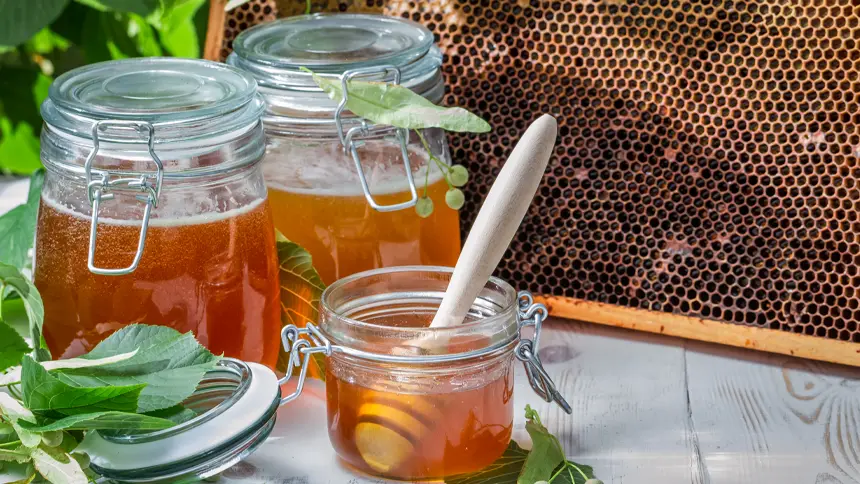
Highland Nectar from Fujairah is widely appreciated for its purity, taste, and nutritional value. Bees collect nectar from wild plants and flowers found in the mountain areas, which gives the nectar a rich flavour and unique aroma.
Why Mountain Honey is Special
It is produced from a rich variety of wildflowers and herbs found in natural environments, giving it a distinct flavour and aroma. It is completely free from artificial additives, making it a pure and natural choice. This nectar is known for its thick texture and strong taste, which reflects the diversity of plants from which it is derived. It is also often darker compared to regular nectar, indicating its richness and concentration.
Health Benefits
It offers several health benefits that make it valuable in everyday use. It helps support the immune system and provides a natural source of energy, making it a healthy alternative to processed sweeteners. It is also commonly used to soothe sore throats and improve overall comfort during illness. In addition, it contains antioxidants that contribute to general wellness. Because of these benefits, it is widely used both as a food ingredient and as a natural remedy.
Traditional Beekeeping Practices
Beekeeping in Fujairah has a long history, with knowledge and skills passed down through generations of local families. Traditional practices focus on working in harmony with nature, using wooden or natural hives and placing them in areas abundant with vegetation. Beekeepers carefully avoid disturbing the colonies and harvest honey seasonally to maintain its quality. These methods not only ensure the production of high-quality nectar but also help protect the environment and preserve the delicate balance of the local ecosystem.
Types of Mountain Honey in Fujairah
Fujairah offers different types of nectar depending on the plants from which bees collect nectar. Each type has its own flavour and characteristics.
Common Varieties
- Sidr Honey: Known for its rich taste and high value
- Wildflower Honey: A mix of different floral sources with a balanced flavour
- Herbal Honey: Naturally influenced by medicinal plants in the region
These varieties are popular among both locals and visitors.
Local Agricultural Produce of Fujairah
In addition to honey, Fujairah is also known for its agricultural products. The availability of water and fertile soil in certain areas allows farmers to grow a variety of crops.
Major Crops Grown
- Dates: A staple food widely cultivated
- Mangoes: Sweet and seasonal fruits
- Guavas: Fresh and nutritious
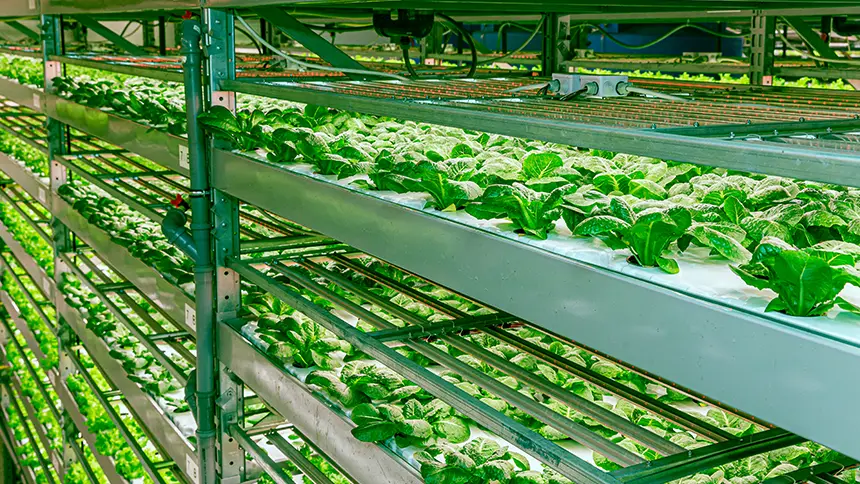
- Vegetables: Including tomatoes, cucumbers, and leafy greens
These products are often sold fresh, ensuring good quality and taste.
The Role of Local Markets
Local markets play a vital role in promoting mountain honey and agricultural products in Fujairah. They serve as a direct link between farmers and consumers, allowing fresh, seasonal items to reach buyers quickly. These markets also help preserve traditional trading practices, providing an authentic experience of local culture. Beyond food sales, they offer a space where people can engage with the community, learn about regional specialities, and enjoy the unique flavours that define Fujairah’s agricultural heritage. By connecting producers and customers directly, these markets strengthen the local economy and foster a sense of trust and transparency in food sourcing.
Economic Importance
Highland honey and local produce contribute significantly to Fujairah’s economy by providing income and employment opportunities for many families. Small-scale farmers and beekeepers rely on the sales of these products to sustain their livelihoods, while local businesses benefit from the growth of related trade. Additionally, these products attract tourists who are interested in authentic and natural goods, creating further economic opportunities. The promotion of environmentally friendly farming and beekeeping practices also aligns with broader economic goals, encouraging sustainable development while ensuring that the market remains competitive and resilient.
Sustainability and Environmental Impact
Sustainability is a core principle in Fujairah’s honey production and agriculture. Farmers and beekeepers prioritise protecting the natural environment to maintain long-term productivity. Sustainable practices include protecting bee populations, using organic and natural farming methods, conserving water resources, and avoiding harmful chemicals. These approaches not only ensure the health of the ecosystem but also enhance the quality of nectar and produce. By maintaining an ecological balance, producers can continue harvesting resources without causing environmental degradation, preserving Fujairah’s natural beauty and biodiversity for future generations.
Cultural Value of Honey and Produce
Mountain honey and locally grown food are deeply embedded in Fujairah’s culture and daily life. Nectar is traditionally offered as a symbol of hospitality, while dates play a key role in religious and festive occasions. Fresh fruits and vegetables are central to everyday meals, reflecting the region’s emphasis on healthy, natural foods. Moreover, traditional recipes using local ingredients are passed down through generations, maintaining a connection to heritage and culinary identity. These cultural practices highlight how food in Fujairah is not merely for nourishment but also a way to celebrate traditions and strengthen social bonds within the community.
Challenges Faced by Producers
Despite its importance, producing nectar and agricultural goods in Fujairah comes with challenges. Changing climate conditions can affect flowering cycles, water availability, and bee activity, while limited water resources constrain crop growth. Producers also face competition from imported products that may be cheaper or more widely available, making it harder for local goods to reach consumers. Maintaining consistent quality is another ongoing concern, especially for small-scale operations that rely on traditional methods. Addressing these challenges is essential to ensure the continued growth and sustainability of Fujairah’s honey and agricultural sectors.
Future Prospects
The future of Highland honey and local produce in Fujairah appears promising, as demand for natural, healthy, and locally sourced foods continues to rise. Expansion of organic farming practices and growth of local markets will provide producers with new opportunities to reach consumers. Increased interest in exports may also open international markets for premium Nectar and speciality crops. At the same time, modern eco-friendly techniques can improve efficiency while preserving traditional methods. These trends suggest that Fujairah’s agricultural sector will continue to thrive, balancing economic growth, cultural heritage, and environmental sustainability.
Conclusion
Mountain honey and local produce of Fujairah represent a valuable combination of nature, tradition, and sustainability. The rich flavour of nectar and the freshness of locally grown fruits and vegetables reflect the unique environment of the region. They support communities, preserve cultural practices, and contribute to economic development. At the same time, they promote healthier lifestyles by offering natural and nutritious food options.