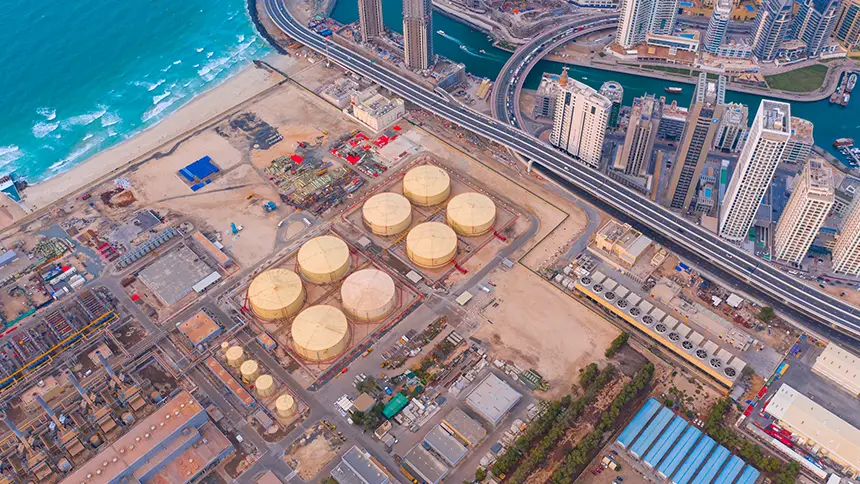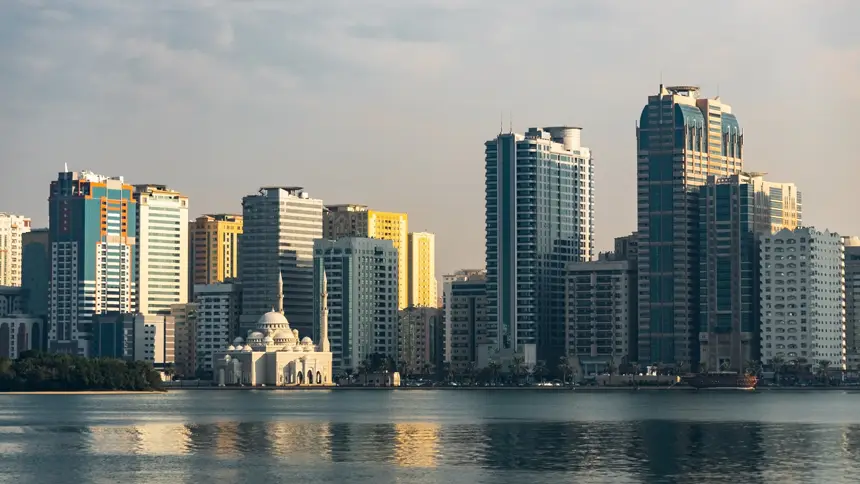
Sharjah’s vision for economic development focuses on building a diversified, sustainable, and knowledge-driven economy that supports long-term growth and social well-being. As one of the key emirates of the United Arab Emirates, the region has reduced its dependence on oil by developing strong non-oil sectors such as manufacturing, trade, education, tourism, and culture, which together contribute more than 90% of its GDP. The emirate is known for its well-planned industrial areas and free zones, which attract local and international businesses and create thousands of jobs. The city also places great importance on education, innovation, and research, earning it the title of the Cultural Capital of the Arab World. At the same time, the government promotes sustainable development, environmental protection, and a high quality of life for residents. Through careful planning and responsible policies, the local government’s economic vision supports balanced growth while preserving its rich cultural identity and supporting future generations.
Economic Diversification Beyond Oil
Economic diversification beyond oil is a key part of the emirate’s long-term development strategy. Unlike many oil-dependent economies, the region has focused on strengthening non-oil sectors, which now account for the majority of its economic activity. This area has expanded manufacturing and industrial industries through well-developed industrial areas and free zones, making it a major centre for production and exports in the UAE. At the same time, the government has encouraged growth in trade, logistics, and service sectors, supported by its strategic location and modern ports and airports.
Officials also promote tourism, education, and creative industries, which contribute to cultural growth and employment opportunities. Small and medium-sized enterprises (SMEs) play a strong role in this diversified economy, supporting innovation and job creation. By reducing reliance on oil revenues, the leadership is building a stable, sustainable, and resilient economy that can grow steadily and adapt to future challenges.
Strong Industrial and Manufacturing Base
A strong industrial and manufacturing base is central to the emirate’s vision for economic development. The city is home to several well-planned industrial areas and free zones, such as Hamriyah Free Zone and Sharjah Airport International Free Zone, which provide modern infrastructure and business-friendly facilities. The region supports both light and heavy manufacturing, including food processing, plastics, metals, chemicals, and construction materials. These industries benefit from competitive production costs, efficient transport links, and easy access to regional and global markets, helping the area become an important export hub in the UAE.
The industrial sector also plays a major role in job creation, offering employment opportunities for both skilled professionals and unskilled workers. By encouraging industrial growth and manufacturing innovation, the leadership strengthens its non-oil economy and boosts productivity. This strong industrial foundation supports long-term economic stability and helps the emirate remain competitive in a rapidly changing global economy.
Investment-Friendly Business Environment
An investment-friendly business environment is a key strength of the emirate’s economic development vision. The local government actively encourages both local and foreign investors by offering supportive government policies and a stable regulatory framework. The area is known for its investor-friendly regulations, transparency, and ease of doing business, which help build trust and confidence among businesses. To make company formation simple, officials provide one-stop services for business setup, reducing paperwork and saving time for entrepreneurs. Free zones offer attractive incentives, such as full foreign ownership, tax benefits, and modern infrastructure, making them ideal for startups and international companies. Organisations like Invest in Sharjah play an important role by guiding investors, promoting opportunities, and supporting business growth. By creating a welcoming and efficient business environment, the emirate attracts global investment, supports economic diversification, and strengthens its position as a competitive business hub in the UAE.
Focus on Innovation and Knowledge Economy
A strong focus on innovation and the knowledge economy is essential to the emirate’s long-term economic growth. The leadership believes that education, technology, and creativity are key drivers of a successful future economy. The city actively supports research, modern technology, and startups through business incubators, innovation centres, and government-backed programmes. It is home to several well-known universities and academic institutions, which help develop skilled human capital and encourage research and learning. The promotion of entrepreneurship and innovation hubs, such as Sharjah Research, Technology and Innovation Park, provides young entrepreneurs with opportunities to turn ideas into successful businesses.
Officials also place great importance on digital transformation, encouraging the use of smart technologies, digital services, and online platforms across different sectors. By investing in knowledge, innovation, and education, the emirate is building a future-ready economy that supports sustainable development, creates high-quality jobs, and strengthens its position as a leading knowledge-based economy in the UAE.
Strategic Infrastructure Development
Strategic infrastructure development plays a vital role in supporting the emirate’s economic ambitions. The region has invested heavily in modern infrastructure to ensure smooth business operations and long-term growth. It benefits from advanced transport and logistics networks, including well-connected road systems that link it to other emirates and neighbouring countries. Its well-developed ports, airports, and highways make the movement of goods and people faster and more efficient, strengthening the city’s role as a regional trade and logistics hub.
The growth of industrial and commercial real estate, such as warehouses, factories, offices, and business parks, provides suitable spaces for companies to expand and operate effectively. The leadership also focuses on smart city development and sustainable urban planning, using technology to improve services while protecting the environment. These infrastructure developments support economic diversification, attract investment, and improve the overall quality of life for residents and businesses.
Sustainability and Balanced Growth
Sustainability and balanced growth are central to the emirate’s vision for economic development. The region aims to achieve progress while protecting the environment and preserving its cultural heritage. Authorities encourage environment-friendly industrial practices, ensuring that industries reduce pollution and use resources responsibly. The government also supports renewable energy projects and resource conservation, promoting efficient use of water, energy, and natural materials. In addition, the leadership follows balanced urban growth, carefully planning cities and communities to protect historic areas, cultural landmarks, and natural spaces.
This approach helps maintain the area’s unique identity while allowing modern development. By focusing on sustainability, the emirate strengthens its long-term economic resilience, ensuring that future generations can benefit from continued growth and a healthy environment. Through responsible planning and green initiatives, the city sets an example of how economic development and environmental protection can work together to create a stable and sustainable future.
Social Development and Quality of Life
Social development and quality of life are closely connected to the emirate’s economic growth strategy. Officials believe that economic progress is meaningful only when it improves people’s lives. The region focuses on employment generation and workforce development by creating job opportunities across industrial, service, and knowledge sectors, while also improving skills through training programmes. The government makes strong investments in healthcare and education, ensuring access to quality hospitals, schools, and universities for residents.
The city is also known for offering an affordable cost of living and a safe, family-friendly environment, making it an attractive place to live and work. Most importantly, the leadership promotes inclusive growth, ensuring that development benefits all communities, including nationals and expatriates. By linking economic success with social well-being, the emirate creates a balanced society where people can enjoy stability, opportunity, and a high quality of life.
Conclusion
Sharjah’s vision for economic development reflects a careful balance between modern growth and cultural preservation. By focusing on economic diversification, the emirate reduces dependence on oil and strengthens sectors such as manufacturing, trade, tourism, and education. Its commitment to innovation and the knowledge economy encourages research, technology, and entrepreneurship, preparing the region for a future driven by skilled talent and digital transformation. The government’s emphasis on strategic infrastructure, sustainability, and social development ensures that growth is environmentally responsible, inclusive, and beneficial to all residents. Through investment-friendly policies, industrial development, and quality-of-life initiatives, the city attracts global businesses while creating employment and opportunities for its people. Overall, the leadership’s forward-looking strategies are building a resilient, sustainable, and competitive economy, making the emirate a model for long-term prosperity in the UAE and beyond.