Ras Al-Khaimah’s cuisine is a wonderful example of how nature, tradition, and culture come together to shape local food habits. Located between the mountains, desert, and the Arabian Gulf, the emirate has long depended on locally available ingredients such as fresh seafood, dates, grains, and meat. For generations, Emirati families in the northern emirate have used these ingredients to prepare healthy, flavourful dishes suited to the climate and lifestyle of the region. Fishing, farming, and animal herding have played an important role in daily life, influencing what people eat and how food is cooked. Traditional spices and herbs further enhance the taste of local dishes while preserving their cultural identity. Today, the use of local ingredients in this part of the UAE not only reflects the emirate’s heritage but also supports sustainability and local farmers. This strong connection to local produce keeps Emirati food traditions alive and meaningful.
Influence of Geography on Local Food
The geography of the northern emirate has a strong influence on its local food and traditional cuisine. The region is unique because it has mountains, a long coastline along the Arabian Gulf, and wide desert areas, all of which provide different natural resources. The coastal areas support fishing, making fresh seafood such as fish and shrimp an important part of daily meals. The fertile plains near the mountains allow farming of dates, vegetables, and grains, which are commonly used in Emirati dishes. In the desert, animal herding has encouraged the use of camel, goat, and lamb meat, especially during festivals and family celebrations. These natural landscapes have shaped not only what people eat but also how food is prepared, with methods such as grilling, drying, and slow cooking. As a result, the emirate’s culinary scene clearly reflects its geography, climate, and traditional way of life.
Seafood from the Arabian Gulf
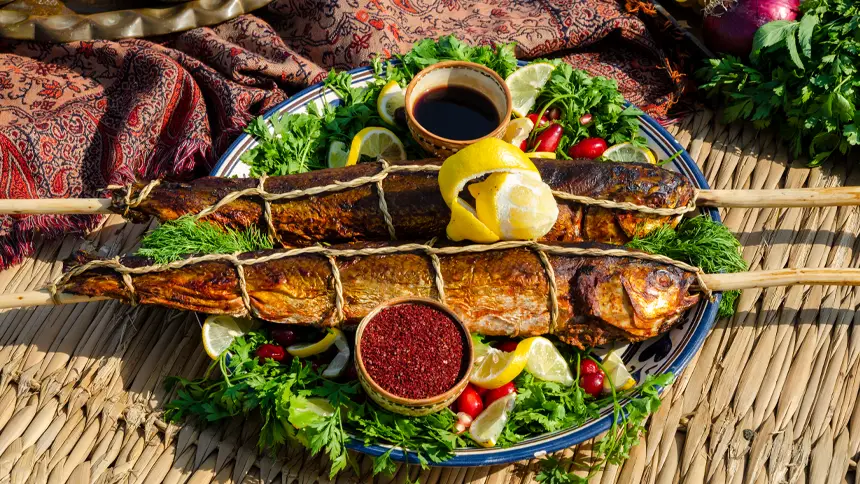
Seafood from the Arabian Gulf plays a very important role in the region’s traditional cuisine. For many years, fishing has been a major occupation for local communities living along the coast. Fresh fish such as hamour, kingfish, and shrimp are commonly used in everyday meals as well as special occasions. These types of seafood are valued for their taste, nutritional benefits, and easy availability. Fish is often grilled over an open flame, dried to preserve it for longer periods, or cooked with local spices to enhance its flavour. Traditional cooking methods help keep the natural taste of the fish while making it suitable for the hot climate. The strong use of seafood in local dishes clearly reflects the area’s long fishing tradition and close relationship with the sea, which continues to shape the community’s food culture today.
Dates: A Staple Ingredient
Dates are one of the most important and cherished ingredients in the northern emirate’s cuisine. These sweet fruits grow abundantly in the date palms and have been a staple food for centuries. Dates are very versatile and are used in a variety of dishes, including traditional desserts, sweet treats, and even savoury meals. They can be eaten fresh straight from the palm or dried for longer storage, making them an essential part of daily life and festive occasions. Beyond their taste and nutritional value, dates hold a deep cultural significance in this part of the UAE. They are a symbol of hospitality, often offered to guests as a welcoming gesture, and are closely associated with Emirati traditions and heritage. The use of dates in local cuisine not only preserves traditional flavours but also highlights the area’s rich agricultural history.
Locally Grown Grains and Crops
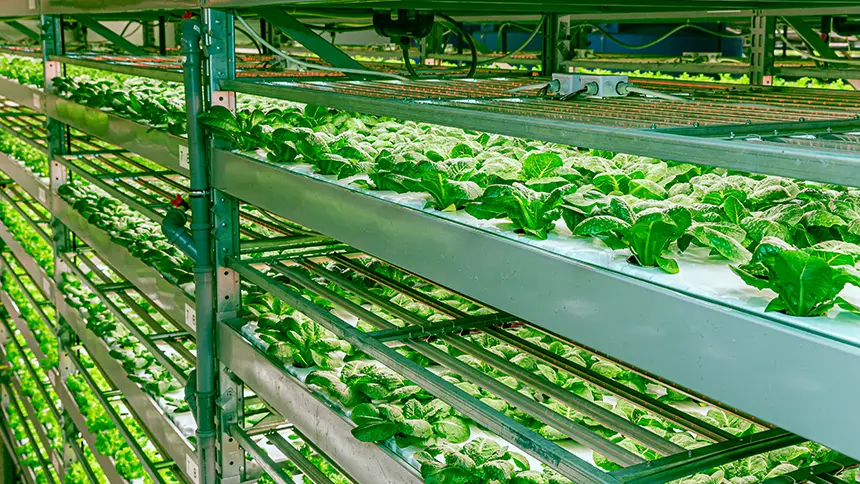
Locally grown grains and crops are a vital part of the emirate’s traditional cuisine. The fertile lands near the mountains and oases allow farmers to cultivate wheat, rice, and a variety of vegetables that form the foundation of many Emirati dishes. Wheat is commonly used to make bread and pastries, while rice is a key ingredient in popular main courses such as kabsa and machboos. Fresh vegetables grown locally add flavour, colour, and nutrition to meals, ensuring that food is both healthy and wholesome. Traditional farming not only supports local cuisine but also promotes sustainable food practices by reducing reliance on imported ingredients. By using grains and crops grown within the region, the community preserves its culinary heritage, encourages environmentally friendly agriculture, and maintains a close connection between the land and the food people eat every day.
Meat from Local Livestock
Meat from local livestock is a key element of the northern emirate’s traditional cuisine, especially during special occasions and celebrations. Camel, goat, and lamb are the most commonly used meats, valued for their flavour, nutrition, and cultural significance. These meats are often slow-cooked to develop rich, tender flavours, whether in stews, grilled dishes, or roasted preparations. Meat dishes play a central role in Emirati festivals, weddings, and family gatherings, bringing people together to share meals and celebrate traditions. The careful selection of local livestock ensures high-quality ingredients while supporting local farmers and herders. By using camel, goat, and lamb, the community maintains its culinary heritage, combining traditional cooking techniques with locally sourced ingredients to create dishes that are both authentic and deeply connected to the area’s culture and lifestyle.
Traditional Spices and Herbs
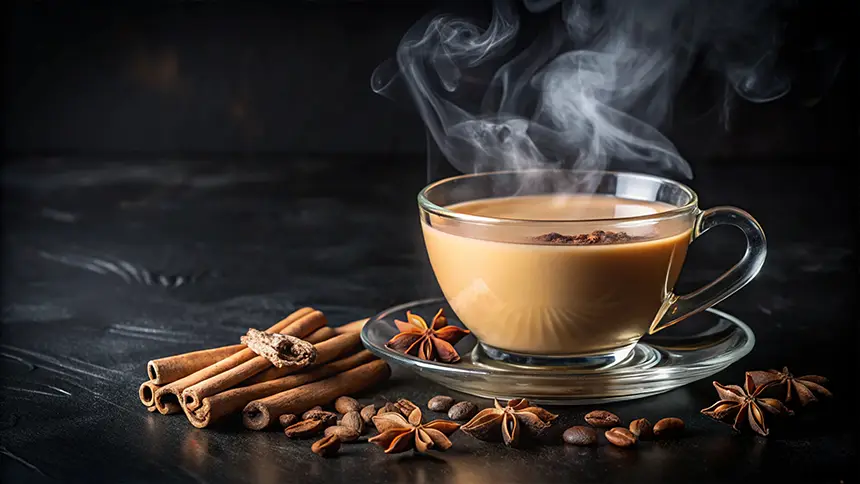
Traditional spices and herbs are an essential part of the region’s cuisine, adding depth, aroma, and character to every dish. Locally used spices such as cardamom, saffron, and turmeric are carefully blended to enhance the natural flavours of ingredients without overpowering them. These spices are commonly used in rice dishes, meat preparations, and even in traditional Emirati tea, giving each meal a distinctive taste and aroma. The use of herbs and spices reflects the area’s rich culinary heritage and knowledge passed down through generations. By incorporating these natural flavours, local cuisine becomes more aromatic, nutritious, and balanced. Traditional spices not only make food delicious but also highlight the cultural importance of flavour in local cooking, showing how even simple ingredients can create memorable and authentic Emirati meals.
Preserving Culture Through Food
Preserving culture through food is a central part of the northern emirate’s culinary tradition. By using local ingredients such as seafood, dates, grains, and meat, families continue to prepare dishes that have been enjoyed for generations. Traditional recipes are carefully passed down, ensuring that cooking methods, flavours, and presentation remain authentic. This practice not only keeps the community’s unique culinary heritage alive but also reflects the broader Emirati identity, connecting people to their history, land, and community. Preparing and sharing these dishes promotes cultural pride, especially during festivals, family gatherings, and special occasions. Through the use of local ingredients, the region’s cuisine becomes more than just food—it becomes a way to celebrate heritage, strengthen social bonds, and preserve the traditions that define the area’s rich and diverse culture.
Conclusion
The use of local ingredients is at the heart of the northern emirate’s rich and diverse cuisine. From fresh seafood and dates to locally grown grains, vegetables, and meat, these ingredients not only provide flavour and nutrition but also reflect the geography, traditions, and cultural identity of the region. Traditional spices and cooking methods enhance the taste of dishes while preserving centuries-old culinary practices. By relying on locally sourced produce, families continue to celebrate their heritage, support sustainable farming, and strengthen community ties. This strong connection between food, land, and culture ensures that Emirati cuisine remains authentic, meaningful, and deeply rooted in the area’s history. Ultimately, the local focus on ingredients showcases how food can preserve tradition, promote cultural pride, and create a lasting link between past, present, and future generations.