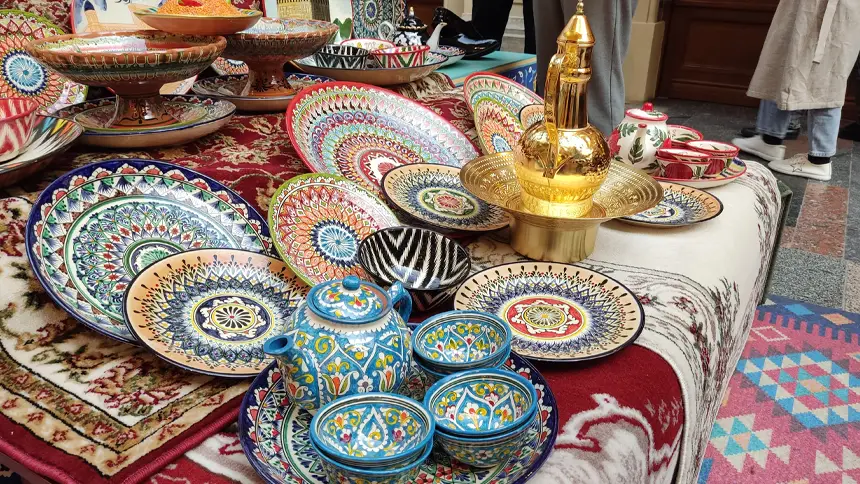
Sharjah, one of the most culturally rich emirates in the United Arab Emirates, offers a unique shopping experience where traditional markets and contemporary retail spaces exist side by side. Often known as the Cultural Capital of the Arab World, Sharjah has a long history as a trading centre, which can still be seen in its famous traditional souks. These markets sell items such as spices, gold, textiles, handicrafts, and fresh produce, reflecting the emirate’s heritage and local lifestyle. At the same time, Sharjah has developed large shopping malls and lifestyle centres that feature international brands, restaurants, cinemas, and family entertainment. This combination of old and new shows how Sharjah respects its cultural roots while adapting to modern consumer needs. Traditional souks support local traders and preserve Emirati culture, while urban shopping destinations provide comfort and convenience. Together, they play an important role in Sharjah’s economy, tourism, and daily life, making the emirate a popular shopping destination in the UAE.
The Importance of Shopping in Sharjah’s Identity
Shopping in Sharjah is an important part of the emirate’s identity and goes beyond simple buying and selling. It plays a key role in everyday life, tourism, and the preservation of cultural traditions. Traditional souks allow residents and visitors to experience Sharjah’s history as a major trading centre in the UAE, where people buy spices, textiles, gold, and handmade goods while interacting directly with local shopkeepers. At the same time, contemporary shopping complexes offer a comfortable and convenient retail experience with international brands, restaurants, cinemas, and family entertainment.
These air-conditioned malls attract tourists and families throughout the year, especially during the hot summer months. Together, narrow souk alleys and modern shopping environments create two different but complementary shopping worlds. This balance supports the local economy, provides employment opportunities, and strengthens Sharjah’s reputation as a culturally rich and family-friendly shopping destination in the United Arab Emirates.
Traditional Markets: Preserving Sharjah’s Heritage
Traditional markets, known as souks, are among the most iconic and culturally important features of Sharjah. These markets have existed for many decades and reflect the emirate’s long history as a major trading centre in the United Arab Emirates. Souks played an essential role in daily life, where people gathered to trade goods, share news, and build community relationships. Even today, traditional markets remain active and popular, helping to preserve Emirati culture and heritage. They attract both local residents and tourists who wish to experience authentic shopping in a historic setting.
Key Features of Traditional Markets
Traditional markets in Sharjah are easily recognised by their Islamic and Arabic architectural styles, including arches, wooden doors, and narrow walkways. Most shops are small and family-run, allowing local traders to pass their skills from one generation to the next. The markets sell handcrafted and locally sourced products such as spices, perfumes, jewellery, textiles, and souvenirs. A strong sense of community is an important feature, as buyers and sellers interact directly, creating a friendly and welcoming atmosphere that reflects Sharjah’s cultural values.
Popular Traditional Markets in Sharjah
Souq Al Arsah
Souq Al Arsah is one of the oldest traditional markets in Sharjah and is located in the Heart of Sharjah heritage area. It is well known for selling antiques, traditional handicrafts, perfumes, jewellery, and Emirati clothing. The souq’s historic buildings and narrow lanes give visitors a clear idea of how trading was carried out in the past. Souq Al Arsah is especially popular with tourists and students because it strongly represents Sharjah’s cultural and historical identity.
Central Souq (Blue Souq)
The Central Souq, also called the Blue Souq, is one of Sharjah’s most famous landmarks. Built in the 1970s, it features traditional Arabic design with a large number of shops under one roof. The market is especially known for gold jewellery, textiles, carpets, souvenirs, and watches. Its blue-tiled exterior makes it easily recognisable and attractive to visitors. The Blue Souq plays an important role in Sharjah’s retail sector and continues to be a major shopping destination.
Souq Al Jubail
Souq Al Jubail is a modernised traditional market located near Sharjah’s waterfront. It mainly sells fresh fish, meat, fruit, vegetables, and spices, making it an important part of daily life for local residents. Although the building is modern and well-organised, it still maintains the traditional souk experience, where customers interact directly with vendors. Souq Al Jubail successfully combines traditional trading practices with modern hygiene and safety standards.
Modern Retail: Convenience and Lifestyle Shopping
Alongside its traditional markets, Sharjah has experienced rapid growth in organised retail developments over the past few decades. Shopping malls in the emirate are designed to meet the needs of families, tourists, and young professionals. These large-scale retail hubs reflect Sharjah’s urban development and changing lifestyle patterns. They offer a comfortable and organised shopping environment, especially important during the hot summer months. This form of retailing has become an essential part of daily life in Sharjah and plays a key role in attracting visitors from across the United Arab Emirates.
Key Features of Modern Retail
Retail centres in Sharjah are known for their wide range of international and regional brand outlets, offering fashion, electronics, and lifestyle products. Entertainment facilities such as cinemas, indoor play areas, and gaming zones make malls popular with families and children. Food courts and global dining options provide a variety of cuisines, reflecting Sharjah’s multicultural population. These contemporary shopping centres are fully air-conditioned, safe, and well-managed, ensuring a comfortable shopping experience for visitors throughout the year.
Popular Modern Retail Centres
City Centre Sharjah
City Centre Sharjah is one of the most popular shopping destinations in the emirate. It offers a wide selection of fashion stores, electronics outlets, restaurants, and entertainment facilities. The mall is family-friendly and includes a cinema and children’s play areas, making it a preferred choice for weekend visits. Its central location and modern facilities make it an important part of Sharjah’s retail sector.
Sahara Centre
Sahara Centre is one of the largest and most well-known shopping malls in Sharjah. It features hundreds of retail outlets, dining options, and family attractions. The mall is especially popular for its entertainment facilities, including cinemas and indoor amusement areas. Sahara Centre attracts both residents and tourists and contributes significantly to Sharjah’s economy and tourism industry.
Mega Mall and City Centre Al Zahia
Mega Mall and City Centre Al Zahia are lifestyle-focused shopping centres designed to suit contemporary consumer needs. They offer a mix of retail stores, dining spaces, and entertainment options in stylish and well-planned environments. These urban lifestyle malls are popular with young professionals and families, providing a one-stop destination for shopping, leisure, and social activities.
Traditional vs Modern Retail: A Balanced Comparison
Traditional and Modern Retail in Sharjah represent two different shopping styles, yet both are equally important to the emirate’s identity. Traditional markets, or souks, focus on cultural heritage and community life. They offer local products such as spices, textiles, perfumes, gold, and handmade goods, often sold by small family-run businesses. Shopping in souks allows visitors to interact directly with shopkeepers, practise bargaining, and experience Sharjah’s historic trading culture in open and architecturally traditional settings.
In contrast, contemporary retail formats focus on comfort, convenience, and lifestyle shopping. Shopping malls in Sharjah provide international brands, fixed pricing, entertainment facilities, food courts, and climate-controlled environments. These malls are popular with families and tourists because they offer a one-stop solution for shopping, dining, and leisure. Together, traditional markets and large shopping complexes complement each other, helping Sharjah preserve its cultural heritage while meeting the demands of modern life.
Why This Balance Matters
Sharjah’s ability to preserve traditional markets while expanding new-age retail developments is essential to its sustainable social and economic development. By protecting its historic souks, the emirate ensures that its cultural identity and long trading history are not lost in the process of modernisation. At the same time, the growth of shopping malls meets the needs of today’s residents and visitors who expect comfort, variety, and convenience.
This coexistence supports small businesses and local traders by allowing them to continue operating alongside large retail brands. It also strengthens tourism by offering diverse shopping experiences, from heritage souks to contemporary lifestyle centres. As a result, Sharjah appeals to a wide range of people, including families, tourists, and young professionals. This balanced approach helps the emirate grow economically while remaining culturally rich and socially inclusive.
Conclusion
Traditional markets and Modern Retail together form the backbone of Sharjah’s shopping culture and urban identity. The emirate’s historic souks continue to preserve its rich trading history, cultural values, and strong sense of community, offering authentic experiences that connect the past with the present. At the same time, present-day shopping environments reflect Sharjah’s progress, providing comfort, convenience, and lifestyle-focused retail experiences for residents and visitors. This harmonious blend of old and new shows how Sharjah respects its heritage while embracing modern development. By balancing cultural preservation with contemporary needs, Sharjah has created a diverse and inclusive shopping environment that supports economic growth, tourism, and everyday life. This unique approach makes Sharjah a city where tradition and modern living exist together in perfect balance.