Fujairah is one of the most culturally rich emirates in the UAE. While it is known for mountains, beaches, and historic forts, its traditional celebrations and heritage shows play a major role in local entertainment. These gatherings bring people together, share stories from the past, and keep customs alive. Visitors and residents enjoy music, movement, poetry, crafts, and food during these special occasions. Traditional events in Fujairah are not only about fun; they also reflect identity, values, and community spirit.
Cultural Roots of Fujairah
Fujairah’s traditions are shaped by geography and history. The emirate lies along the eastern coast, surrounded by mountains and the sea. Life here once depended on fishing, farming, and trade. Because of this, cultural expressions often reflect daily life, nature, and cooperation. These activities were passed down orally from the elderly to younger generations. Songs, dances, and stories helped teach respect, bravery, patience, and unity. Today, these practices are presented during public events, festivals, and official celebrations, turning heritage into enjoyable entertainment for all ages.
Importance of Traditional Events in Entertainment
Traditional gatherings hold a central place in Fujairah’s entertainment calendar, often organised by cultural centres, local authorities, and community groups. These events attract a wide range of participants, including families, tourists, artists, and students, creating lively and inclusive experiences. They play a crucial role in preserving local identity while offering meaningful leisure activities and educational opportunities, especially for young people who learn through performance. Visitors gain an authentic glimpse of Emirati culture, and the events help strengthen social bonds within the community. Unlike modern shows that focus mainly on observation, heritage-based entertainment emphasises active participation and shared enjoyment, making it a more engaging and memorable experience for everyone involved.
Popular Cultural Events in Fujairah
Fujairah hosts many annual and seasonal occasions that celebrate local customs. Each one has its own theme, activities, and performances.
Common traditional events
- National Day celebrations
- Cultural heritage festivals
- Seasonal village fairs
- Coastal and fishing-themed gatherings
- Mountain community celebrations
During these occasions, public spaces transform into lively cultural zones filled with sound, colour, and movement.
Traditional Dance Performances
Dance is one of the most powerful forms of entertainment in Fujairah. Performers wear traditional clothing and move in rhythm with drums and chants. These displays often tell stories of unity, defence, or daily work.
Well-known dance styles
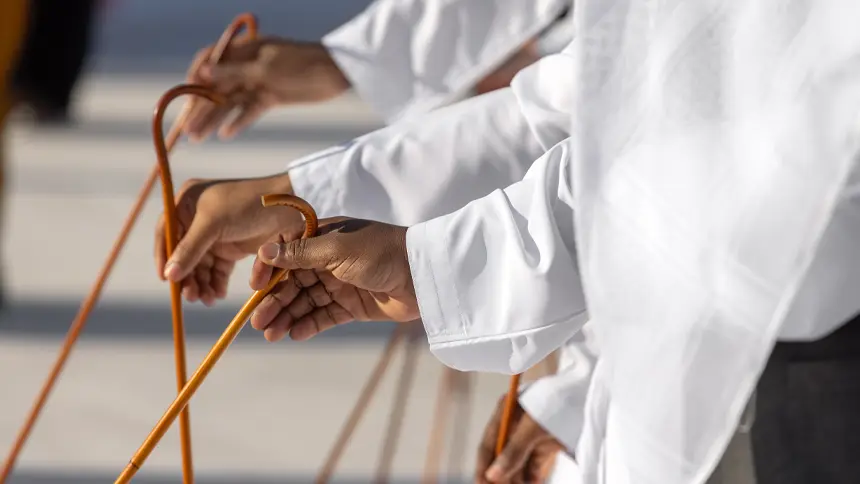
- Ayala: A group performance with lines of men holding sticks, moving together to drumbeats
- Razfa: A mountain-origin dance showing strength and cooperation
- Harbiya: A performance symbolising courage and tribal pride
These dances are usually performed during festivals, weddings, and national events. Audiences often clap along, making the experience interactive.
Folk Music and Chanting
Music plays a central role in heritage entertainment. Songs are usually short, repetitive, and meaningful. Lyrics often speak about the sea, land, family, or faith. Instruments are simple but powerful.
Traditional musical elements
- Drums made from animal skin
- Hand clapping for rhythm
- Call-and-response singing
- Poetic verses
Performers sometimes sing without instruments, focusing on voice and emotion. This creates a strong connection between artists and listeners.
Poetry and Oral Storytelling
Poetry has always been a cherished art form in Fujairah, serving as a primary means of sharing stories and lessons before the advent of written records. Today, poetry sessions continue to be a popular form of cultural entertainment, often featuring recitations by local poets, audience interaction, and themes such as honour, love, and history. Friendly competitions add excitement, while storytelling events, especially popular with families, allow elders to narrate tales about village life, heroic deeds, and moral lessons. Through voice and performance, these sessions keep local history and traditions alive, creating a vibrant link between past and present.
Heritage Theatre and Dramatic Shows
Heritage theatre performances offer another captivating form of entertainment in Fujairah, bringing the past to life through dramatisations of fishing trips, market scenes, and family gatherings. These shows often feature simple stage setups, traditional costumes, live musical accompaniment, and the use of local dialects. The combination of expressive movements and clear storytelling ensures that even those unfamiliar with the language can enjoy and understand the performances. By blending history with entertainment, heritage theatre provides both education and enjoyment, making it a memorable experience for audiences of all ages.
Traditional Games and Interactive Activities
Entertainment at cultural events is not limited to watching. Many gatherings include traditional games and hands-on activities, especially for children.
Popular interactive elements
- Old-style outdoor games
- Craft-making sessions
- Rope and balance challenges
- Role-play activities
These activities teach cooperation and creativity while offering fun without modern technology.
Handicrafts as Cultural Entertainment
Craft displays are a quiet but important part of traditional events. Watching artisans work is entertaining and educational. Skills are demonstrated live, allowing visitors to see how everyday items were made in the past.
Common crafts showcased
- Palm leaf weaving
- Pottery shaping
- Fishing net making
- Fabric embroidery
Visitors often try these crafts themselves, turning learning into enjoyable participation.
Food and Cultural Celebrations
Traditional cuisine plays an important role in Fujairah’s heritage entertainment, adding flavour and authenticity to cultural events. Cooking demonstrations and shared meals are common, allowing participants to experience local hospitality and generosity first hand. Activities such as live cooking sessions, explanations of traditional recipes, and communal dining spaces engage the senses and encourage social interaction, creating a relaxed and enjoyable atmosphere where food becomes a medium for connection and celebration.
Role of Cultural Centres and Festivals
Cultural centres in Fujairah are instrumental in organising and promoting traditional entertainment throughout the year. They host workshops, rehearsals, and public performances, ensuring that heritage arts remain vibrant and accessible. Major festivals often feature multiple performance stages, scheduled dance and music shows, educational exhibitions, and family-friendly zones. These events provide local performers with recognition and offer visitors a comprehensive cultural experience, highlighting the richness and diversity of Fujairah’s traditions.
Youth Participation and Learning
Youth engagement is a key aspect of preserving heritage in Fujairah. Schools and community groups actively teach traditional dance, music, and poetry, encouraging young people to participate in performances. This involvement helps build confidence, teach teamwork, instill cultural values, and develop performance skills. The presence of young performers on stage brings energy and optimism to cultural events, ensuring that traditions remain alive and relevant for future generations.
Tourism and Cultural Entertainment
Traditional events also support tourism. Visitors seeking authentic experiences are drawn to heritage shows. These events provide insight into daily life and values beyond modern attractions.
Tourism benefits
- Cultural exchange
- Support for local artists
- Increased community pride
Many tourists consider heritage performances as highlights of their visit.
Conclusion
Traditional Fujairah cultural events and heritage performances form an important part of the emirate’s entertainment landscape. Through dance, music, poetry, theatre, crafts, and food, these gatherings offer joy, learning, and connection. They preserve history while creating lively experiences for today’s audiences. For residents, these occasions strengthen identity and unity. For visitors, they offer a true glimpse into local life.