Fujairah is a unique emirate on the eastern coast of the United Arab Emirates. Unlike the busy cities of the west, this region is calm, green, and rich in heritage. One of the best ways to understand local culture here is through traditional Emirati food tours. These tours allow visitors to taste authentic dishes, learn cooking stories, and meet people who keep old traditions alive. They are not just about eating; they are about history, family, and community. These culinary journeys in Fujairah are becoming popular among travellers who want real experiences. Instead of modern cafés, these journeys focus on homes, heritage villages, coastal areas, and local kitchens. Each stop offers flavours shaped by the sea, mountains, and desert life.
Fujairah’s Cultural Food Identity
Fujairah’s cultural cuisine identity is closely shaped by its geography. With the sea on one side and mountains on the other, local cuisine reflects a balance of fishing and farming traditions. Emirati dishes in this region are hearty, uncomplicated, and made using natural ingredients. Daily meals have been influenced by coastal livelihoods, mountain-grown produce, Bedouin practices, and long-standing trade links with Oman and India. Food tours show how residents adjusted cooking styles to suit the climate and available resources, using mild spices and slow-cooking techniques. Sharing meals is common, highlighting the strong sense of unity and hospitality within the community.
What Is a Traditional Emirati Food Tour?
A traditional culinary tour in Fujairah is a guided cultural journey. Visitors move between different locations while tasting local dishes and learning their background. These tours are usually led by Emirati hosts or trained guides who explain each recipe clearly.
Common features of these tours
- Visits to heritage houses
- Home-cooked meals
- Cooking demonstrations
- Storytelling sessions
- Tea and coffee rituals
The pace is relaxed, allowing guests to enjoy both flavours and conversations. Many tours are small-group experiences, making them personal and welcoming.
Popular Dishes Featured on Food Tours
Culinary journeys in Fujairah introduce guests to classic Emirati meals. Each dish has a story linked to family life, celebrations, or daily routines.
Main Traditional Dishes
- Machboos – Spiced rice cooked with fish, meat, or chicken. Often served during gatherings.
- Harees – A smooth wheat and meat dish, slow-cooked for many hours. Common during Ramadan.
- Salona – A light stew made with vegetables and meat, eaten with bread or rice.
- Grilled Coastal Fish – Fresh catch seasoned simply and cooked over fire or charcoal.
Breads and Side Items
- Khameer – Soft bread with a slight sweetness, flavoured using dates or herbs.
- Raqaq – Thin, crispy bread prepared on a hot surface, often eaten with honey or cheese.
- Dates with Ghee – A traditional pairing that reflects desert food habits.
Each tasting is explained in detail, helping visitors understand why the dish matters.
Traditional Drinks and Desserts
No Emirati food tour is complete without drinks and sweets. These items balance flavours and reflect hospitality customs.
Drinks
- Arabic Coffee (Gahwa) – Light coffee flavoured with cardamom. Served in small cups as a sign of respect.
- Herbal Teas – Made using local plants and seeds, often served after meals.
Desserts
- Luqaimat – Fried dough balls topped with date syrup.
- Balaleet – Sweet vermicelli combined with eggs, usually eaten during breakfast.
- Date-Based Sweets – Simple treats using dates, flour, and butter.
Guides often explain when these sweets are eaten and during which occasions.
Visiting Heritage Villages and Old Homes
Many traditional food tours include visits to heritage villages or carefully restored houses, allowing visitors to step back in time. These settings bring history to life through their design, aromas, and atmosphere. Guests often see traditional kitchens filled with clay pots, open-fire cooking spaces, old tools used to store grains and spices, and family dining areas where meals were shared. Hosts usually tell personal stories linked to the dishes being prepared, adding emotional depth to the experience and helping visitors understand how food connects generations.
Cooking Demonstrations and Hands-On Learning
Some culinary journeys also provide interactive cooking sessions that allow guests to observe or take part in meal preparation. Visitors may help mix spices, roll dough for traditional bread, learn correct rice cooking methods, or prepare Arabic coffee following custom. These practical moments make the experience memorable and meaningful. Learning directly from local hosts builds a deeper appreciation of Emirati culture and strengthens the connection between food and tradition.
Role of Hospitality in Emirati Food Culture
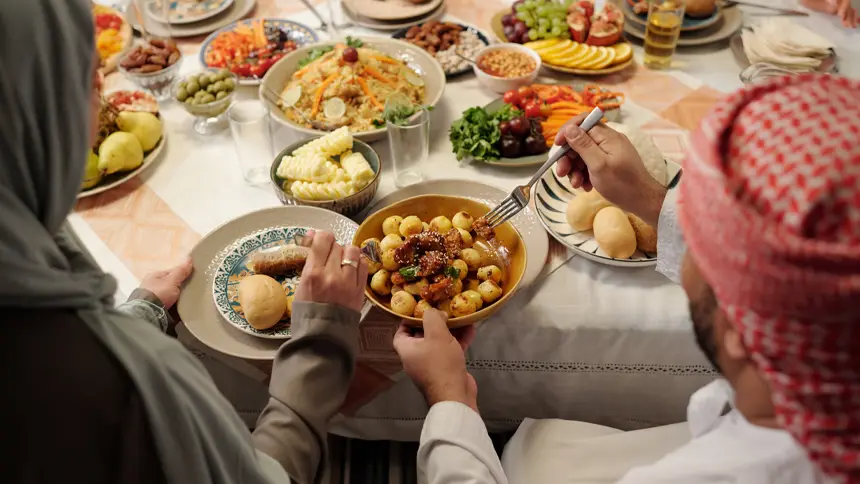
Hospitality is a core value in Emirati society, and it is clearly reflected during traditional food tours. Guests are greeted with warmth and generosity and are often treated as part of the family rather than as visitors. Dishes are usually offered before any conversation begins, and hosts commonly encourage guests to enjoy multiple servings. Meals are often shared on large plates, creating a sense of closeness and unity. Tour guides also explain important etiquette, such as using the right hand while eating, accepting coffee refills politely, and following seating customs. These details help visitors show respect and better understand local traditions.
Culinary journeys and Local Communities
Traditional culinary journeys play an important role in supporting local communities in Fujairah. Many of these experiences are hosted by local families, with women often preparing meals in home kitchens or community spaces. These tours provide extra income for households, help preserve traditional cooking skills, and build cultural pride among younger generations. They also create employment opportunities for local guides and organisers. By joining such tours, visitors contribute to keeping Emirati food traditions alive for the future.
Best Time to Join a Food Tour in Fujairah
Culinary tours are available throughout the year, but certain seasons are more comfortable.
Best periods
- Winter months with cooler weather
- Festival seasons with special dishes
- Early mornings or evenings
During Ramadan, tours focus on Iftar meals and spiritual culinary customs. Guides to adjust timing to respect fasting practices.
Who Should Try Emirati Food Tours?
These tours are suitable for many travellers.
Ideal participants
- Culture lovers
- Food explorers
- Families
- Students and researchers
- First-time UAE visitors
No special culinary knowledge is needed. The simple explanations make the experience enjoyable for everyone.
How Culinary journeys Differ from Restaurant Dining
Culinary journeys differ from restaurant dining by focusing more on cultural meaning than on large menus. Meals are usually prepared in a home-style manner, with time given to careful cooking and sharing the stories behind each dish. Instead of large single servings, guests enjoy smaller portions of various items, allowing them to experience a wider range of flavours. Direct interaction with hosts adds a personal touch, helping visitors form an emotional connection with the cuisine and the traditions linked to it.
Conclusion
Traditional Emirati food tours in Fujairah offer more than meals. They provide a deep look into local life, values, and history through taste and storytelling. From rice dishes to sweet treats, every bite reflects the land and its people. These tours support communities, protect traditions, and create meaningful travel memories. For anyone wanting to understand Fujairah beyond sightseeing, joining a food tour is a simple and rewarding choice.