Ajman may be the smallest emirate in the UAE, but it holds a strong connection to the past. Behind its calm beaches and growing city life, Ajman protects a deep cultural story shaped by coastal trade, tribal leadership, and traditional lifestyles. The emirate is home to forts, watchtowers, heritage villages, and museums that help visitors understand how people lived before modern development. For travellers who enjoy culture, history, and meaningful exploration, Ajman offers a peaceful and educational experience. This article explores the most important historical sites and museums in Ajman, highlighting their value within the tourism sector.
Ajman Museum and Ajman Fort
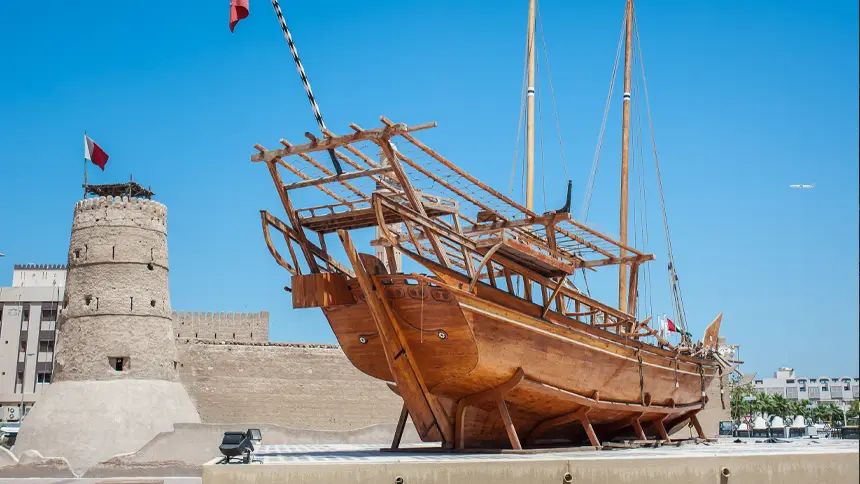
It is the most well-known historical attraction in the emirate. It is located inside Ajman Fort, a large traditional structure built to protect the town and serve as a residence for rulers. The fort stands in the heart of the city and represents an important part of Ajman’s identity.
Historical Importance
Ajman Fort was built more than two centuries ago and has served many purposes throughout its history. It once functioned as a royal residence, a defensive stronghold, and later as a police station before being transformed into a cultural museum. The fort’s thick walls, wind towers, and watchtowers reflect traditional architectural design, showing how structures were carefully planned to meet both climate conditions and security needs of the past.
Inside the Museum
The museum displays a wide range of exhibits that explain daily life before oil discovery. Visitors can explore:
- Archaeological findings, including tools and pottery from ancient settlements
- Traditional occupations, such as fishing, pearl diving, and farming
- Old weapons and defence tools, showing how the town was protected
- Cultural displays, featuring clothing, jewellery, and household items
Life-size models help visitors imagine how families lived, worked, and interacted in earlier times.
Visitor Experience
Walking through Ajman Museum feels like stepping into history. Each room tells a different story, making it easy for tourists of all ages to understand the past. The museum is especially valuable for travellers who want to learn about Emirati heritage in a simple and engaging way.
Al-Murabbaa Watchtower
Al-Murabbaa Watchtower is a small but meaningful historical structure located near Ajman Corniche. It was built in the early twentieth century to guard the coastal area and monitor movement along the shore.
Cultural Value
The watchtower represents Ajman’s early defence system. Built using traditional materials, it reflects simple yet effective construction methods. From this point, guards could observe incoming boats and protect the settlement from threats.
Why Tourists Visit
Tourists visit the tower because it is easily accessible from the Corniche and usually offers free or low-cost entry. It serves as a clear example of traditional military design and is ideal for photography as well as brief cultural stops. Although the structure is small, it adds depth to Ajman’s historical story and fits well into a relaxed walking tour of the area.
White Fort in Al Manama
The White Fort is located in Al Manama, one of Ajman’s inland areas. It is a historic building that once served as a residence and protection point for tribal leaders.
Historical Role
Unlike coastal forts, the White Fort reflects life in a rural setting. It helped protect trade routes and agricultural land. The structure highlights how different parts of Ajman developed based on geography and local needs.
Tourism Appeal
The White Fort appeals to tourists by offering insight into inland settlement patterns, traditional leadership structures, and local building styles. The site provides a calm and less crowded cultural experience, making it an ideal choice for visitors who value authenticity and a deeper connection with local history.
Masfout Heritage Area
Masfout is a mountain village located away from Ajman City. It has a long history and is known for its cooler climate and natural surroundings.
Historical Significance
Masfout was home to tribal communities who depended on farming, livestock, and trade. Old forts and stone structures in the area show how people adapted to mountain life and protected their settlements.
What Visitors Can Explore
- Remains of old forts
- Traditional mountain architecture
- Scenic landscapes with historical value
Masfout adds variety to Ajman’s tourism scene by combining heritage with nature.
Al Manama Heritage Sites
Al Manama is another important area that helps explain Ajman’s past beyond the coastline. Small heritage sites and preserved buildings show how inland communities lived.
Cultural Insight
These sites provide valuable cultural insight by explaining trade connections between coastal and inland areas, traditional agricultural practices, and community organisation. Educational signs and restored structures make it easy for visitors to understand local history without the need for a guide.
Heritage Districts and Traditional Neighbourhoods
Some areas in Ajman City preserve older buildings and street layouts. These heritage districts give tourists a sense of how towns were organised before modern planning.
What Makes Them Special
- Narrow streets
- Traditional houses
- Simple architectural designs
Walking through these areas allows visitors to imagine daily life in earlier decades. These districts also support cultural tourism by keeping local identity alive.
Dhow Building Yards and Traditional Markets
Ajman is known for its dhow building tradition. Wooden boats were essential for fishing and trade, and some yards still follow old construction methods.
Why They Matter
- Show maritime heritage
- Represent craft skills
- Connect history with present-day practices
Traditional Markets
Nearby markets sell goods that reflect local culture, including:
- Spices
- Textiles
- Handcrafted items
These markets add a living cultural element to historical exploration.
Importance of Historical Tourism in Ajman
Historical sites and museums play an important role in Ajman’s tourism development by preserving cultural identity, educating both visitors and residents, and supporting sustainable travel practices. They also provide calm alternatives to busy attractions, attracting travellers who seek learning, reflection, and meaningful cultural experiences. This focus on heritage helps strengthen local pride while promoting long-term tourism growth.
Conclusion
Ajman’s historical sites and museums tell the story of a community shaped by the sea, desert, and mountains. From the impressive Ajman Museum to quiet inland forts and heritage villages, the emirate offers a rich cultural journey. These places help visitors understand how people lived, worked, and protected their homes long before modern growth. For tourists seeking history, culture, and authenticity, Ajman provides a rewarding experience in a simple and welcoming way.