Social clubs in the UAE have become a significant part of modern urban life. They are no longer limited to exclusive memberships for elite circles; instead, they offer diverse opportunities for networking, learning, leisure, and wellness. The increasing popularity of these Hubs reflects changing lifestyles, cultural openness, and the desire for community engagement in a fast-paced society.
Understanding Social Clubs
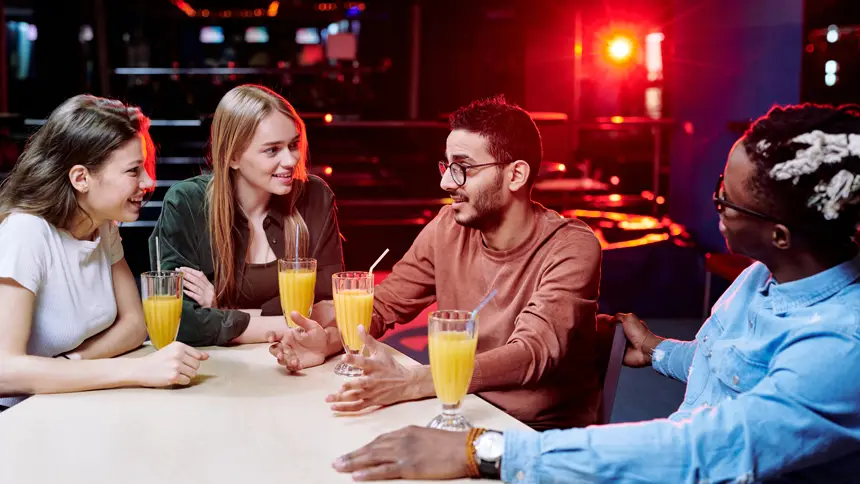
A social club is a gathering place where individuals with shared interests come together to participate in activities, events, and networking opportunities. In the UAE, these clubs are evolving beyond traditional frameworks to cater to professionals, expatriates, families, and hobby enthusiasts alike.
Features
- Inclusive Memberships: Many clubs now offer tiered memberships, making them accessible to a broader audience.
- Diverse Activities: From sports and wellness programs to cultural events and workshops, these Hubs provide a range of options.
- Networking Opportunities: Members can connect with professionals, artists, and business leaders.
- Exclusive Amenities: State-of-the-art gyms, lounges, libraries, and entertainment zones enhance the overall experience.
These Leisure Societies have transitioned from mere recreational spaces to hubs that combine relaxation, learning, and professional growth. Their design, programs, and services reflect a lifestyle-oriented approach that aligns with the UAE’s cosmopolitan environment.
Factors Behind the Growing Popularity
Several factors contribute to the rise of social clubs across the Emirates. These factors are both cultural and lifestyle-driven.
Urbanisation and Lifestyle Changes
Rapid urban growth in cities such as Dubai and Abu Dhabi has significantly influenced residents’ lifestyles. With busy work schedules and constant digital connectivity, people are increasingly seeking spaces for relaxation and meaningful social interaction. The pressures of modern life, including work-related stress, have encouraged individuals to engage in recreational activities that help them unwind. Many residents prefer structured environments where they can pursue personal hobbies, develop new skills, or simply enjoy leisure time. Additionally, urban communities are looking for venues that offer cultural and social experiences, providing a sense of connection amid the fast-paced city life.
Expatriate Influence
The UAE’s large expatriate population has contributed to the evolution of Leisure Societies, as residents bring diverse cultural expectations and recreational habits. Clubs now cater to this diversity by offering activities that blend international trends with local traditions. Language classes, cultural exchange sessions, and international cooking workshops are increasingly popular, allowing members to explore different cultures while staying connected to their own. Networking events for both expatriates and locals help foster integration, and celebrations of global festivals create familiar and inclusive environments for foreign residents. This focus on multicultural engagement has broadened the appeal of Community Hubs across the Emirates.
Focus on Health and Wellness
A growing emphasis on health-conscious living has led many social clubs to incorporate wellness-focused facilities. Fitness zones, including gyms, yoga studios, and aerobic centres, attract enthusiasts who prioritise physical activity. Outdoor spaces such as swimming pools, sports courts, and cycling tracks provide additional opportunities for active recreation. Many Hubs also offer wellness programs like meditation sessions, spa treatments, and dietary workshops, reflecting a holistic approach to well-being. By combining physical fitness with mental relaxation, Community Hubs support a balanced lifestyle that helps members manage stress while maintaining personal health.
Networking and Professional Development
Modern Leisure Societies are no longer limited to casual gatherings; they have evolved into platforms for professional growth and business networking. Business mixers, seminars, and panel discussions provide opportunities for knowledge exchange and career advancement. Workshops on leadership, communication, and entrepreneurship equip members with valuable skills while fostering personal development. Clubs frequently collaborate with industry leaders to organise talks and interactive sessions, bridging recreation with professional enrichment. By integrating networking and skill-building into their offerings, Community Hubs add meaningful value to members’ lifestyles beyond leisure and entertainment.
Popular Types of Social Clubs in the UAE
The UAE offers a wide spectrum of Leisure Societies tailored to diverse interests. Understanding the main categories helps explain their rising appeal.
Lifestyle and Leisure Clubs
These Hubs focus on entertainment, dining, and relaxation. They provide a space where members can unwind and socialise.
- Luxury lounges and gourmet dining experiences.
- Music, arts, and film-related events.
- Social mixers and themed parties.
Sports and Fitness Clubs
Fitness-oriented Hubs have gained immense popularity, catering to both individual and group activities.
- Tennis, golf, and squash facilities.
- Group classes such as aerobics, Pilates, and dance.
- Adventure sports, including kayaking, cycling, and rock climbing.
Cultural and Hobby Clubs
These Hubs appeal to individuals with shared passions, such as arts, crafts, literature, or cooking.
- Art exhibitions and painting workshops.
- Photography Hubs that organise trips and competitions.
- Book Hubs and literary gatherings for readers.
Family-Oriented Clubs
Designed to provide wholesome entertainment for all age groups, family-focused clubs are increasingly popular in suburban areas.
- Play zones, creative workshops, and educational activities for children.
- Recreational facilities for parents, such as gyms and hobby centres.
- Seasonal events and festivals fostering community participation.
Benefits of Social Club Membership
Joining a social club in the UAE offers a variety of advantages. These benefits extend beyond recreation, impacting personal growth, health, and social connections.
- Social Interaction – Clubs provide opportunities to meet new people and build lasting friendships. They serve as platforms for individuals to connect over shared interests.
- Skill Development – Workshops, classes, and hobby sessions allow members to learn new skills or refine existing ones.
- Mental and Physical Wellness – Engaging in sports, fitness routines, or relaxation activities contributes to better physical health and reduced stress levels.
- Community Building – It often hosts charitable events, community service programs, and festivals, fostering a sense of belonging.
- Networking Opportunities – Professional and business-oriented events within clubs allow members to expand connections and explore career opportunities.
Challenges and Considerations
Despite their appeal, social clubs face certain challenges that can impact their growth and sustainability.
- Membership Costs: High fees may limit accessibility for some individuals.
- Competition: Numerous Hubs in urban centres create a competitive environment.
- Cultural Sensitivity: Hubs must balance global trends with local customs and expectations.
- Sustaining Engagement: Continuously updating activities and events is crucial to retaining members.
Understanding and addressing these factors ensures that Hubs remain relevant and appealing in a dynamic lifestyle market.
Future
It is expected to grow further in popularity, driven by innovations in design, technology, and programming. Many clubs are integrating mobile apps for event registration, virtual workshops, and social networking, while hybrid models combine physical and online experiences to reach broader audiences. A focus on sustainability is emerging, with eco-friendly designs, energy-efficient facilities, and wellness-centered initiatives. Additionally, inclusive programs now cater to all ages, backgrounds, and interests. As lifestyles continue to evolve, these Hubs are set to become central to urban living, offering spaces that blend recreation, wellness, and community engagement.
Conclusion
The rise of social clubs in the UAE reflects a shift toward lifestyle-centric living. These clubs are no longer exclusive retreats but inclusive spaces offering a blend of recreation, wellness, and personal development. They cater to diverse interests, from sports and fitness to arts, culture, and family activities, while fostering social connections and professional growth.
With increasing urbanisation, cultural diversity, and health-conscious lifestyles, Community Hubs are poised to play a major role in shaping the social landscape of the Emirates. They provide spaces where individuals can relax, learn, and engage with like-minded people, making everyday life richer and more fulfilling.