Across the United Arab Emirates, food culture is changing in meaningful ways. Restaurants are moving closer to farms, gardens, and growers within the country. This shift is known as the farm-to-table approach. Instead of importing everything, chefs select vegetables, fruits, dairy, seafood, and meat that are raised locally.
In the UAE, this idea has special value. The land is unique, the climate is challenging, and traditional food habits are deeply connected to heritage. By choosing Emirati-grown ingredients, eateries support farmers, protect the environment, and offer fresher meals.
Understanding the Farm-to-Table Concept
Farm-to-table dining refers to a food approach where ingredients move directly from growers to restaurant kitchens, avoiding long storage periods and extended transportation. This model focuses on freshness, transparency, and knowing exactly where food comes from. It relies on short supply networks, seasonal menu design, strong connections with farmers, reduced waste, and an appreciation of natural growing rhythms. Rather than depending on distant sources, chefs stay in regular contact with nearby farms and create dishes based on weekly harvests. As a result, meals carry brighter flavours, higher quality, and a more genuine dining experience.
Why Local Emirati Produce Matters
Local Emirati produce plays an important role in reshaping the UAE’s food system. Although the country still imports much of what it consumes, recent growth in local agriculture has shown that desert farming is achievable through modern techniques. Sourcing ingredients grown within the country reduces reliance on overseas supplies, supports national food security, and keeps economic value circulating locally. It also builds pride in regional harvests and culinary heritage. Items such as dates, fresh vegetables, herbs, locally sourced fish, camel milk, and free-range eggs highlight how traditional foods and innovative farming methods now work together.
Farming in the UAE: A Unique Landscape
Growing food in the UAE is not easy. High temperatures, limited freshwater, and sandy soil present daily challenges. Yet farmers use advanced techniques to overcome these limits.
Common local farming methods
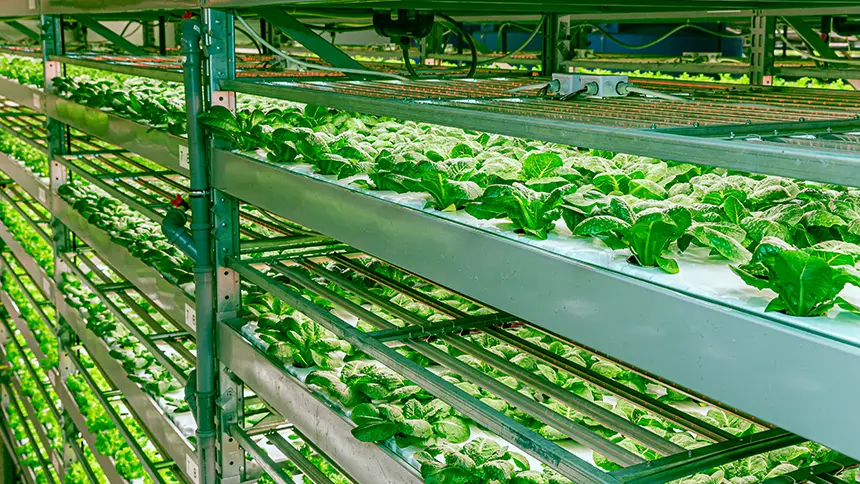
- Hydroponic systems using less water
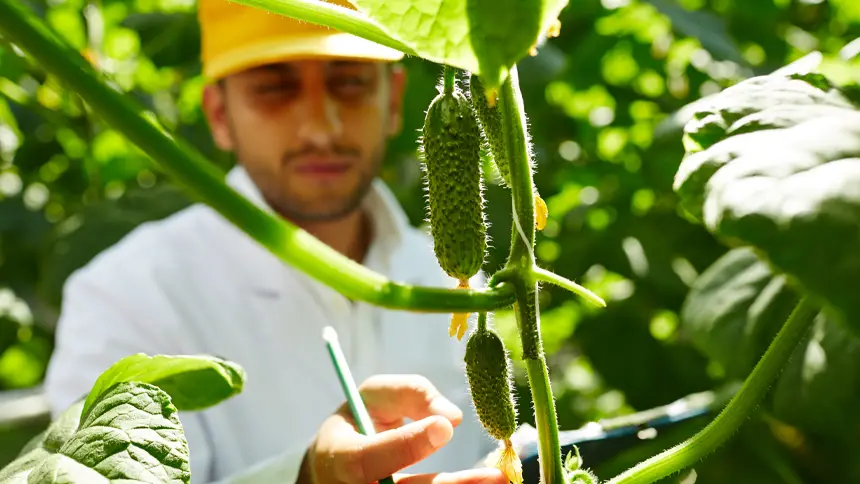
- Greenhouses with climate control
- Vertical growing units
- Organic soil enrichment
- Solar-powered irrigation
These methods allow year-round cultivation while saving natural resources. Restaurants that support such farms become part of a larger sustainability effort.
Role of Technology
Technology plays a vital role in modern food production across the UAE. Advanced systems are used to monitor temperature, humidity, and nutrient balance, allowing crops to grow efficiently despite harsh conditions. These tools help increase harvest output, maintain consistent quality, reduce water consumption, limit chemical use, and ensure a steady supply for restaurant kitchens. By combining traditional farming knowledge with scientific innovation, local farms are able to produce dependable, high-quality ingredients that meet the expectations of professional chefs.
How Farm-Focused Restaurants Operate
Farm-focused restaurants operate differently from traditional dining establishments because their kitchens respond to nature instead of fixed menu plans. Each day involves reviewing available harvests, adjusting dishes according to supply, preserving surplus ingredients, and training staff to understand where each item comes from. This adaptable approach demands creativity, as chefs usually design weekly or seasonal menus rather than permanent offerings. As a result, guests experience frequent changes, fresh flavours, and a sense of discovery with every visit.
Emirati Ingredients in Modern Menus
Local produce is not limited to traditional meals. Many chefs blend heritage items with global cooking styles.
Popular Emirati-sourced ingredients
- Dates used in desserts, sauces, and salads
- Local fish grilled, cured, or steamed
- Camel milk in ice cream or coffee drinks
- Desert herbs added to soups and marinades
- Fresh greens grown on controlled farms
These elements give meals a sense of place while remaining modern and appealing.
Supporting Local Farmers and Communities
Supporting local farmers strengthens both agriculture and community wellbeing. When restaurants purchase directly from farms, growers receive fair pricing and more reliable income, which encourages greater participation in the agricultural sector. This model helps create rural employment, develops skills among younger farmers, preserves traditional practices, and builds closer connections between cities and farming regions. In many cases, restaurant teams also visit farms in person, fostering trust, mutual understanding, and stronger relationships throughout the food supply chain.
Environmental Advantages of Farm-to-Table Dining
Food that travels shorter distances creates less pollution. Packaging needs are lower, and storage energy use drops.
Environmental gains
- Reduced carbon footprint
- Lower fuel consumption
- Less plastic waste
- Better land use management
In a region sensitive to climate change, these advantages are especially important.
Seasonal Eating and Menu Creativity
Seasonal eating is central to farm-based dining and plays a major role in menu creativity. As ingredients change with the weather, chefs design meals that reflect the time of year, offering lighter options during hotter months and richer dishes in cooler seasons. Menus are updated more frequently, allowing flavours to be enjoyed at their peak quality. Over time, diners learn to value natural food cycles instead of expecting the same dishes throughout the year.
Challenges Faced by Farm-Linked Restaurants
Despite benefits, this model has limits. Supply can vary, prices may shift, and planning becomes complex.
Common challenges
- Limited crop quantities
- Weather-related disruptions
- Higher ingredient costs
- Need for skilled menu planning
However, many restaurants view these challenges as part of their identity rather than obstacles.
The Role of Government and Policy
The UAE government plays a strong role in encouraging innovation and strengthening local agriculture. Through national food security strategies, financial support for agri-tech startups, dedicated farmer assistance programs, and clear sustainability goals, authorities create an environment where local food systems can grow. These policies make collaboration between farms and restaurants easier, helping both sectors develop in a stable and long-term way.
Education and Customer Awareness
Farm-to-table dining also plays an educational role by helping guests understand where their food comes from. Many restaurants share the stories behind their ingredients through menu notes, staff explanations at the table, farm visit events, and digital storytelling on social platforms. This open communication creates transparency, builds trust, and encourages greater appreciation for local food systems and the people behind them.
Influence on UAE Food Identity
As more restaurants turn toward local sourcing, a clear national food identity is beginning to take shape in the UAE. This evolving style blends desert heritage with global culinary creativity, giving regional ingredients a modern voice. Over time, it builds greater respect for Emirati produce, supports the return of traditional flavours, and encourages innovation connected to local landscapes. Farm-focused dining is helping shape how modern UAE cuisine is defined and recognised beyond its borders.
Future of Farm-to-Table Dining in the UAE
The future of farm-to-table dining in the UAE appears bright as technological advances and rising consumer interest continue to support local sourcing. Urban farming is expected to expand, while stronger partnerships between restaurants and farms become more common. At the same time, public awareness about sustainable food choices is likely to increase, leading to a broader variety of locally grown products. Overall, this dining model fits well with modern lifestyle preferences and the country’s long-term sustainability goals.
Conclusion
Farm-to-table restaurants sourcing Emirati produce are changing how people eat in the UAE. By choosing local ingredients, these eateries support farmers, protect the environment, and celebrate national identity. Meals become fresher, stories become richer, and food becomes more meaningful.
This approach proves that even in a desert country, responsible farming and thoughtful dining can grow together. In simple terms, farm-to-table dining brings food closer to people, land, and culture, creating a stronger, healthier future for everyone.