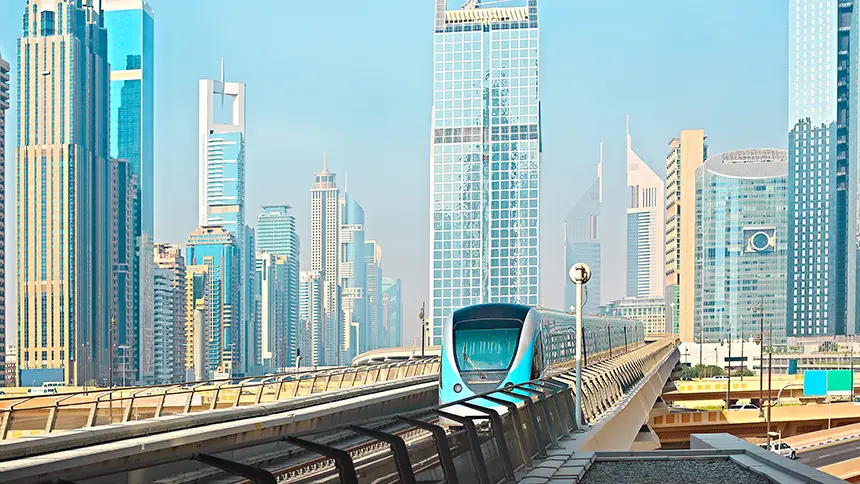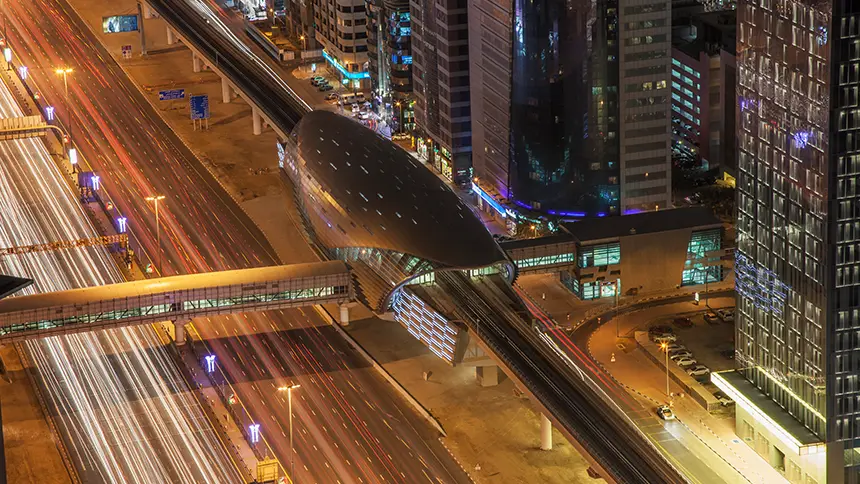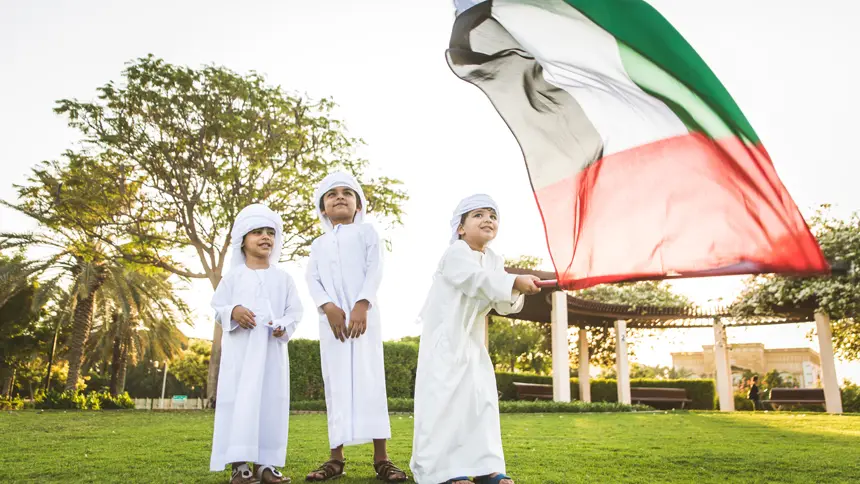
The United Arab Emirates (UAE) National Day, celebrated every year on 2nd December, is one of the most important occasions in the country. It marks the historic unification of the seven emirates in 1971 and is a time when Emiratis come together to celebrate their nation’s achievements, culture, and heritage. On this day, people of all ages take part in various activities that reflect both pride in their past and hope for the future. Traditionally, families would gather to enjoy special meals, decorate their homes with flags and lights, and take part in cultural performances such as folk dances and poetry readings. Over the years, these festivities have grown to include spectacular public events, including firework displays, parades, concerts, and landmark illuminations. Today, the celebration combines traditional customs with modern festivities, allowing Emiratis to honour their history while celebrating the country’s rapid development and unity.
Historical/Traditional Celebrations
In the past, commemorations in the UAE were deeply rooted in tradition and family values. Families would gather together to decorate their homes with colourful flags, lights, and traditional motifs, creating a festive atmosphere filled with national pride. Food also played an important role in these observances. Special Emirati dishes, such as majboos—a spiced rice dish with meat—harees, a wheat and meat porridge, and fresh dates, were prepared and shared among relatives and friends. Music and dance were central to the celebratory activities, with performances of Al Ayala and Al Harbiya, traditional folk dances involving rhythmic movements and drums, delighting audiences of all ages.
Alongside these, cultural activities such as heritage exhibitions, storytelling sessions, and falconry demonstrations helped people remember the country’s rich history and Bedouin traditions. Schools and local communities played a key role by organising programmes that taught children about the UAE’s heritage and encouraged them to take pride in their identity. These early festivities emphasised togetherness, respect for culture, and a strong sense of national pride, laying the foundation for the vibrant and modern celebrations seen today.
Modern/National Celebrations
Today, the commemoration in the UAE is celebrated in many modern and exciting ways, making it a special occasion for everyone. Across the country, public displays such as spectacular fireworks, air shows, and live concerts attract large crowds and create a festive atmosphere. Famous landmarks, including the Burj Khalifa in Dubai and the Sheikh Zayed Grand Mosque in Abu Dhabi, are beautifully decorated and illuminated in the colours of the UAE flag, making the festivities even more memorable. Parades and showcases are another important part of the day, featuring military parades, innovative technology displays, and performances by local talents, allowing people to see the country’s achievements and creativity.
Families also enjoy spending time in parks, entertainment zones, and special photo spots, making this observance a fun and interactive experience for children and adults alike. In addition, social media plays a big role, as many people share pictures, videos, and greetings online, spreading the festive spirit and pride for the nation. These modern celebrations combine entertainment, patriotism, and community involvement, helping Emiratis and visitors alike to enjoy the day while celebrating the country’s unity and progress.
Cultural Symbols and National Identity
This special day of celebration is not only about festivities but also about expressing patriotism and pride in the UAE’s identity. Many Emiratis wear traditional attire, with men in kanduras and women in abayas, often decorated with the colours of the UAE flag—red, green, white, and black. These outfits reflect respect for heritage while showing love for the nation. People greet each other warmly on this occasion, commonly saying “Eid Watani Saeid,” which means “Happy National Day,” as a way to share joy and national pride. Displaying and respecting national symbols, such as flags, emblems, and monuments, is another important tradition, reminding citizens of their shared history and values.
This festive occasion is also a time for reflection on the country’s achievements and unity, recognising the progress made since the formation of the UAE in 1971. Through schools, communities, and media, people are encouraged to appreciate the nation’s growth, from modern cities to technological advancements, while also valuing traditional culture. By combining traditional symbols with modern festivities, Emiratis strengthen their connection to the country and inspire younger generations to carry forward the spirit of unity, pride, and patriotism.
Blending Old and New
One of the most special aspects of this annual celebration in the UAE is how it blends tradition with modern events, creating a harmony between the past and the present. In many gatherings, traditional performances, such as folk dances and music, are presented alongside modern entertainment like concerts, light shows, and interactive activities. This combination allows people to enjoy the excitement of today while remembering the country’s rich heritage. Heritage food is also featured at public events, giving visitors the chance to taste traditional Emirati dishes such as majboos, harees, and dates, even during contemporary festivities.
Technology and media play an important role as well, with cultural storytelling and presentations being shared through social media, videos, and exhibitions, helping younger generations understand the nation’s history in a modern way. These celebrations also focus on bridging generations, allowing children and young people to learn from older Emiratis about traditions, values, and the importance of national pride. By combining old and new, this day of festivities becomes more than just a celebration; it is a way for Emiratis to connect across ages, preserve their culture, and enjoy the progress and achievements of their country together.
Conclusion
This commemoration is a unifying event that brings together Emiratis from all walks of life to honour their country’s history, achievements, and identity. It is a day when families, schools, communities, and even tourists join in activities that reflect both pride in the past and excitement for the future. While modern events such as fireworks, concerts, and landmark illuminations are enjoyed by many, it is equally important to remember the nation’s roots, including traditional music, dance, heritage food, and cultural storytelling. This combination of old and new ensures that the younger generation learns about Emirati values and history while participating in fun and contemporary activities.
Over the years, these festivities have continued to evolve, embracing modern technology, social media, and public events without losing touch with cultural traditions. By blending heritage with modernity, Emiratis are able to celebrate their unity, reflect on their country’s progress, and foster a strong sense of national pride. Ultimately, this annual celebration is more than just a festival; it is a reminder of the UAE’s journey, a celebration of its achievements, and an opportunity for all citizens to connect with their past, present, and future.