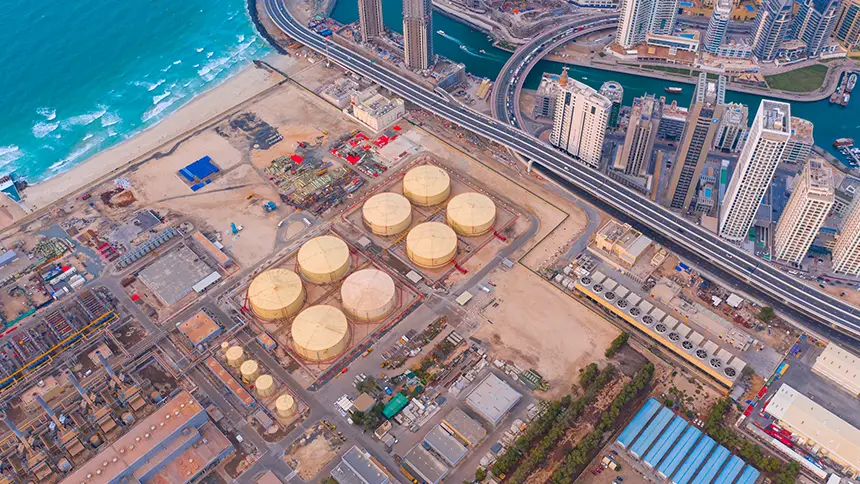
Robotics and automation are transforming the way goods are stored, handled, and delivered across the world. As technology becomes more advanced, many countries are adopting automated systems to make their logistics faster, smarter, and more reliable. The United Arab Emirates (UAE) has become one of the leading logistics hubs in the region due to its strong infrastructure, strategic location, and modern transport networks. With the rapid rise of global trade and e-commerce, the UAE is increasingly turning to robotics and automation to keep up with growing demands. Modernising warehousing systems is now essential to ensure efficiency, accuracy, and safety in the movement of goods. Automated machines, smart storage systems, and AI-powered tools help companies work more effectively while reducing human error. As a result, the UAE is setting a strong example of how advanced technology can reshape logistics and prepare the country for a more innovative future.
Growth of Robotics and Automation in the UAE
Market Expansion
The UAE is experiencing rapid growth in high-tech warehouse solutions because more companies are investing in advanced technologies to improve their operations. Businesses are increasingly choosing automated systems to make their work faster, safer, and more efficient. One major reason for this expansion is the strong rise of e-commerce in the country. With more people shopping online, there is a higher demand for quick deliveries, organised warehouses, and accurate order processing. As a result, the logistics sector needs automated machines, smart storage systems, and intelligent mechanised tools to handle large volumes of goods smoothly. This growing demand is encouraging companies to modernise their warehouses and adopt new technologies, helping the UAE stay competitive as a global logistics hub.
Government Initiatives
The UAE government plays a major role in promoting smart industrial technologies through its strong focus on AI and digital transformation. National strategies such as the UAE Artificial Intelligence Strategy aim to create a future where technology is used in every industry, including logistics and warehousing. The government also supports innovation by encouraging the development of next-generation logistics technologies, modern warehouses, and research projects related to robotics. Free zones, technology parks, and innovation centres provide a supportive environment for companies to test and adopt advanced systems. Through these initiatives, the UAE is building a smarter, more efficient logistics sector that can meet the needs of a rapidly changing world.
Key Technologies Used
Automated Guided Vehicles (AGVs) & AMRs
Automated Guided Vehicles (AGVs) and Autonomous Mobile Robots (AMRs) are widely used in modern UAE warehouses to make work faster and more efficient. These robots move around the warehouse to transport materials from one place to another, reducing the need for manual lifting and carrying. They also help with order picking by bringing items directly to workers or picking stations, which saves time and reduces errors. Because they can navigate safely on their own, AGVs and AMRs make warehouse operations smoother and more organised.
Automated Storage & Retrieval Systems (AS/RS)
Automated Storage and Retrieval Systems, also known as AS/RS, help warehouses store goods in a high-density and organised manner. These systems use machines to place and retrieve items from tall racks, allowing warehouses to use vertical space more effectively. AS/RS also make retrieval much faster, which is important for meeting delivery deadlines and handling large numbers of orders. By speeding up storage tasks and reducing mistakes, these systems greatly improve overall warehouse performance.
Robotic Arms & Cobots
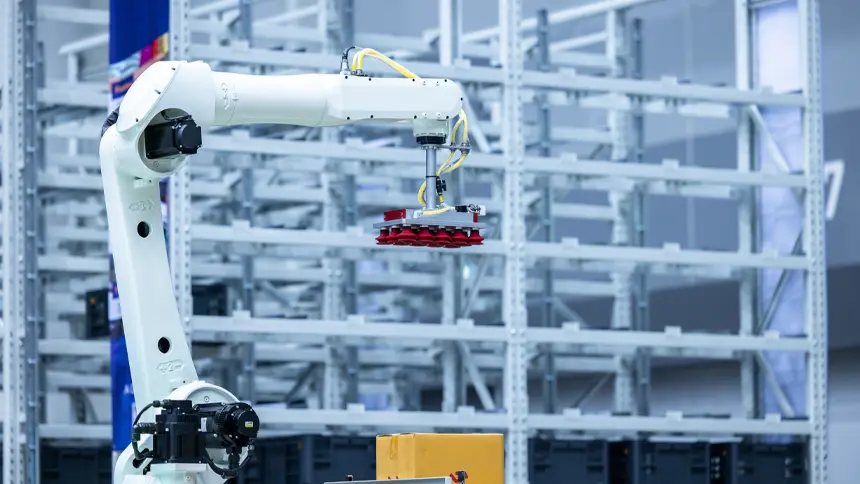
Robotic arms and collaborative robots, known as cobots, play an important role in sorting and packing goods in UAE warehouses. These machines can handle repetitive tasks such as placing items into boxes, sorting products, or preparing orders for delivery. Cobots are designed to work safely alongside human workers, helping them complete tasks quickly and accurately. This teamwork between humans and robots increases productivity while reducing physical strain on workers.
Warehouse Management Systems (WMS) & AI Analytics
Warehouse Management Systems (WMS) and AI analytics are digital tools that help warehouses stay organised and efficient. A WMS provides real-time inventory tracking, allowing staff to know exactly where each item is stored and how much stock is available. AI analytics go a step further by predicting maintenance needs for machines and robots, helping prevent breakdowns and delays. Together, these technologies make warehouse operations smarter, more reliable, and better prepared for future challenges.
Applications in Warehousing and Logistics
Advanced automated operations are used in many important tasks within warehousing and logistics to make operations faster, safer, and more accurate. One major application is in picking and packing, where robots help select the right items and prepare them for delivery, reducing errors and saving time. Automation is also used for sorting and labelling, ensuring that products are correctly organised and sent to the right destinations. Inventory management becomes much easier with smart systems that track stock levels in real time and help workers locate items quickly. Robots also assist with returns processing by sorting returned goods and helping prepare them for restocking or inspection. Additionally, automated systems allow warehouses to maintain 24/7 monitoring and safety, using sensors and robotic devices to detect issues, prevent accidents, and protect stored goods. These applications help warehouses operate more smoothly and meet the growing demands of modern logistics.
Benefits of Robotics & Automation
Robotics and automation bring many advantages to warehousing and logistics in the UAE, helping companies work more effectively. One of the main benefits is increased efficiency and speed, as robots can complete tasks much faster than humans and keep working without breaks. This also leads to reduced errors, because automated systems are highly precise and follow programmed instructions accurately. Another important benefit is improved safety, as robots can handle heavy lifting, repetitive tasks, and dangerous activities, reducing the risk of injuries for workers. Although the initial investment in automation can be high, companies save money in the long run due to lower labour costs and fewer mistakes. Robotics also help improve warehouse space utilisation by storing goods more neatly and using vertical space more effectively. Overall, these benefits make automated technological systems essential for building modern, reliable, and high-performing warehouses in the UAE.
Real-Life Examples in the UAE
The UAE has several real-life examples that show how cutting-edge automated systems are improving logistics. In Dubai, many automated warehouses now use advanced machines to store, move, and sort goods quickly, helping companies handle large volumes with ease. These warehouses often include robotic arms, automated storage systems, and smart software to speed up daily tasks. Tech-driven fulfilment centres also use automation widely, as online orders are picked, packed, and shipped with the help of advanced tools. This allows companies to deliver products faster and more accurately across the country. In addition, free zones such as Jebel Ali Free Zone and Dubai South are embracing smart logistics by encouraging businesses to adopt new technologies and offering modern facilities that support automation. These examples show how the UAE is becoming a leader in using advanced systems to create efficient, reliable, and future-ready logistics operations.
Future Trends
The future of logistics and warehousing in the UAE is expected to be shaped by several exciting trends. One major development is the use of more AI-driven robots, which will be able to make smarter decisions, move more accurately, and improve overall efficiency. Another important trend is the rise of autonomous delivery vehicles, which may transport goods without human drivers, making deliveries faster and more reliable. The UAE is also seeing strong growth in smart warehouses, where advanced technologies such as sensors, automated machines, and AI systems work together to create smoother and more organised operations. In addition, robot-powered retail logistics are expanding, helping stores and online platforms manage stock, prepare orders, and deliver products more quickly. These future trends show that the UAE is moving towards a highly modern and technology-driven logistics system that will continue to support the country’s growing economy.
Conclusion
In conclusion, the UAE is clearly becoming a leader in modern logistics transformation by strongly embracing robotics and automation. These advanced technologies are helping warehouses and logistics centres work faster, more accurately, and more safely than ever before. By reducing errors, improving safety, and increasing productivity, robotics is making the UAE’s logistics sector more competitive on a global scale. The country’s commitment to innovation, along with support from government initiatives and growing investment, shows that automation is not just a temporary trend but an essential part of the UAE’s future. As technology continues to evolve, more AI-driven robots, smart warehouses, and autonomous delivery systems will become common across the nation. With these developments, automation is set to become a core part of the UAE’s logistics ecosystem, helping the country maintain its position as a major international hub for trade, transport, and advanced supply chain operations.