Kalba, a peaceful coastal town on the eastern side of the UAE, is home to one of the region’s most treasured natural areas, the Kalba Mangroves. This unique environment blends rich biodiversity, calm waterways, and cultural history. Over the years, it has become a leading ecotourism destination, attracting nature lovers, families, researchers, adventure seekers, and travellers searching for quiet moments away from city life. The protected setting shows how conservation and responsible tourism can exist together in harmony.
Introduction to Kalba Mangroves
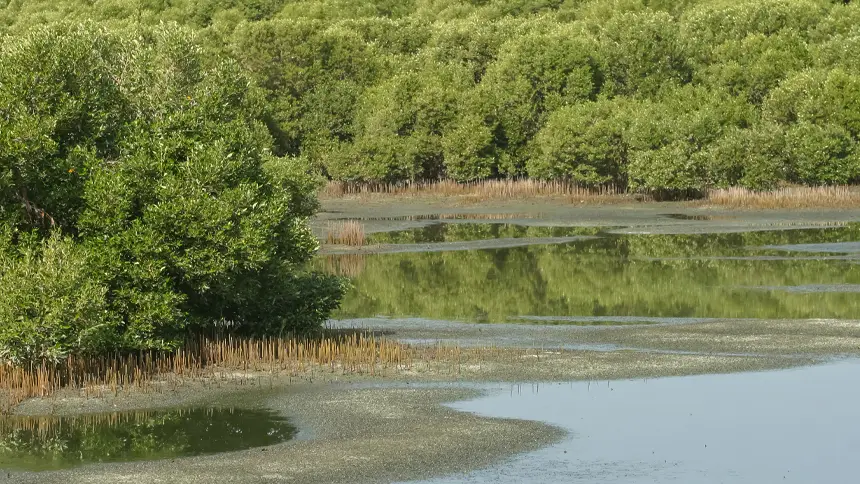
It is also known as Al Qurm, stretching along a peaceful lagoon surrounded by mountains and the sea, creating a habitat of salt-tolerant trees, shallow channels, and quiet marshes. As one of the oldest mangrove forests on the Arabian coast, it shelters rare wildlife and shows how well natural areas can thrive when protected. Its eco-friendly tourism options allow visitors to learn about nature without causing harm, and its calm atmosphere, fresh air, and long-lasting ecosystems make it a refreshing escape from the fast pace of modern cities.
The Environmental Importance of Mangroves
Mangroves in Kalba play a vital role in protecting the coastline and maintaining environmental balance. Their strong roots act as natural barriers that will reduce wave impact, prevent erosion, and filter sand and pollutants, keeping the water clean. These trees also store significant amounts of carbon, helping address climate concerns, while offering essential habitats for birds, fish, insects, and small mammals. Beneath the water, their roots create safe nurseries for young fish, crabs, shrimps, and other small creatures, supporting local fishermen and contributing to a healthier marine ecosystem overall.
Wildlife You Can See in Kalba
Kalba is famous for its vibrant wildlife. Visitors have the chance to see species not usually spotted elsewhere in the region.
Birds
- Sociable kingfisher: A globally threatened bird that lives mainly in Kalba.
- Flamingos: Often seen feeding in shallow water.
- Herons and egrets: Glide peacefully across the wetlands.
- Migratory birds: Thousands pass through during seasonal journeys.
Marine and Land Animals
- Sea turtles
- Small fish species
- Crabs
- Foxes
- Insects that thrive in humid coastal settings
Every visit offers a different experience because wildlife activity changes with tides, seasons, and migration patterns.
Kalba Mangrove Reserve Facilities
The Kalba Mangrove Reserve is carefully designed with rules and thoughtful facilities that protect the ecosystem while giving visitors a safe and enjoyable experience. A modern visitor centre offers educational displays, wooden walkways lead deep into the forest, and viewing platforms provide excellent spots for observation and photography. Kayaking stations run by trained guides allow gentle exploration of the waterways, while quiet zones ensure wildlife remains undisturbed. Organised tour schedules also help control crowd levels, creating a balanced environment where tourism and nature can thrive together.
Activities for Eco-Tourists
Visitors can explore the mangroves in many thoughtful ways. Each activity helps people understand nature better while ensuring minimal impact.
- Kayaking – Paddling through narrow waterways is one of the most popular activities. It allows close observation of trees and wildlife, ensures silent movement that reduces disturbance, and is best enjoyed during calm tides.
- Guided Nature Walks – Experts lead groups along raised paths. It helps visitors learn about plant types, offers insights into conservation methods, and is suitable for families and school groups.
- Birdwatching – This location is a paradise for bird lovers. The best bird sightings occur in the early morning and late afternoon, with viewing shelters to maintain distance and professional guides available to assist.
- Photography Tours – The combination of green trees, blue water, and soft sunlight creates beautiful scenery. These tours are ideal for both beginners and professionals and include quiet stops for long-lens photography.
Some tours include stories about local history, old fishing practices, and long-standing coastal traditions.
Conservation Efforts That Protect the Area
Kalba Mangroves are protected through strong environmental policies. These steps help ensure long-term survival.
Major Conservation Actions
Major conservation efforts at Kalba Mangroves include limiting visitor numbers during sensitive seasons, restoring damaged areas through new planting, and monitoring wildlife populations. Scientific studies track ecosystem health, while educational programs in schools teach young people about nature. Water activities are carefully regulated to prevent harm to nesting sites, ensuring the mangroves remain protected for future generations.
Community Involvement
Local residents, volunteers, and environmental groups actively engage in clean-up events, awareness workshops, and reporting harmful activities. These collective efforts foster a strong sense of shared responsibility for protecting the mangroves and preserving the ecosystem.
The Role of Eco-Tourism in Sustainable Development
Ecotourism in Kalba supports the economy while preserving the environment, showing that tourism can thrive without harming natural spaces. It creates jobs for guides, rangers, and service staff, encourages businesses to adopt green practices, provides funding for research and conservation, and inspires similar eco-friendly projects across the region. Visitors also gain awareness of the fragility and value of mangrove ecosystems, encouraging responsible behaviour at other natural sites.
Local Culture and the Human Connection
Kalba’s history is deeply connected to the sea, fishing, and natural landscapes, with the mangroves forming an integral part of the community’s identity. Traditional fishing techniques, stories passed down through generations, coastal crafts inspired by nature, and heritage houses reflecting early life near the shore all highlight this bond. Visiting the mangroves allows travellers to gain insight into the lifestyle of people who lived in close harmony with nature.
Travel Tips
Ecotourism works efficiently when visitors follow guidelines that protect the ecosystem. A few simple habits can make a huge difference.
Do’s
- Follow all rules and instructions
- Use designated paths
- Keep noise levels low
- Carry reusable water bottles
- Join guided tours for deeper understanding
Don’ts
- Do not disturb animals
- Avoid touching branches, roots, or nests
- Do not feed wildlife
- Avoid collecting shells or plants
- Never throw waste into water or on the ground
Respectful behaviour ensures that the area remains healthy for future travellers.
Best Time to Visit
Kalba can be visited year-round, but October to April offers cooler weather and more wildlife. Early mornings and sunsets provide peaceful moments and great photography opportunities.
Benefits for Families and Students
Kalba Mangroves offer great experiences for families, children, and students. They help children learn about ecosystems, spark curiosity in science, and teach environmental awareness, supporting school lessons in geography and biology. Families can enjoy safe walkways, calm waters, wildlife photography, and peaceful moments away from crowds, creating meaningful time together in nature.
Future Plans and Developments
Authorities are enhancing Kalba while prioritising conservation. Future plans include more research stations, improved interactive learning tools, expanded guided programs, larger protected zones, and stronger international partnerships. These initiatives aim to keep the mangroves a lasting symbol of responsible tourism in the region.
Conclusion
Kalba Mangroves stand as a shining example of ecotourism done correctly. The green trees, calm waters, and rich wildlife create a natural sanctuary that teaches visitors the value of protecting our planet. Every walkway, kayak route, and viewing platform is designed to help people enjoy nature without causing harm. By supporting conservation practices and following responsible travel habits, visitors help keep this environment safe for generations.