The United Arab Emirates has transformed its deserts into productive farmlands using smart irrigation, greenhouses, and modern growing systems. Among the many crops thriving in this environment, edible flowers and herbs stand out for their colour, aroma, and nutritional value. Chefs, home cooks, and food lovers across the country use these delicate ingredients to add freshness and beauty to dishes. This article explores the varieties grown on local farms, how they are cultivated, and why they are becoming increasingly popular.
Why Edible Flowers and Herbs Matter in UAE Cuisine
Edible flowers and herbs bring a natural taste, pleasant fragrance, and bright colour to many dishes in the UAE. They help turn simple meals into something more attractive and give both traditional and international recipes a fresh, modern touch. As their popularity grows, restaurants and hotels across the country are using them more often, which encourages farmers to increase production through clean and responsible growing methods.
These ingredients offer many advantages. They introduce new flavours like citrus, mint, honey, or spice while giving dishes extra nutrients such as antioxidants, vitamins, and minerals. They also improve the appearance of salads, desserts, teas, and main courses. By choosing locally grown varieties, people support regional agriculture, reduce environmental impact, and ensure chefs receive fresh, chemical-free ingredients for their creations.
Types of Edible Flowers Grown in UAE Farms
Many farms in the UAE cultivate flowers that can safely be eaten. These blooms are grown without harmful chemicals, making them suitable for decoration and cooking.
Nasturtium
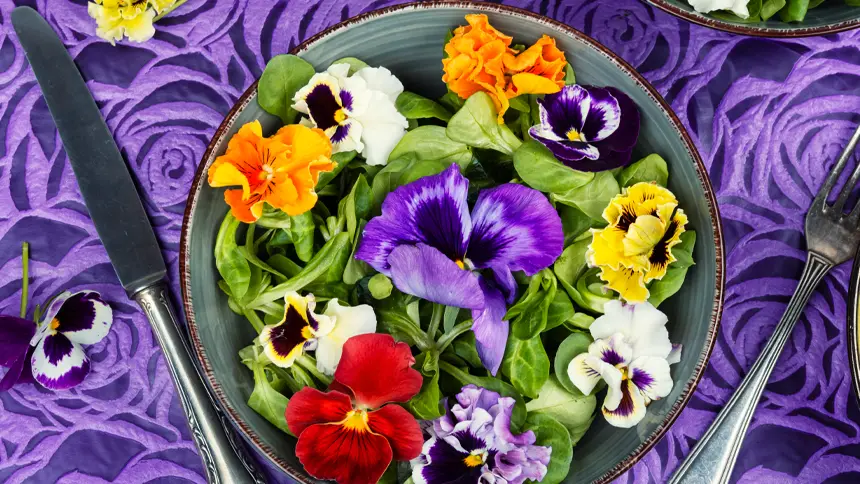
Nasturtium is known for its bright petals and peppery taste. The plant grows well in cooler seasons and offers both beauty and strong flavour. They have round leaves and vibrant blooms in orange, yellow, or red, a crisp texture that suits salads, and a slightly sharp, watercress-like taste.
Uses
- Salad topping
- Sandwich garnish
- Decoration for cold dishes
Marigold (Calendula)
Calendula is often called the “poor man’s saffron” because its petals can colour food naturally. It has a mild, earthy taste and is easy to grow in controlled UAE farm environments. It has golden petals with a gentle aroma, a slightly tangy flavour, and a long flowering season.
Uses
- Natural food colouring
- Soup garnish
- Herb butter and spreads
Viola (Pansy)
Violas are popular for their charming patterns and cool colours. They are delicate but grow well in shaded greenhouse systems. They feature multicoloured petals, a mild and slightly sweet taste, and a soft texture.
Uses
- Dessert decoration
- Cold drink garnishing
- Salad enhancement
Lavender
Lavender offers a soothing fragrance and a calm, floral flavour. UAE farms cultivate certain varieties known for culinary use. It has purple buds full of aroma, a distinct floral taste, and a strong scent even when dried.
Uses
- Herbal teas
- Baked goods
- Infused syrups
Rose Petals
Certain roses grown in the UAE are safe to eat and have a gentle sweetness. It has soft pink or red petals, a sweet perfume, and a smooth texture.
Uses
- Tea blends
- Desserts
- Rose-flavoured syrups
Herbs Cultivated in UAE Farms
Fresh herbs are widely used across the Emirates. Modern farms supply hotels, restaurants, and households with fragrant, chemical-free varieties grown through hydroponic and soil-based farming.
Basil
Basil thrives in warm climates, making UAE greenhouses ideal for year-round cultivation.
Varieties Found in Farms
- Sweet basil
- Thai basil
- Lemon basil
Uses
- Pasta
- Soups
- Salads
- Herbal oils
Mint
Mint is one of the most widely grown herbs in the country. It grows quickly and adds refreshing coolness to food and drinks. It has a strong fragrance, a cooling flavour, and is a hardy plant.
Uses
- Teas
- Juices
- Salads
- Meat preparations
Coriander
Coriander offers a sharp, citrus-like taste that suits many regional dishes. It has soft, bright leaves, a sweet-spicy aroma, and a short growth cycle.
Uses
- Curries
- Mixed salads
- Fresh sauces
Thyme
Thyme is valued for its earthy, warm flavour. Greenhouses allow steady production despite the harsh outdoor climate. It has small leaves, a strong scent, and a long-lasting flavour.
Uses
- Grilled meat
- Soups
- Roasted vegetables
Rosemary
Rosemary grows extremely well in warm weather. Many UAE farms plant it outdoors or in partially shaded areas. It has needle-shaped leaves, a pine-like fragrance, and a robust taste.
Uses
- Marinated dishes
- Oven-baked potatoes
- Bread and focaccia
Dill
Dill offers a soft, feather-like appearance and a mild, refreshing flavour. It has aromatic leaves, a light, grassy taste, and works well with seafood.
Uses
- Fish
- Pickles
- Cold salads
How UAE Farmers Grow These Crops Successfully
Growing delicate plants in a desert requires careful planning and smart systems. UAE agriculture combines traditional knowledge with new technology to keep flowers and herbs healthy.
Hydroponics
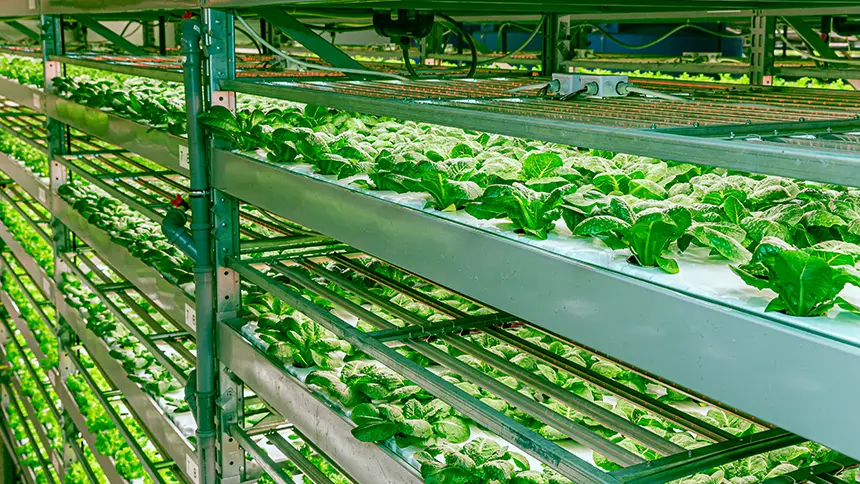
Hydroponic systems help plants grow without soil. Nutrients are delivered through water, giving farmers full control of the growing environment. It uses up to 90% less water, produces clean and pesticide-free crops, and allows year-round cultivation.
Greenhouses
Greenhouses with climate control protect crops from harsh heat, dust, and humidity changes. It provides a stable temperature, reduces pests, and supports healthy growth with better yield.
Drip Irrigation
Drip irrigation ensures each plant receives the correct amount of water. It saves water, prevents soil erosion, and supports steady growth.
Organic Farming Practices
Many UAE farms reduce chemicals and focus on natural methods. Common organic techniques include composting, natural pest control, and the use of eco-friendly fertilisers.
How Edible Flowers and Herbs Are Used in UAE Kitchens
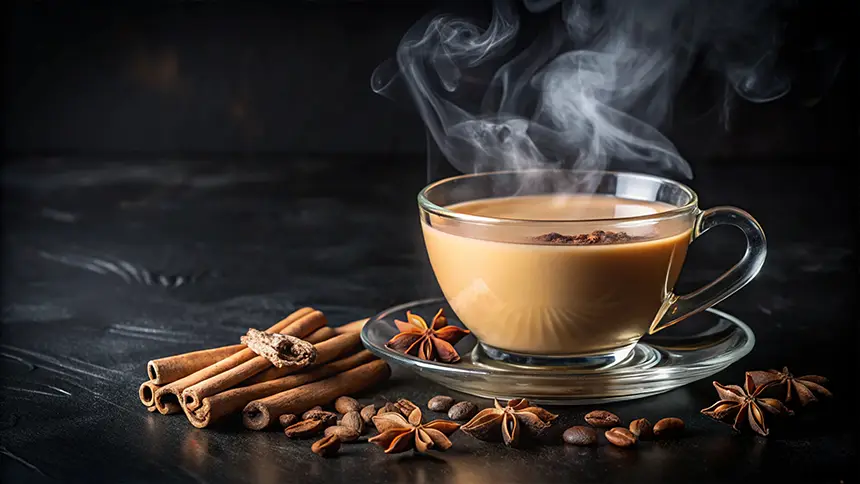
They are used widely in UAE kitchens, where chefs and home cooks enjoy adding freshness, colour, and unique flavour to their dishes. In modern restaurants across Dubai, Abu Dhabi, Sharjah, and other cities, these ingredients appear on fine-dining plates as salad decoration, natural flavour enhancers, and artistic touches for signature meals and creative desserts. At home, residents use them in simple everyday dishes, such as mint in lemon drinks, basil in pasta, lavender in tea, and marigold petals in rice. They are also popular in beverages, with rose petals, lavender, mint, and basil seeds commonly added to teas, juices, and refreshing blends enjoyed in cafés and households.
Health Benefits
They provide more than just flavour, as they also support overall wellness. They contain antioxidants that protect cells, along with vitamins and minerals that help strengthen immunity. Many of them include natural oils that improve digestion, while certain floral infusions offer calming effects, making these ingredients both tasty and beneficial for health.
Conclusion
Edible flowers and herbs grown in UAE farms show how creative and advanced local agriculture has become. These plants add beauty, taste, and health benefits to food. They also help chefs prepare impressive dishes and allow home cooks to enjoy natural flavours. With modern growing systems, farmers can produce clean and fresh ingredients even in a tough desert climate. Choosing these local products supports the farming community and encourages healthier cooking. The rising popularity of edible flowers and herbs highlights the UAE’s dedication to quality, freshness, and sustainable food.