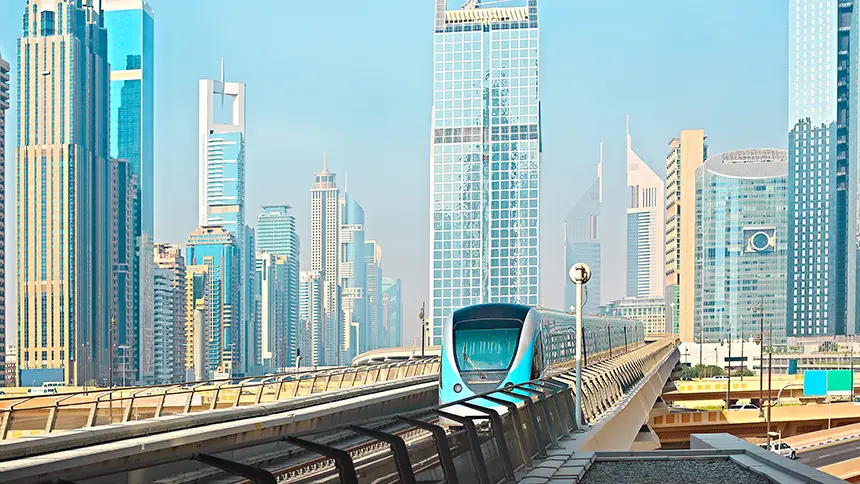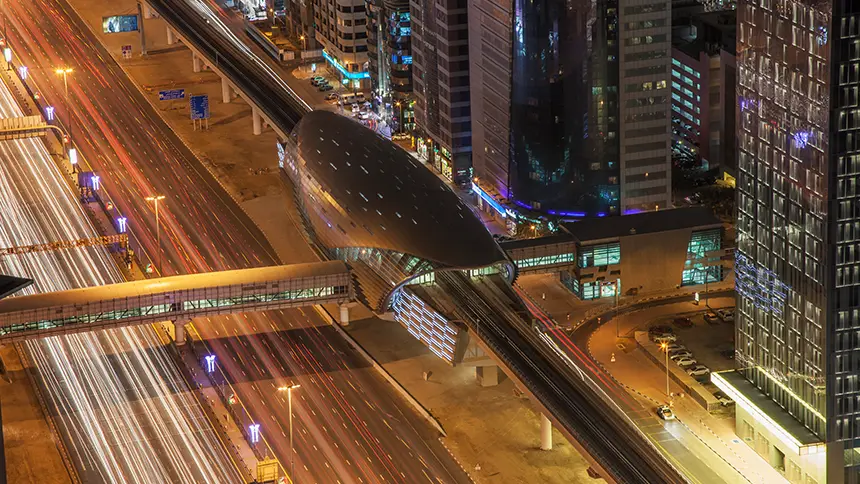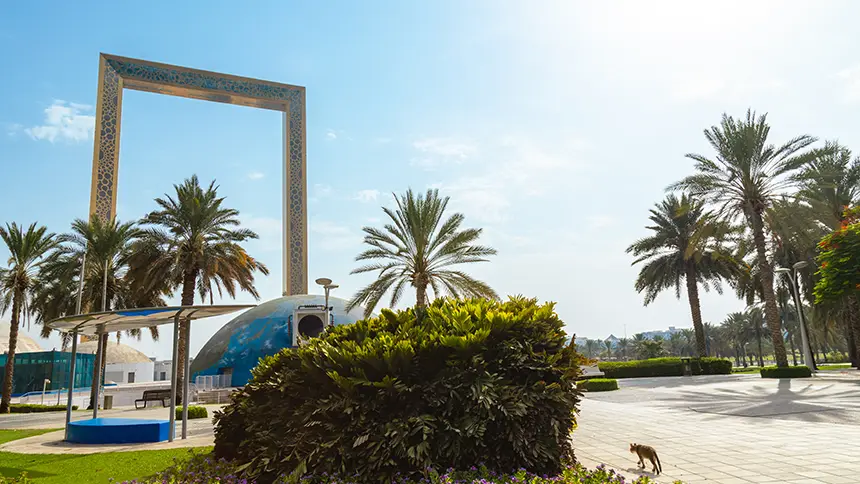
Across the United Arab Emirates, public parks have evolved into vibrant community hubs that balance the nation’s modern skylines with the tranquility of nature. In cities like Dubai, Abu Dhabi, and Sharjah, these green sanctuaries offer residents and visitors spaces to relax, exercise, and connect. From family picnics in Zabeel Park to morning jogs in Umm Al Emarat Park and cultural events at Al Majaz Waterfront, each garden reflects the UAE’s commitment to sustainability, wellness, and community living.
The Social Role of Public Parks
In the UAE’s diverse society, where people from over 200 nationalities live and work together, public parks serve as shared spaces that encourage unity and cultural exchange. They offer a natural setting where residents and visitors can relax, celebrate, and connect beyond the boundaries of language or background.
Events such as outdoor markets, yoga classes, movie nights, and music festivals hosted in green spaces like Safa Park or Al Ittihad Park bring people together in a relaxed atmosphere. Playgrounds, picnic areas, and pet-friendly zones strengthen neighborhood bonds, offering families and friends a chance to socialize. In a fast-paced, urban environment, these green spaces help reduce isolation and remind everyone that community spirit grows through simple, everyday interactions.
Parks as Catalysts for Healthy Living
Aligned with national initiatives like the “Dubai Fitness Challenge” and “Abu Dhabi 360,” public parks in the UAE play a vital role in promoting health and well-being. With jogging tracks, cycling routes, and sports areas in places like Mushrif Park and Al Montazah Parks, they encourage active living and outdoor recreation. Surrounded by greenery, people find relief from stress and renewed energy under the open sky. Families gather for yoga, walks, and play, turning these spaces into everyday wellness hubs that remind everyone that true vitality begins with nature, even amid modern city life.
Environmental Importance of Public Gardens
Public gardens across the UAE play a crucial role in maintaining environmental balance within rapidly growing cities. They act as the “green lungs” of urban areas, filtering air pollutants, releasing oxygen, and regulating temperatures, especially important in a desert climate.
These spaces also support biodiversity, offering habitats for birds, butterflies, and native plants. Parks like Dubai Creek Park and Al Ain Oasis showcase how careful landscaping and native vegetation can thrive even in arid environments. Many gardens now use advanced irrigation and solar-powered systems to conserve water and energy. By integrating sustainability into urban design, the UAE’s public gardens demonstrate the country’s commitment to environmental stewardship and the harmony between modern development and natural preservation.
Cultural and Recreational Hubs
In addition to providing natural beauty, the UAE’s public parks serve as cultural and recreational centers that reflect the nation’s rich traditions and cosmopolitan identity. They host festivals, performances, and exhibitions that celebrate art, music, and diversity.
Spaces like Al Majaz Waterfront in Sharjah and Dubai’s Creek Park regularly host national day events, heritage festivals, and art installations that attract families and tourists alike. Sculptures, murals, and light shows bring creativity into the public realm, while open-air theaters and amphitheaters host performances under the stars. Parks also hold fitness classes, environmental workshops, and children’s programs that encourage learning and fun. These experiences transform ordinary green spaces into cultural landmarks where joy and creativity flourish freely.
Economic and Civic Benefits
The UAE’s commitment to creating well-designed parks delivers significant economic and social value. These green spaces attract residents and tourists alike, boosting nearby businesses and increasing property values. Cafés, rental kiosks, and pop-up markets around parks generate employment in areas such as landscaping, maintenance, and event management, making them key contributors to local economies and urban growth.
Beyond their financial impact, these green spaces also strengthen civic engagement and environmental awareness. Community initiatives like clean-up campaigns and tree-planting drives encourage residents to take pride in their surroundings. By actively participating in park upkeep, people develop a deeper connection to their neighborhoods, helping build a culture of care, unity, and shared responsibility across the Emirates.
Designing Parks for Modern Lifestyles
Modern park design in the UAE reflects the country’s forward-thinking approach to urban living. As cities evolve, these spaces are built to be inclusive, accessible, and sustainable, catering to families, children, the elderly, and people of determination alike.
Parks such as Umm Al Emarat in Abu Dhabi and Dubai Hills Park showcase innovative features like smooth walking paths, shaded seating areas, and play zones with cooling systems for year-round comfort. Many also offer Wi-Fi connectivity, solar-powered lighting, and smart waste management. Sustainability is central to their design, with native plants, recycled materials, and efficient irrigation systems that reduce water use. These modern oases balance tranquility with technology, blending nature’s calm with the dynamism of the UAE city life.
Parks as Educational Spaces
Across the Emirates, public parks act as open-air classrooms that promote learning about nature, sustainability, and Emirati heritage. Trails in places like Al Ain Zoo and Jubail Mangrove Park teach visitors about native wildlife and ecosystems, while community gardens and eco-workshops encourage awareness of farming, recycling, and water conservation, core elements of the UAE’s green vision. School visits to these spaces offer hands-on lessons in science and geography, turning urban oases into living classrooms that inspire respect for nature and a balance between tradition and progress.
Challenges
Despite the UAE’s strong commitment to green development, public gardens face challenges linked to maintenance, climate, and urban expansion. Harsh weather conditions make landscaping and irrigation demanding, while rapid construction can limit available green areas. Funding and upkeep are essential to preserve beauty and accessibility, as neglected spaces can quickly lose their appeal.
Pollution and careless behavior also threaten the environment, emphasizing the need for public awareness and responsible use. Overcoming these challenges requires cooperation between government authorities, private organizations, and citizens, ensuring that parks continue to flourish as inclusive, sustainable community spaces.
The Future of Public Gardens
The future of the UAE’s parks lies in innovation, sustainability, and smart design. Urban planners are integrating digital tools, renewable energy, and environmentally friendly infrastructure to create greener and more engaging spaces.
Upcoming projects feature green corridors that connect multiple parks, encouraging cycling and walking routes across cities. Eco-spaces powered entirely by solar energy and equipped with smart irrigation systems are becoming more common. Interactive art, cultural installations, and light shows enhance visitor experiences, turning evenings into lively community gatherings. As part of the UAE’s broader vision for sustainable cities, these evolving public gardens will continue to shape how people connect, learn, and live together.
How Individuals Can Make a Difference
Everyone in the UAE can help keep public parks vibrant and beautiful through simple actions like joining clean-up drives, planting trees, and caring for the environment. Supporting local events and advocating for more green spaces in future developments strengthens community spirit. When residents take pride in their public gardens, they help preserve these shared oases for future generations to enjoy.
Conclusion
Public parks in the UAE are far more than recreational areas; they are reflections of national values, community harmony, and sustainable living. They bring together people of diverse cultures, promote well-being, and serve as reminders of the importance of balance between progress and preservation.
In a nation where innovation blends with tradition, public gardens provide peaceful spaces for connection and joy amid the desert’s golden scenery. Every sunset walk, cultural gathering, or tree planting adds to the UAE’s vision of a greener, more joyful future. By cherishing and protecting these spaces today, the country ensures future generations inherit vibrant communities, cleaner air, and a lasting bond with nature, the true essence of modern Emirati life.