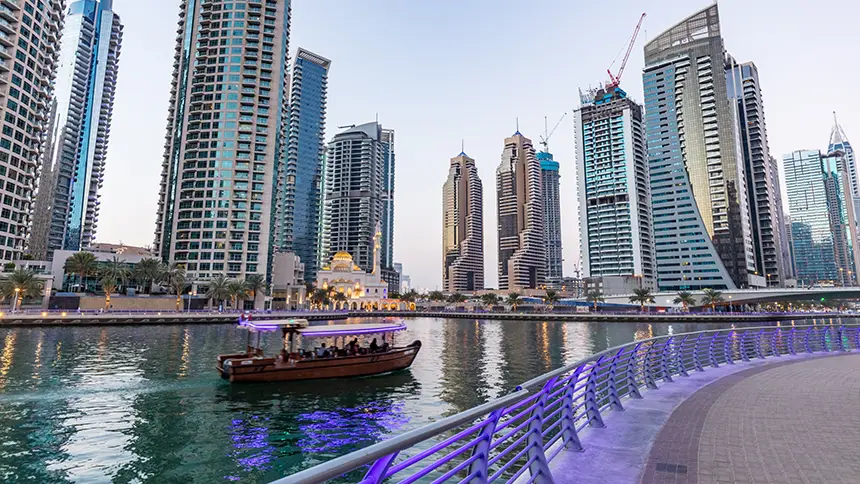
In the bustling heart of Dubai, where glass towers and highways define the skyline, lies an unexpected natural wonder, Ras Al Khor Wildlife Sanctuary. Just a short drive from Downtown Dubai and the iconic Burj Khalifa, this protected wetland offers a quiet escape filled with shimmering lagoons, lush mangroves, and thousands of graceful birds.
While the city is known for luxury, shopping, and architecture, this place adds a refreshing contrast, a place where nature flourishes right next to the urban jungle. Visitors are often surprised to see flocks of pink flamingos elegantly wading in the shallow waters, creating a breathtaking view framed by Dubai’s modern backdrop.
The Meaning of “Ras Al Khor”
This name translates to “Cape of the Creek.” It sits at the end of Dubai Creek, where saltwater meets the desert sands. This area has long been a natural resting ground for migratory birds traveling along one of the world’s great flyways, linking Africa, Europe, and South Asia.
What makes it truly special is how it has survived and thrived even as Dubai expanded around it. Instead of clearing the wetlands for construction, the government chose to protect them, turning the site into a sanctuary for wildlife and a symbol of sustainability.
A Sanctuary with a Purpose
Ras Al Khor is more than just a tourist attraction, it’s an ecological reserve managed by Dubai Municipality. Covering over 6 square kilometers, it includes salt flats, lagoons, mudflats, and mangrove forests. The sanctuary provides vital habitats for fish, plants, and over 450 species of animals, including:
- Migratory and resident birds
- Crabs and small fish
- Mangroves and salt-tolerant plants
- Insects that support the food chain
This mix of life helps maintain a healthy ecosystem, balancing urban growth with environmental care.
The Flamingo Spectacle
The Star Residents
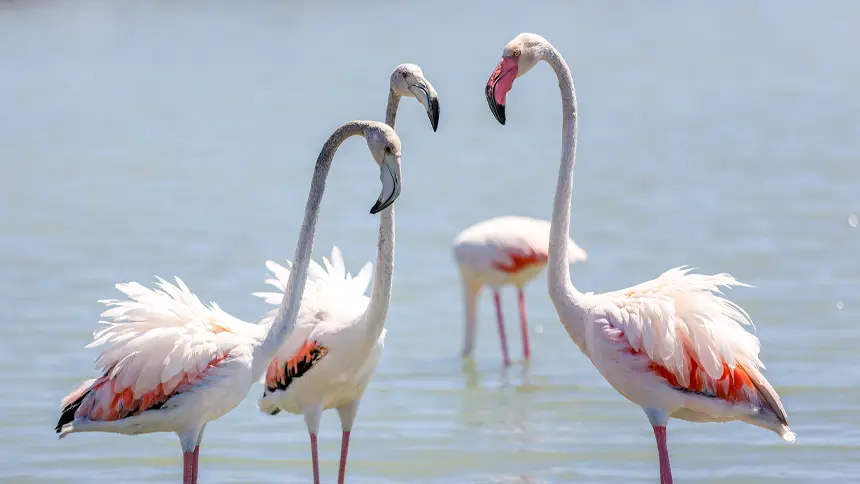
Among all the creatures found here, none attract more attention than the Greater Flamingos. Every winter, thousands of them gather at the sanctuary, transforming the shallow waters into a sea of soft pink.
These birds, with their long necks and slender legs, feed on small crustaceans and algae that give their feathers their famous rosy color. Watching them move in harmony, dipping their beaks into the water and spreading their wings, is a mesmerizing experience.
Best Time to See Them
The flamingo season runs mainly from November to March, when the weather is cooler, and the birds migrate from colder regions. Early mornings or late afternoons offer the best lighting and activity.
During these hours, visitors can watch flamingos feeding, flying in groups, or standing still in graceful poses, perfect for photography.
Other Birds to Spot
While flamingos are the main attraction, this Sanctuary is home to more than 200 bird species. Birdwatchers and photographers can often spot:
- Grey herons
- Egrets
- Cormorants
- Ospreys
- Black-winged stilts
- Sandpipers
- Kingfishers
Each species plays its role in the sanctuary’s natural rhythm. The variety of birds changes with the seasons, making every visit unique.
Visitor Experience
Getting There
The sanctuary lies just off the Al Ain-Dubai Road (E66) and can be accessed easily by car or taxi. It’s about 15 minutes from Downtown Dubai and roughly 20 minutes from Dubai International Airport, making it ideal for a short nature stop during city tours.
Observation Hides
To make the experience comfortable and educational, Dubai Municipality has built three bird hides, or viewing shelters, open to the public.
- Flamingo Hide (Main): The most popular spot, offering direct views of the flamingo flocks.
- Mangrove Hide: Overlooks green mangrove clusters and attracts herons and egrets.
- Lagoon Hide: Perfect for spotting waders, gulls, and other shorebirds.
Each hide is equipped with binoculars, seating, and information boards describing the species and environment. Entry is free of charge, reflecting the city’s commitment to public environmental education.
Educational Value
It serves as an outdoor classroom for students, researchers, and nature enthusiasts. School visits and interactive programs teach visitors about the role of wetlands in climate balance, bird migration patterns, and how mangroves protect coastlines. Through these hands-on experiences, the sanctuary nurtures environmental awareness and inspires future generations to care for nature.
Photography Paradise
For photographers, it is a dream come true. The combination of urban skyline and natural scenery creates unique compositions found nowhere else. You can capture flamingos in flight against the backdrop of the Burj Khalifa, or silhouettes of herons at sunset over the water.
Photographers should visit during the golden hour, use a zoom lens, avoid flash, and bring a tripod for steady long shots without disturbing the wildlife. The tranquil setting offers endless opportunities to capture stunning, natural moments of Dubai’s hidden oasis.
The Role of Mangroves and Wetlands
Ras Al Khor’s charm extends beyond its birdlife to the vital role of its mangroves and wetlands. These natural ecosystems filter water, absorb carbon, and act as barriers against floods, while also serving as breeding grounds for fish and other marine life. By moderating urban temperatures and supporting biodiversity, they play a crucial part in Dubai’s long-term environmental sustainability efforts.
Sustainability and Conservation Efforts
Dubai takes environmental protection seriously, and Ras Al Khor reflects that commitment. Declared a protected area in 1985 and recognized as a Ramsar Wetland in 2007, the sanctuary is carefully managed through regular bird monitoring, water quality checks, limited access to fragile zones, and public awareness programs that encourage ecotourism. These efforts help preserve the sanctuary’s delicate balance, allowing wildlife and visitors to coexist in harmony for generations to come.
Guidelines for Visitors
To protect the sanctuary’s fragile environment, visitors are encouraged to follow a few simple rules:
- Keep noise to a minimum to avoid disturbing birds.
- Do not feed or touch the wildlife.
- Stay inside the designated hides and walkways.
- Avoid littering; use provided bins.
- Refrain from using drones or loud equipment.
By following these guidelines, tourists help preserve the delicate ecosystem while enjoying a peaceful experience.
Traveler Tips
Before you visit, keep these practical tips in mind:
- The sanctuary is open Saturday to Thursday (closed on Fridays).
- Visiting hours are 7:30 AM to 5:30 PM during winter and 6:00 AM to 6:00 PM in summer.
- There’s no entry fee, and no booking is required for individuals.
- Carry water, a hat, and sunscreen, especially in warmer months.
- Binoculars or a camera enhance the viewing experience.
Remember, the sanctuary is about quiet observation and respect for living creatures.
Conclusion
Ras Al Khor Wildlife Sanctuary is not just a place to see flamingos; it’s a living symbol of Dubai’s balance between progress and preservation. Here, you can witness two worlds meet, the wild and the urban, in perfect harmony. For travelers seeking more than shopping malls or skyscrapers, this sanctuary offers something deeper: a connection to the Earth, an appreciation of biodiversity, and a sense of peace. So next time you’re in Dubai, take a short detour from the city’s bright lights and visit this quiet corner where flamingos dance beneath the skyline, a sight that truly captures the spirit of modern tourism in harmony with nature.