In recent years, the way people earn in the UAE has changed greatly. The country is now becoming a centre for modern and flexible employment styles. After the pandemic, many professionals started working from home or choosing to be freelancers instead of doing regular office jobs. This shift has led to the fast growth of the freelancing economy, especially in fields like media, technology, and design. To support this change, shared workplaces have become very popular in cities like Dubai and Abu Dhabi. These collaborative hubs provide affordable professional areas, high-speed internet, and a friendly environment for people to connect and share ideas. They are also helping young entrepreneurs and small businesses grow without spending too much money on rent. As a result, shared work hubs are now an important part of the UAE’s new employment culture, promoting creativity, teamwork, and innovation among its growing freelance community.
Growth of the Freelancing Economy in the UAE
Government Support and Licensing
The UAE government has made freelancing easier by introducing special licenses and freelance visas. People can now apply for permits in free zones like Dubai Media City, Ras Al Khaimah Economic Zone, and Abu Dhabi’s twofour54. These zones allow professionals to operate legally without starting a big company. The government also launched virtual job programs that let people from other countries live in the UAE while working online for global clients. This support has encouraged many skilled workers, especially young people, to become freelancers and start small businesses.
Popular Sectors for Freelancers
Freelancing in the UAE is growing fast in many fields. Jobs in technology, digital marketing, education, and graphic design are especially popular. Many media professionals, photographers, and writers also work independently. The demand for creative and technical skills is increasing because companies prefer hiring experts for short-term projects. This allows freelancers to collaborate with local and international clients while enjoying flexible schedules.
Benefits of Freelancing
Freelancing offers many advantages to workers in the UAE. It gives people the freedom to choose their own projects and working hours. Many enjoy working from anywhere, including home or shared offices. Freelancers can also earn income from different clients around the world, giving them global exposure. This kind of occupation helps people build confidence, learn new skills, and balance their personal and professional lives better than traditional office jobs.
The Rise of Co-Working Spaces
What Are Co-Working Spaces?
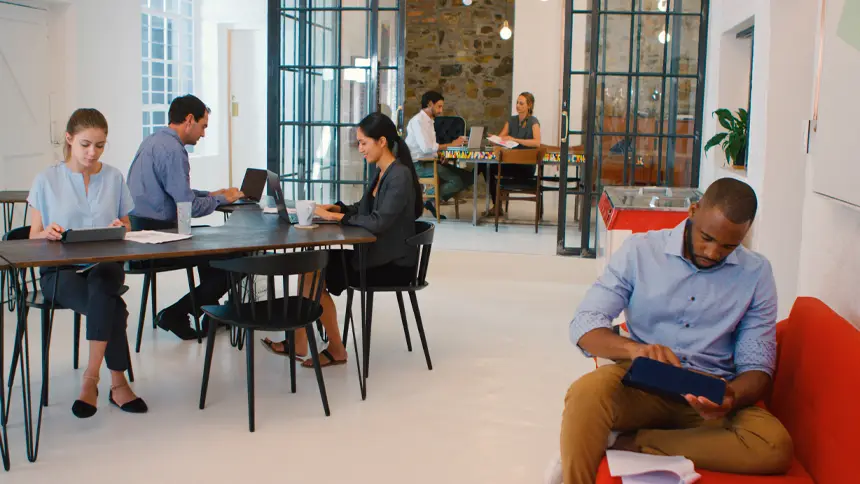
These collaborative offices are places where people from different jobs or companies can operate together in one space. They are designed for freelancers, startups, and small businesses that need a professional environment without paying for a full office. There are different types of flexible work hubs, such as hot desks that anyone can use for a day, dedicated desks for regular users, and private offices for small teams. These places often provide meeting rooms, high-speed Wi-Fi, and free coffee, making them comfortable and modern work environments for everyone.
Growth Statistics
In the past few years, collaboration centers have become very popular in the UAE, especially in Dubai, Abu Dhabi, and Sharjah. The demand has grown quickly as more freelancers and small companies prefer flexible business setups. Dubai has the largest number of shared work hubs, attracting both local and international professionals. Studies show that the market for flexible offices in the UAE is expected to keep rising as hybrid and remote employment styles continue to grow.
Key Features and Benefits
These flexible workspaces offer many useful features that make professional life easier and more enjoyable. They are affordable compared to renting private offices and provide a chance to meet other professionals. These community-driven workplaces often organize events, workshops, and networking sessions that help people share ideas and find new opportunities. The friendly community atmosphere also helps workers stay motivated and creative. For freelancers and small businesses, flexible workplaces are a great way to stay productive while feeling part of a larger professional network.
Connection Between Freelancers and Co-Working Spaces
Why Freelancers Prefer These Work Hubs
Freelancers in the UAE prefer shared office environments because they offer a professional and comfortable place to operate. These modern workspaces provide all the basic facilities like internet, printers, and meeting rooms, which are often hard to get at home. They also allow freelancers to meet people from different industries, creating chances for teamwork and new projects. Since collaborative spaces have flexible plans, users can rent a desk for a day, week, or month without long contracts. This freedom helps freelancers manage their budget and job schedule easily. The lively and creative atmosphere also keeps them motivated and focused throughout the day.
Examples of Popular Work Hubs
Many famous collaborative hubs in the UAE attract freelancers from different fields. AstroLabs in Dubai is well-known for helping digital startups and tech experts. Letswork offers shared work areas in cafés, hotels, and common offices across the country. WeWork provides modern professional environments with great facilities and community events. The Bureau Dubai is another popular spot, especially for women entrepreneurs and creative professionals. These networking hubs not only give freelancers a place to work but also help them build strong networks and grow their careers.
Challenges and Limitations
Even though freelancing and shared workplaces are growing fast in the UAE, they also come with some challenges. One of the main problems is the high cost of renting flexible offices in prime areas like Downtown Dubai or Abu Dhabi. Many freelancers and small businesses find it expensive to pay for premium offices every month. Another challenge is the process of getting a visa or license, which can be confusing for people new to the country.
Different free zones have different rules, and it takes time to understand the requirements. Besides this, competition among freelancers is increasing, as more people are choosing independent employment. To stand out, freelancers must keep improving their skills and offer unique services. Despite these issues, the UAE continues to attract talented professionals because of its modern infrastructure, supportive policies, and growing demand for creative and digital work.
Future Outlook
The future of freelancing and flexible office hubs in the UAE looks very bright. Many experts believe that shared office centers will soon expand to smaller emirates like Sharjah, Ras Al Khaimah, and Ajman, making flexible employment options more affordable and accessible. The UAE government is also introducing new programs to support gig workers by offering easier licenses, better visa options, and training opportunities. Another major trend is the rise of hybrid workplaces, where people split their time between home and the office. This model is becoming popular among both companies and freelancers. The country is also attracting digital professionals who earn remotely while traveling through special remote job permits. With modern infrastructure, advanced technology, and strong business support, the UAE is creating one of the most friendly environments in the region for flexible professional life. This growth will continue to encourage innovation, collaboration, and new career opportunities for everyone.
Conclusion
The UAE is moving quickly towards a more flexible and modern employment culture. With the rise of freelancing and modern work hubs, people now have more freedom to choose how and where they work. This change is helping many professionals start their own careers and businesses without needing large offices or heavy investments. Collaborative workplaces have become a major part of this growth by offering affordable professional setups, networking opportunities, and a creative environment. Together, freelancing and flexible offices are shaping the country’s new economy, supporting innovation and entrepreneurship. The government’s efforts to promote remote work and digital skills are also creating a strong future for young workers. As technology and new ideas continue to develop, the UAE will remain a global hub for flexible work, sustainability, and creativity, inspiring more people to follow independent career paths and build successful futures.