Food in the United Arab Emirates tells stories of trade, migration, and hospitality. Among the many traditions shared across the Middle East, mezze stands out as one of the most inviting. The word “mezze” means small dishes served together, a style that celebrates variety, flavor, and sharing. Whether enjoyed in homes or elegant restaurants, it represents a way of eating that brings people together.
In the UAE, this custom has grown to blend Arab, Levantine, and Mediterranean influences. It mirrors the nation’s diverse population and love for gathering around good food.
What Is Mezze?
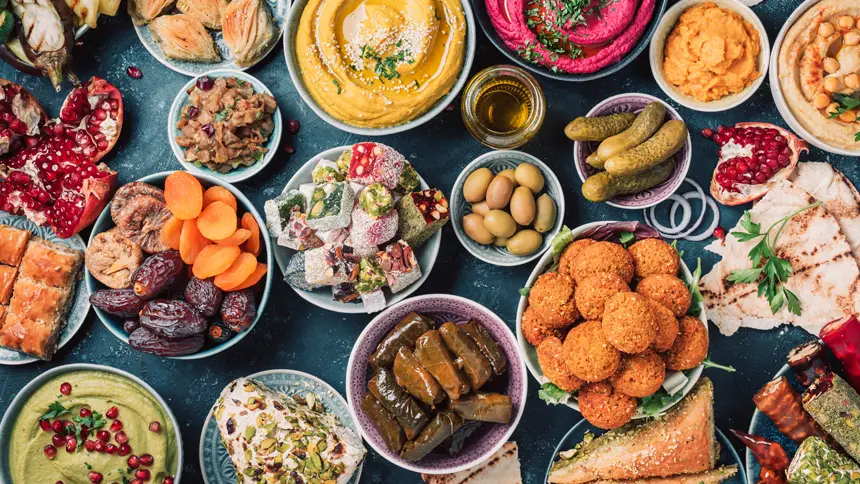
It is not a single dish, but a collection of appetizers served before or alongside the main meal. It can include both hot and cold plates, featuring fresh vegetables, grains, meats, and sauces. The idea is to taste a little of everything, enjoying balance and color on the table.
Typical components
- Hummus: Creamy chickpea dip blended with tahini, garlic, lemon, and olive oil.
- Baba Ghanoush: Roasted eggplant spread with smoky flavor.
- Tabbouleh: A refreshing salad made with parsley, tomato, bulgur, and mint.
- Falafel: Deep-fried balls of ground chickpeas or fava beans.
- Warak Enab: Vine leaves stuffed with rice, herbs, and sometimes meat.
- Labneh: Thick yogurt cheese served with olive oil or za’atar.
Each small plate complements another, forming a complete sensory experience, smooth, crunchy, spicy, and cooling at once.
Cultural Roots
The origins of mezze go back centuries, tracing through Lebanon, Syria, Palestine, Jordan, Turkey, and Greece. Merchants and travelers spread these dishes along ancient trade routes that connected the Arabian Gulf to the Mediterranean.
In the Emirati context, it reflects a spirit of hospitality. Guests are always offered food and drink as a sign of warmth and respect. Serving many small portions allows hosts to show abundance and generosity without overwhelming anyone.
Over time, the UAE adopted and adapted these regional dishes, creating a version that feels both traditional and cosmopolitan. Local ingredients such as dates, camel milk, and Arabian spices sometimes find their way into platters, adding a unique Emirati flavor.
Evolution of Mezze in the UAE
Influence of Migration and Trade
The UAE’s strategic coastal position made it a meeting point for people from Asia, Africa, and Europe. This exchange enriched local cuisine and introduced Levantine cooking techniques.
Restaurants from Beirut, Damascus, and Amman brought their own versions of it, while Emirati chefs learned to adapt them to local preferences, lighter spices, milder textures, and fresher produce from regional farms.
Blending with Emirati Tastes
Traditional Emirati meals often include rice, seafood, and meat dishes like machboos or harees. It fits naturally before these hearty courses. Over the years, chefs began to serve it as both a starter and a main attraction, especially during social events, Ramadan iftars, or Friday brunches.
Popular Dishes in Emirati Dining
Cold Mezze
Cold plates are perfect for the UAE’s warm weather, offering freshness and simplicity.
- Hummus Bi Tahini: Smooth and nutty dip served with warm bread.
- Moutabal: Similar to baba ghanoush but spicier and thicker.
- Fattoush: Mixed vegetable salad topped with crispy pita pieces.
- Labneh with Za’atar: Thick yogurt cheese sprinkled with herbs.
- Muhammara: Roasted red pepper and walnut dip with a hint of sweetness.
Hot Mezze
Hot dishes are comforting and often served in small clay dishes straight from the oven.
- Kibbeh: Fried or baked croquettes of bulgur and minced lamb.
- Sambousek: Pastry pockets filled with cheese or meat.
- Grilled Halloumi: Salty cheese grilled to perfection.
- Arayes: Flatbread stuffed with minced beef or lamb and toasted.
- Batata Harra: Spicy potatoes sautéed with garlic and coriander.
Dining Experience: More Than Just Eating
Mezze in the UAE is not only about taste, it’s a social event. Meals are shared from the center of the table, encouraging conversation and connection. Everyone shares the same dishes, creating a sense of unity and warmth. Meals are eaten slowly, allowing people to savor each bite while engaging in conversation. Hosts often show hospitality by continuously offering more food, and the mix of light and rich dishes ensures balance and satisfaction for everyone at the table. Restaurants often present it on elegant platters with warm bread baskets and olive oil. In local homes, families prepare them for special occasions or when entertaining visitors.
Modern Trends in the UAE
Fusion and Innovation
Dubai and Abu Dhabi’s cosmopolitan dining scenes have inspired creative twists. Chefs combine regional flavors with global techniques:
- Hummus blended with beetroot, avocado, or truffle oil.
- Falafel made with quinoa or black beans.
- Vegan versions use plant-based yogurt or cheese.
- Presentation on tasting menus or tapas-style service.
These changes attract international diners while keeping the cultural essence intact.
Health and Sustainability
Modern consumers in the UAE are increasingly health-conscious. Mezze fits this shift because it emphasizes vegetables, legumes, and olive oil. Restaurants now highlight:
- Locally sourced produce.
- Olive oils from sustainable farms.
- Reduced use of processed ingredients.
- Gluten-free and dairy-free options.
This evolution keeps it both traditional and contemporary.
Mezze and Emirati Celebrations
Ramadan and Eid
During the holy month, families gather each evening for iftar, the meal breaking the fast. It plays a special role here, offering light bites before the main dishes. Hummus, lentil soup, fattoush, and labneh are common starters, helping restore energy gently. During Eid, these platters appear at family gatherings, symbolizing unity and gratitude.
Weddings and Festivals
At weddings, national celebrations, or cultural festivals, these tables provide color and abundance. Guests can enjoy a wide range of items that suit every taste and diet.
Economic and Social Impact
The popularity of mezze has boosted local agriculture, small producers, and hospitality businesses. Farmers supplying olives, herbs, and dairy products benefit from the steady demand. Cafés and restaurants specializing in this style of menu attract residents and visitors alike, creating job opportunities and promoting regional identity through food. Additionally, this culture supports community dining, encouraging social interaction in an age dominated by fast food and individual eating habits.
Preservation of Tradition
Despite modernization, the heart of mezze culture remains respect for ingredients and togetherness. Many Emirati families still prepare homemade versions, using recipes passed down through generations.
Cooking together, arranging dishes beautifully, and sharing with neighbors keeps the tradition alive. Culinary schools and heritage programs also promote this aspect of Middle Eastern gastronomy as part of cultural preservation.
Tips for Enjoying Mezze in the UAE
If you wish to experience it authentically, keep these tips in mind.
- Choose restaurants known for fresh preparation rather than pre-made items.
- Begin with cold mezze, followed by warm dishes.
- Try both classic and modern variations.
- Use bread to scoop rather than a spoon. It’s part of the charm.
- Share with friends or family to appreciate the spirit of community.
Conclusion
Mezze culture in the UAE is more than a dining tradition, it’s a reflection of the nation’s openness, creativity, and love for gathering around food. From small family kitchens to high-end hotels, these colorful dishes express a shared heritage that connects the Arabian Gulf to the wider Mediterranean world.
In every bite, one can taste history, generosity, and unity. It continues to evolve, yet its essence, sharing simple food with warmth and joy, remains unchanged. As the UAE grows more global, mezze stands proudly as a symbol of connection, proving that food has the power to bridge cultures and bring people together at one table.