Weddings in the United Arab Emirates are among the most cherished and vibrant occasions in Emirati society. They are not just personal events but cultural expressions that showcase family honor, community unity, and deep-rooted customs. Every stage, from the engagement to the final ceremony, reflects hospitality, tradition, and pride. Emirati weddings combine elegance, generosity, and spirituality, blending old rituals with modern touches while maintaining the essence of Arabian culture.
The Meaning of Marriage in Emirati Culture
In the UAE, marriage is regarded as a sacred bond that unites not only two individuals but also two families. It represents responsibility, respect, and harmony, serving as a continuation of heritage and the preservation of long-standing values. Through marriage, family ties and social connections are strengthened, fostering stability and respect within the community. Guided by Islamic principles, the union emphasizes commitment, care, love, kindness, and mutual understanding between partners, creating a foundation built on faith and shared values.
Engagement: The Beginning of a Lifelong Journey
Before the wedding, families arrange an engagement known as Al Khetbah. Traditionally, the groom’s family visits the bride’s home to formally ask for her hand in marriage. The event is a moment of joy and anticipation, often marked by prayers and blessings.
Engagement customs
- Families exchange gifts such as perfumes, dates, and jewelry.
- Elders discuss the marriage contract and dowry (Mahr).
- The couple may not meet frequently until after the Nikah (religious ceremony).
- Female relatives play a major role in planning and communication.
The engagement period allows both sides to build relationships and prepare for the grand celebrations to come.
The Dowry (Mahr) and Wedding Preparations
The Mahr is an essential part of Emirati weddings. It is a symbolic gift from the groom to the bride, expressing appreciation and commitment. The amount and form of the dowry depend on the agreement between families and are often presented during the Nikah.
Preparations for the ceremony
- Selecting the date: Often chosen during cooler months or after religious holidays.
- Designing the bridal dress: Usually a luxurious gown decorated with gold or silver embroidery.
- Decorating the home: Families illuminate houses with lights and colorful fabrics.
- Organizing the guest list: Weddings can host hundreds of guests, sometimes in separate halls for men and women.
Preparations can take months, involving detailed planning, from catering to music and décor.
The Henna Night: A Joyful Celebration for Women
The Henna Night (Laylat Al Henna) is one of the most cherished pre-wedding traditions in Emirati culture. Held a few days before the wedding, it is an all-female celebration filled with music, laughter, and joy. The bride’s hands and feet are adorned with intricate henna designs symbolizing beauty and good luck, while women sing and dance to the beat of the Tabla (drum). Dressed in colorful jalabiyas, guests enjoy the fragrant atmosphere of incense and perfume. Beyond celebration, the Henna Night brings women from both families together, creating a joyful bond before the wedding day.
The Wedding Day: A Grand Celebration
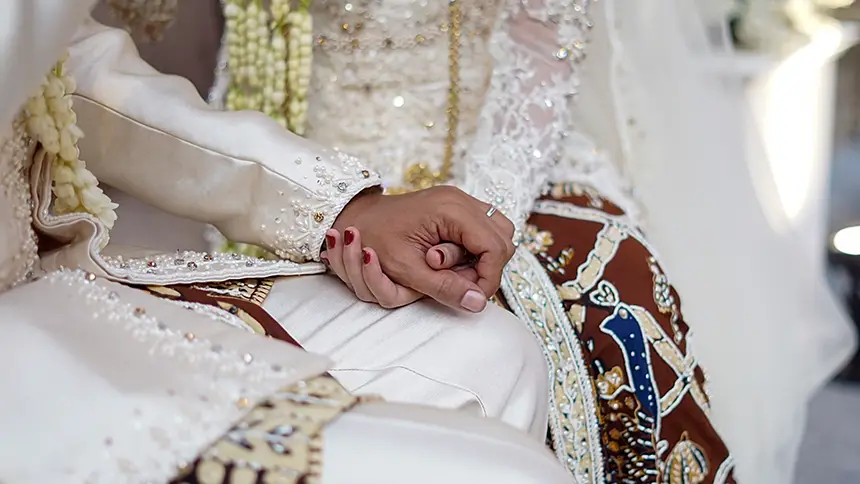
A wedding day in Emirati culture is a grand celebration that beautifully blends tradition with elegance, often held in a lavishly decorated hall or tent that reflects hospitality and unity. Traditionally, men and women celebrate in separate sections or venues, each filled with joy and festivity. The bride makes a graceful entrance, accompanied by music and admiration from the guests, while the groom’s arrival is marked by songs, drums, and cheerful welcomes. At the heart of the event is the Nikah, the religious ceremony performed by an Islamic scholar who recites verses from the Quran and blesses the couple. Modern weddings also include photography and videography to capture every cherished moment. Altogether, the celebration highlights elegance, family pride, and happiness, merging time-honored customs with the glamour of contemporary style.
The Wedding Feast: A Display of Generosity
Food plays an essential role in Emirati weddings. The wedding feast, known for its abundance and hospitality, reflects the Emirati value of treating guests with great respect and kindness.
Common dishes served
- Al Majboos: Rice cooked with meat, saffron, and spices.
- Harees: Wheat and meat slow-cooked into a smooth mixture.
- Luqaimat: Sweet dumplings drizzled with date syrup.
- Ghuzi: Roasted lamb served over rice with nuts and raisins.
- Arabic coffee and dates: Offered as a gesture of warmth and welcome.
Food preparation often involves extended families, emphasizing cooperation and community spirit.
Traditional Music and Dance
Emirati weddings are lively celebrations filled with traditional music and dance that express pride and unity. The famous Ayala, or “stick dance,” features men moving in rhythm with drums, while the Harbiya dance symbolizes joy and victory. Traditional songs honor the couple and strengthen family ties. These performances entertain guests and keep Emirati cultural heritage alive, passing cherished traditions from one generation to another.
Attire and Jewelry: A Blend of Tradition and Style
Clothing holds deep cultural meaning in Emirati weddings. The bride’s attire reflects elegance, faith, and cultural pride.
For the bride
- The gown is often white or gold, richly decorated with embroidery.
- She wears gold jewelry symbolizing wealth and happiness.
- A shayla (headscarf) may be used during religious moments.
For the groom
- The groom wears a white kandura (robe) and a ghutra (head covering).
- He may also wear a bisht (cloak) for a royal touch.
Together, their outfits display dignity, beauty, and tradition while blending with modern design influences.
The Role of Family and Community
Emirati weddings are deeply family-centered celebrations where every member plays an important role, reflecting unity and cooperation. Elders offer blessings, mothers manage the arrangements, and younger relatives help welcome guests. Families plan the ceremonies, host and entertain visitors, guide the couple, and preserve customs through active participation. Community members also join the festivities, highlighting the Emirati spirit of generosity, friendship, and togetherness.
Modern Touches in Emirati Weddings
Although traditional values remain at the heart of weddings, modern influences have added new styles and sophistication. Many celebrations now take place in luxury hotels with the help of professional planners and digital invitations. Contemporary trends include designer dresses, themed décor, live music blending Arabic and global tunes, and destination weddings in scenic UAE locations like Dubai or Ras Al Khaimah. Eco-friendly celebrations are also becoming popular. Yet, even with these changes, Emiratis continue to honor their heritage and cultural identity.
Symbolism of Hospitality
Hospitality lies at the core of Emirati culture, and weddings perfectly express this cherished value. Guests are welcomed with Arabic coffee and dates, offered comfortable seating, and treated to delicious food and warm company. Every detail, from hall décor to thoughtful gifts, shows care and respect. Through such gestures, Emiratis display their generosity, gratitude, and deep-rooted tradition of honoring guests with sincerity and grace.
Conclusion
Emirati weddings are more than beautiful ceremonies, they are reflections of the nation’s soul. Each song, dish, and gesture carries meaning rooted in tradition, faith, and hospitality. These celebrations bring families together, preserve ancient customs, and blend elegance with cultural pride.
Although modern influences have introduced new styles and technologies, the spirit of weddings remains unchanged. They continue to honor love, respect, and unity, the pillars upon which the UAE’s social fabric stands strong.