Food is one of the strongest expressions of culture. It tells stories of people, their history, and the climate they live in. The United Arab Emirates (UAE), known for its desert landscapes, pearl diving past, and modern skyscrapers, also has a long culinary tradition. Among the many dishes that reflect Emirati heritage, bread holds a special place. Khameer and Regag are the bread most loved and deeply connected with Emirati life.
These breads are not only food but also symbols of hospitality, family life, and continuity between past and present. Understanding them means stepping into the kitchens of Emirati homes and appreciating the wisdom of generations.
The Role of Bread in Emirati Culture
Bread in Emirati households is more than a side dish. It is often the basis on which many meals are built. In old times, when ingredients were limited, people relied on wheat and flour as staples. Today, even with supermarkets full of options, traditional breads remain important.
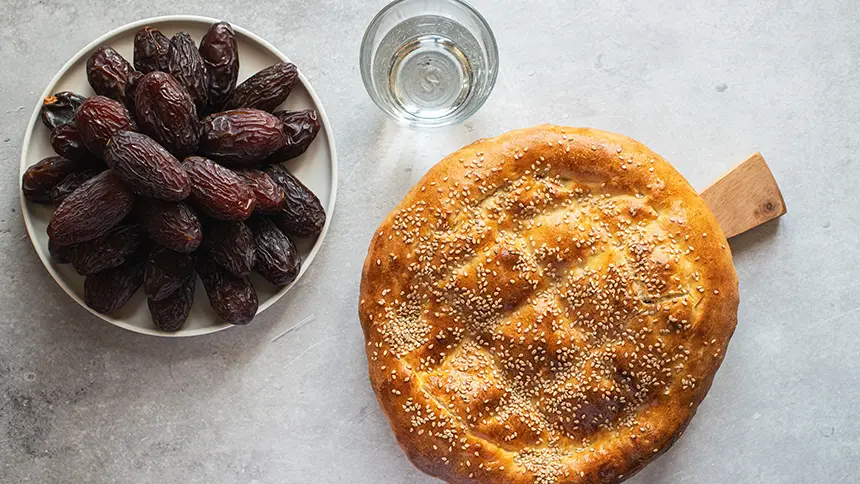
- Symbol of hospitality: Offering fresh bread with dates, honey, or tea shows generosity.
- Daily staple: Bread is eaten for breakfast, with main meals, or as a snack.
- Cultural continuity: Elders often teach younger family members how to prepare them, passing down recipes.
By focusing on Emirati breads, we can see how food preserves history while adapting to modern tastes.
Khameer: The Golden Emirati Bread
What is Khameer?
It is a soft, slightly sweet, round bread. Its name comes from the Arabic word for “yeast” because yeast is a key ingredient. It is golden in colour, fluffy inside, and often flavored with cardamom, saffron, or dates. Traditionally, it was baked on hot stones or in clay ovens, though modern homes use stovetops or ovens.
Ingredients
Typical recipes include:
- Wheat flour
- Yeast
- Sugar or dates (for sweetness)
- Milk or water
- Cardamom and saffron for aroma
- A pinch of salt
- Sometimes sesame seeds for a topping.
Preparation Method
- Mixing: Flour, yeast, sugar, and warm liquid are combined.
- Flavoring: Ground cardamom and saffron threads are added.
- Kneading: Dough is kneaded until smooth and left to rise.
- Shaping: Small balls are rolled into circles.
- Cooking: Traditionally baked on hot plates or stones, today also cooked in ovens.
Why is Khameer Special?
It is considered special for several reasons that go beyond its soft texture and golden appearance. It carries nutritional richness, as ingredients like dates and saffron provide natural sweetness along with vitamins and minerals, making it both healthy and flavorful. It also plays an important festive role, being a common feature during Ramadan, Eid, weddings, and family gatherings, where it symbolizes togetherness and celebration. Another reason for its popularity is its versatility; Khameer pairs beautifully with honey, cheese, date syrup, or even hearty meat stews, making it suitable for both simple breakfasts and elaborate meals. Altogether, this bread represents warmth, comfort, and tradition, which is why it remains one of the most recognized and cherished breads in the region.
Regag: The Thin, Crispy Bread
What is Regag?
It is a thin, paper-like bread, somewhat similar to a crêpe or wafer-thin chapati. Its name comes from the Arabic word for “thin.” This bread is known for its crispiness and is usually cooked on a large flat griddle called a “tawa.”
Ingredients
Regag uses fewer ingredients.
- Flour
- Water
- Salt
Sometimes, a little rice flour is mixed to increase crispness.
Preparation Method
- Mixing: A watery batter is prepared with flour and water.
- Pouring: Batter is spread thinly on the hot griddle.
- Cooking: Within minutes, it turns crispy and light brown.
- Serving: Eaten plain or with toppings such as cheese, honey, or egg.
Why is Regag Special?
It is special because it reflects the simplicity and creativity of Emirati cooking in a unique way. It is quick and light, making it a perfect option for those who want something crisp and easy to enjoy, unlike the heavier Khameer. Regag also carries a distinct street food charm, often prepared fresh in food markets and during Ramadan tents, where its aroma and crunch attract families and visitors alike. What makes it even more appealing is its customizable nature. It can be enjoyed plain, or topped with modern flavors like Nutella, savory options like fish sauce, or traditional favorites such as harees. Altogether, it represents the Emirati ability to create delightful dishes from simple ingredients while keeping them versatile and enjoyable for everyone.
Comparing Khameer and Regag
Although both are traditional Emirati breads, they reflect very different culinary ideas. Khameer is soft, fluffy, and sweet, often spiced with saffron and cardamom, making it festive bread served during family gatherings and celebrations. In contrast, Regag is thin, crispy, and neutral in flavor, usually cooked on a griddle and enjoyed as a quick snack or street food with various toppings. Together, they show how Emirati cuisine adapts to different needs, celebratory occasions on one hand and every day snacking on the other.
The Historical Roots
The historical roots of Emirati bread lie in the desert environment, where limited agriculture meant people relied on dates, fish, goats, camels, and imported grains. Bread became essential since flour could be stored for long periods, and recipes like Khameer and Regag were easy to prepare. Trade routes also played a major role, bringing spices such as saffron, cardamom, and cinnamon from India, Iran, and beyond, which transformed simple bread into an aromatic and luxurious staple.
Modern Adaptations
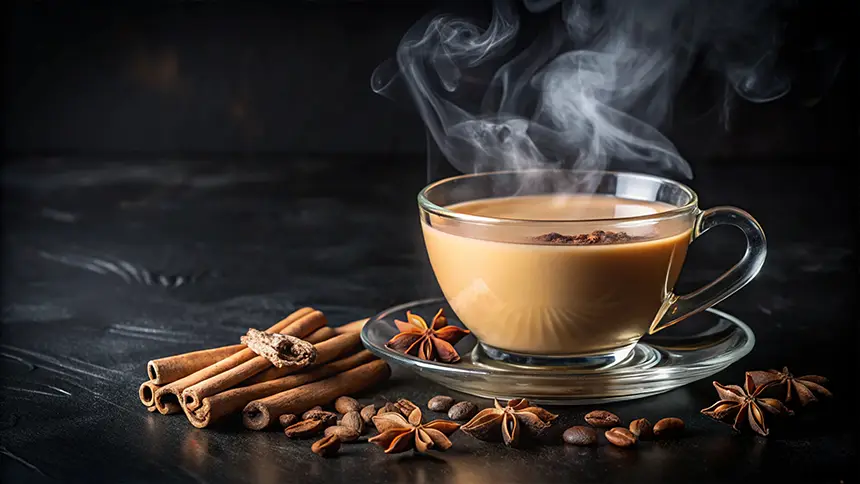
In modern times, Khameer and Regag have adapted beautifully to changing tastes while keeping their traditional essence alive. At home, Khameer is often prepared with whole wheat for a healthier twist, while Regag is enjoyed with modern spreads like Nutella or peanut butter. In restaurants and cafés across Dubai and Abu Dhabi, chefs reinvent these classic breads with gourmet toppings such as truffle cheese or smoked salmon, blending tradition with innovation. During festivals, especially Ramadan, their presence becomes even more prominent. Khameer is commonly served at iftar alongside tea, while Regag stalls remain a favorite attraction in bustling night markets.
Why Emirati Breads Still Matter
Even in today’s globalized world filled with fast food, Khameer and Regag remain important because they connect families to their heritage and the memories of their grandparents’ cooking. They serve as comforting dishes that bring warmth and nostalgia, while also being highly adaptable—pairing well with both traditional and modern flavors. Most importantly, preparing and sharing these breads continues to foster social bonding, keeping Emirati culture alive across generations.
Tips for Enjoying Khameer and Regag
- Eat Khameer warm with honey or soft cheese.
- Try Regag with eggs and hot sauce for a street-style snack.
- Pair both breads with strong Arabic coffee or karak tea.
If visiting the UAE, don’t miss food stalls during Ramadan evenings.
Conclusion
Khameer and Regag are more than just bread. They are living traditions that tell the story of Emirati life. Khameer, soft and golden, carries the flavor of celebrations, warmth, and spices. Regag, thin and crispy, shows the creativity of making simple ingredients into something delightful.
Together, they prove that food is not just about filling the stomach but also about sharing, bonding, and remembering roots. For visitors and locals alike, enjoying these breads is like tasting a piece of Emirati history.