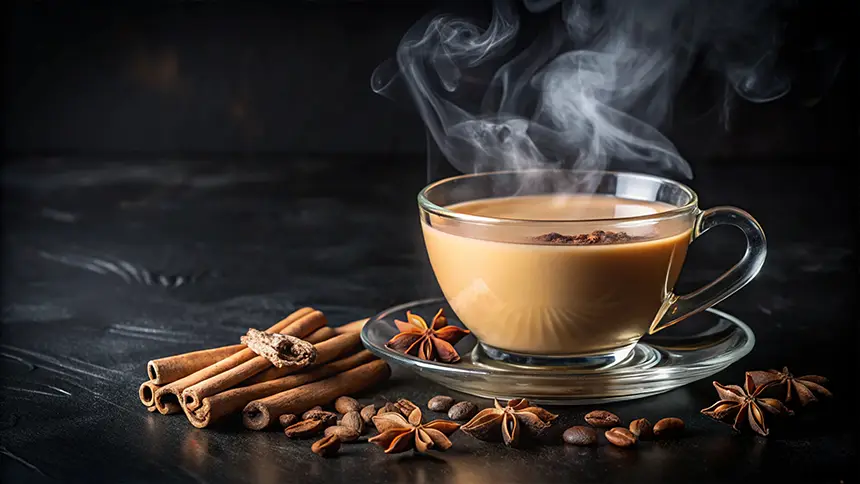
In the bustling streets of the Middle East, South Asia, and beyond, one drink has won the hearts of all generations: Karak Chai. Known for its bold flavor, rich aroma, and comforting warmth, this is more than just a hot beverage. It is a cultural symbol, a daily habit, and for many, a way of life.
Unlike regular tea, this is stronger, creamier, and infused with spices that awaken the senses. It is usually served in small paper cups at roadside stalls, in family kitchens, and in modern cafés. Whether shared among friends late at night or enjoyed on the way to work, it holds a special place in people’s routines.
Origins and History of Karak Chai
The Roots of Tea Culture
Tea has a long history that goes back thousands of years to China, where it was first used as a medicinal drink. From there, tea traveled across continents, carried along trade routes, and became part of many cultures. In South Asia, tea became deeply connected with daily life, and when milk and spices were added, different variations were born.
Birth
The word “Karak” means “strong” in Arabic and Hindi. This is believed to have originated in India during the colonial period, when the British promoted tea drinking in the region. Over time, people began experimenting with flavors, adding milk, sugar, and spices to make the drink richer.
South Asian immigrants introduced Karak Chai to the Gulf countries like the UAE, Qatar, and Oman during the 1960s and 70s. With the growth of cities and diverse populations, it quickly spread and became a drink for everyone—locals, expatriates, and tourists.
Why It Became Popular
- Affordable: Sold at a low price, often just one dirham in the UAE.
- Quick Energy: Strong tea and sugar give an instant boost.
- Social Drink: Enjoyed with friends, family, and colleagues.
- Available Everywhere: From small corner shops to luxury cafés.
How Karak Chai is Made
Key Ingredients
The magic of Karak Chai lies in its simple yet powerful ingredients.
- Tea Leaves: Usually strong black tea such as Assam or Ceylon.
- Milk: Full cream milk is common, but evaporated milk is also used.
- Sugar: Adjusted to taste, often added generously.
- Spices: Cardamom, saffron, cloves, cinnamon, or ginger for a rich flavor.
- Water: The base of the brew.
Preparation
Making this drink is both an art and a tradition. The process begins by adding strong black tea leaves to boiling water, which releases a rich, dark flavor. As the tea brews, spices such as cardamom pods or powdered blends are added, filling the air with a warm and inviting aroma that gives the drink its unique identity.
Next, milk is poured into the boiling mixture, creating a creamy texture, while sugar is added to balance the natural bitterness of the tea leaves. The blend is then left to simmer for several minutes, allowing the flavors to deepen and develop into the bold taste that makes the chai truly “karak.”
Finally, the tea is poured through a strainer into cups, ensuring a smooth consistency. Traditionally, it is served in small glass cups or simple paper cups, making it easy to enjoy whether at home, on the street, or in a café.
Variations of Karak Chai
- Saffron: Luxurious version with saffron threads.
- Ginger: Warmer taste, often enjoyed in winter.
- Masala: Richer mix with multiple spices.
- Cardamom: Light yet aromatic flavor.
Cultural Importance
A Beverage for All People
Karak Chai is loved across different classes and cultures, making it a drink that truly bridges the gap between rich and poor, locals and expatriates. Its universal appeal lies in its affordability, accessibility, and comforting taste, which speaks to people from all walks of life.
For laborers, it serves as a quick and inexpensive refreshment after long hours of work, offering both energy and comfort. Professionals often turn to it as a morning energizer before starting their day or as a way to unwind in the evening after meetings and busy schedules. Tourists, on the other hand, see it as a must-try local experience, something that gives them a taste of authentic everyday culture in the region.
Social Bonding
It is more than just a drink; it is a reason for people to gather and connect. Friends often meet at small tea shops late at night to share stories over a steaming cup, while families enjoy it together after meals as a comforting tradition. Even business people find it a casual yet meaningful setting to discuss deals. In this way, this Chai acts like a social glue, bringing people closer to a warm and relaxed atmosphere.
Karak Chai in the UAE and Gulf
In places like Dubai, Doha, and Muscat, this drink is available on every corner. It has become part of the urban lifestyle. Some cafés specialize only in this Chai, offering creative twists such as iced Karak or Karak with chocolate.
Health Benefits
One of the main benefits of Karak Chai is the natural energy boost it provides. The caffeine in black tea helps people stay awake, focused, and refreshed, making it a popular choice for mornings or long work shifts. Along with this, the spices often added, such as cardamom and ginger, play an important role in aiding digestion and soothing the stomach.
The drink also offers immune support, as ingredients like cinnamon and cloves are rich in antioxidants that help strengthen the body’s defenses. Beyond health, it is valued for its calming qualities. The warm, creamy taste brings comfort and relaxation, making it a perfect stress reliever after a busy day.
However, there are a few potential downsides to consider. The generous use of sugar, common in many recipes, may not be healthy if consumed in excess. Similarly, too much caffeine late at night can affect sleep, so moderation is key to enjoying this flavorful drink while maintaining balance.
Karak Chai in Modern Times
From Street Stalls to Cafés
Once known as a humble drink for workers, it has now entered modern cafés and luxury restaurants. Creative chefs experiment with flavors, adding chocolate, rose, or even ice cream.
Global Popularity
This Chai has crossed borders, appearing in London, New York, and Toronto, especially in areas with South Asian or Middle Eastern communities. It is becoming a trendy drink like bubble tea or Turkish coffee.
A Symbol of Culture
For many expatriates, drinking this Chai is a way of remembering home. For locals, it is a proud part of their cultural identity.
Why People Love Karak Chai
- Strong Flavor: Bolder than regular tea.
- Affordable Price: Fits every budget.
- Easily Available: Found on every street corner.
- Comfort Drink: Warm and soothing.
- Cultural Connection: Represents tradition and community.
Conclusion
Karak Chai is not just a drink, it is an experience, a tradition, and a lifestyle. From its roots in South Asia to its rise in the Gulf and now its presence across the world, it has become a symbol of connection and comfort.
It reminds us of simple joys, sitting with friends late at night, sharing stories, and warming our hands on a steaming cup. It is a drink that welcomes everyone, rich or poor, local or foreigner. This is more than tea. It is a daily companion, a cultural bridge, and a little cup of happiness.